Selecting the Right Plastic Recycling Pelletizer for PP, PE, HDPE, LDPE: A Buyer’s Guide
Introduction
For recycling plant owners, plastic processors, and purchasing managers, investing in a plastic recycling pelletizer (also known as a plastic granulator) is a critical decision. This machine transforms waste plastics—such as PP, PE, HDPE, and LDPE—into uniform pellets that can be reused in manufacturing. The right pelletizer maximizes output, ensures consistent quality, and minimizes downtime. This guide covers key considerations for buyers, including machine selection, output stability, maintenance, energy efficiency, warranty, and supplier service.
Key Plastic Types and Their Processing Requirements
Different polymers require specific processing conditions:
- PP (Polypropylene): High melting point (~160-170°C), good flow properties. Needs precise temperature control to avoid degradation.
- PE (Polyethylene): Includes HDPE and LDPE. HDPE has higher crystallinity and requires stronger cutting force; LDPE is softer but can be sticky. Both need efficient cooling.
- Mixed Waste: Many plants process mixed plastics. A versatile pelletizer with adjustable parameters is essential.
Machine Selection: Key Factors
1. Throughput and Output Stability
Evaluate your daily processing volume. Look for machines with a consistent feeding system and screw design that prevent surging. Features like variable frequency drives (VFD) on the main motor and feeder help maintain stable output. Ask suppliers for test data on specific materials.
2. Pelletizing Method
Common types include:
- Strand Pelletizers: Suitable for most thermoplastics, including PP and PE. Produce uniform pellets but require careful water bath temperature control.
- Underwater Pelletizers: Ideal for high-output lines, especially for sticky materials like LDPE. Offer better pellet shape and less dust.
- Hot Face Pelletizers: Good for heat-sensitive materials. Compact design but may require more maintenance.
3. Energy Efficiency
Energy costs are a major operational expense. Opt for machines with energy-efficient motors (IE3/IE4), insulated barrels, and optimized screw designs that reduce specific energy consumption (kWh per kg). Some suppliers offer heat recovery systems.
Maintenance and Reliability
Regular maintenance prolongs machine life and ensures consistent quality. Key points:
- Wear Parts: Screw and barrel are consumables. Choose suppliers who use hardened alloys (e.g., nitrided steel or bimetallic) for longer life.
- Cutting Chamber: Blades and bed knives should be easily accessible for replacement. Ask about blade material (D2, SKD-11) and hardness.
- Screen Changer: Hydraulic or continuous screen changers reduce downtime. For high-contamination feed, a backflush type is recommended.
- Cooling System: Proper water circulation and temperature control prevent pellet sticking. Ensure easy cleaning of water bath and dryer.
Warranty and Supplier Service
A robust warranty protects your investment. Look for:
- Standard Warranty: Typically 1-2 years on mechanical parts, with exclusions for wear items. Negotiate extended coverage for the screw and barrel.
- Technical Support: 24/7 remote assistance and a local service network. Ask about response times and spare parts availability.
- Training: On-site installation and training included. Ensure operators understand machine settings for different materials.
- After-Sales Service: Check references. Reliable suppliers offer regular maintenance contracts and upgrades.
Practical Buying Advice
- Test Your Material: Before purchasing, send a sample of your waste plastic to the supplier for a trial run. Evaluate pellet quality, output rate, and energy consumption.
- Consider Future Needs: Choose a machine with some capacity headroom (e.g., 20% more than current needs) to accommodate growth.
- Check Certifications: CE, UL, or ISO certifications indicate compliance with safety and quality standards.
- Total Cost of Ownership: Factor in energy, maintenance, and spare parts costs over 5 years. A cheaper machine may have higher operating costs.
Application Scenarios
Scenario 1: Small Recycling Plant – Processes 500 kg/day of mixed PP/PE. A compact strand pelletizer with manual screen changer and basic control panel is cost-effective. Focus on easy cleaning and quick material changeover.
Scenario 2: Large Processor – Handles 5 tons/day of HDPE post-consumer waste. An underwater pelletizer with automated screen changer, VFDs, and PLC control ensures high output and low labor. Energy recovery system reduces costs.
Scenario 3: Specialized LDPE Film Recycling – Sticky film requires a hot feed system and underwater pelletizing. Look for a machine with a crammer feeder and degassing vent to remove volatiles.
Conclusion
Choosing the right plastic recycling pelletizer involves balancing throughput, energy efficiency, maintenance ease, and supplier support. By understanding your material, evaluating machine features, and reviewing warranty and service terms, you can make an informed decision that boosts your recycling operation’s profitability. Always test with your material and seek references from other buyers in your industry.
Product Image Gallery
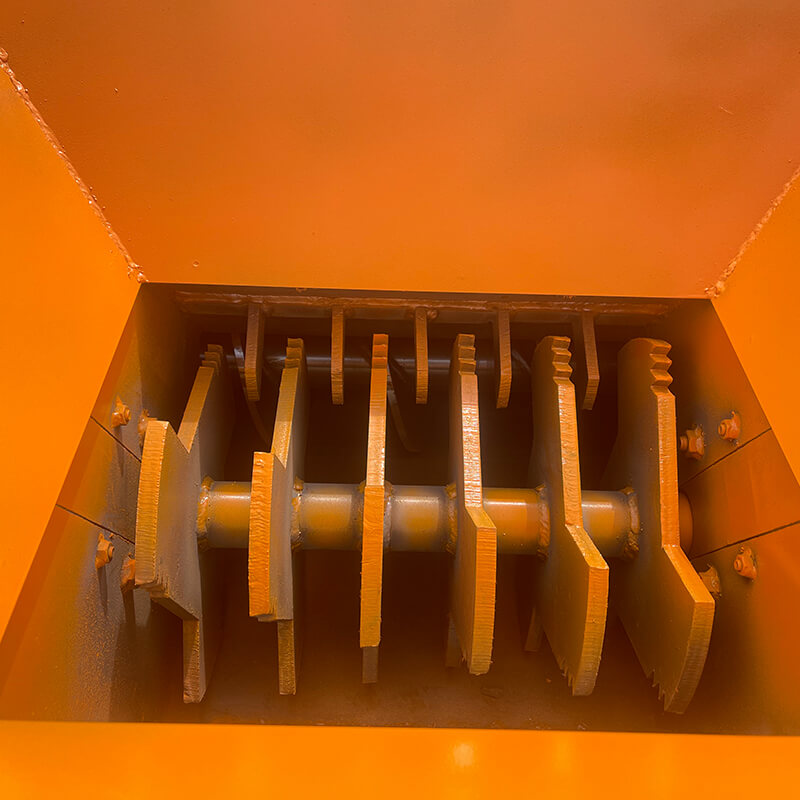
The following images provide additional visual reference for buyers comparing product structure, application value, and equipment details.


Sample Image Gallery