How to Choose the Right Plastic Recycling Pelletizer for PP, PE, HDPE, and LDPE Waste
Introduction
As a B2B buyer in the plastic recycling industry, selecting the right pelletizer (also known as a plastic granulator) is critical for turning waste PP, PE, HDPE, and LDPE into high-quality pellets. This guide covers machine selection, output stability, maintenance, energy efficiency, warranty, and supplier service to help you make an informed investment.
Understanding Your Feedstock
Different plastics require specific machine configurations. For example, PP and HDPE are stiffer and may need higher torque, while LDPE and LLDPE are softer and can be processed at lower temperatures. Ensure the pelletizer you choose can handle mixed waste streams or is tailored to a single polymer type.
Key Machine Selection Criteria
- Throughput Capacity: Match the machine’s hourly output (kg/h) to your incoming waste volume. Overloading leads to instability.
- Screw Design: Single-screw extruders are common for pelletizing; twin-screw offers better mixing for blends.
- Filtration System: Continuous screen changers reduce downtime and ensure pellet purity.
- Pelletizing Method: Strand pelletizing is cost-effective; underwater or hot-cut systems offer better dust control.
Output Stability and Quality
Consistent pellet size and shape are vital for downstream injection molding or extrusion. Look for machines with precise temperature control (PID), stable screw speed, and efficient cooling. Ask suppliers for test reports on bulk density and melt flow index.
Energy Efficiency and Operating Costs
Energy consumption is a major expense. Modern pelletizers with servo motors, insulated barrels, and optimized screw geometry can reduce power usage by 15–30%. Calculate the cost per kilogram of pellets to compare machines.
Maintenance and Durability
Wear parts like screws and barrels should be made of nitrided steel or bimetallic alloys. Easy access to screen packs and cutting chambers simplifies cleaning. A good supplier provides a spare parts list and recommended maintenance schedule.
Warranty and After-Sales Service
Demand a minimum 12-month warranty on the main machine. Check if the supplier offers remote troubleshooting, on-site installation, and training. Reliable after-sales support minimizes downtime and protects your investment.
Application Scenarios
- Recycling Plant: Process post-consumer film waste (LDPE) into pellets for garbage bags.
- Plastic Processor: Convert post-industrial PP scrap into pellets for automotive parts.
- Waste Management: Transform mixed HDPE containers into pellets for piping.
Conclusion
Choosing the right pelletizer involves balancing upfront cost with long-term reliability, energy savings, and service. Prioritize suppliers who understand your specific waste stream and can provide tailored solutions. A well-chosen machine will deliver consistent pellets, lower operating costs, and a strong return on investment.
Product Image Gallery
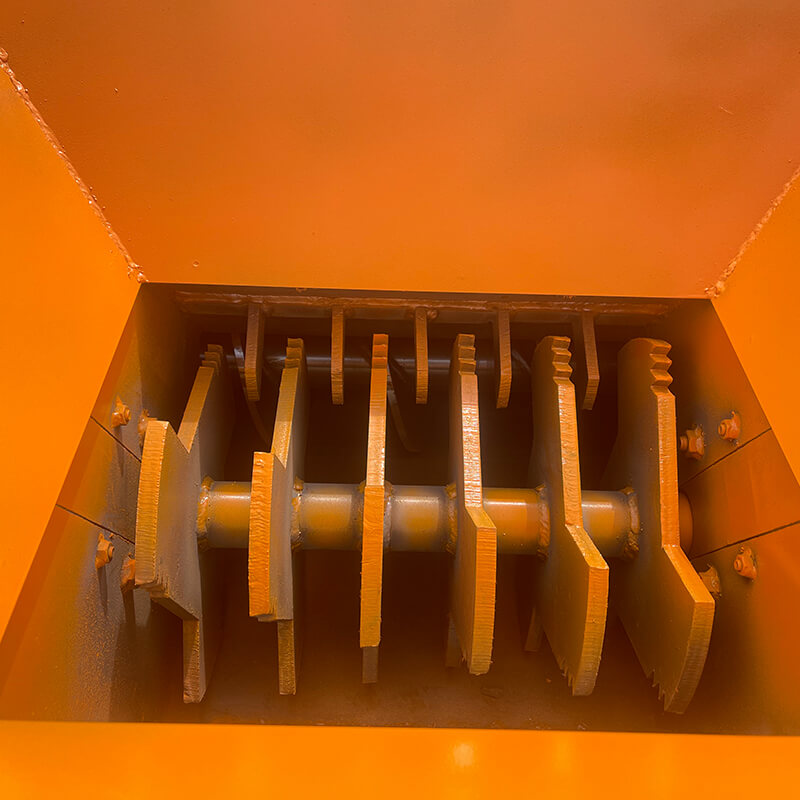
The following images provide additional visual reference for buyers comparing product structure, application value, and equipment details.


Sample Image Gallery