How to Choose the Right Plastic Recycling Pelletizer for PP, PE, HDPE, LDPE Waste
Introduction
As global demand for recycled plastics grows, investing in a high-performance plastic recycling pelletizer (also known as a plastic granulator) is critical for recycling plant owners, plastic processors, and purchasing managers. Whether you are processing PP, PE, HDPE, or LDPE waste, the right machine ensures output stability, energy efficiency, and long-term profitability. This guide covers key selection factors, application scenarios, and supplier considerations for B2B buyers.
Understanding Plastic Pelletizer Types
Pelletizers convert washed and shredded plastic waste into uniform pellets for reuse. Common types include:
- Single-screw pelletizers: Suitable for most polyolefins (PP, PE, HDPE, LDPE). Offer good mixing and stable output.
- Twin-screw pelletizers: Provide better compounding and devolatilization, ideal for heavily contaminated or multi-material waste.
- Underwater pelletizing systems: Produce high-quality pellets with minimal dust, best for clean post-industrial scrap.
For recycling mixed post-consumer waste, a single-screw extruder with a screen changer and degassing vent is often cost-effective.
Key Selection Criteria for PP, PE, HDPE, LDPE
Material Compatibility
Different polymers have distinct melting temperatures and viscosity. A versatile machine should handle a range of 130-280°C. Ensure the screw design and temperature controls can process both flexible LDPE and rigid HDPE without degradation.
Output Stability and Throughput
Stable output is vital for downstream operations. Look for:
- AC or servo-driven motors with precise speed control.
- Consistent feeding system (e.g., crammer feeder or belt conveyor) to avoid surging.
- Throughput range matching your daily processing capacity (e.g., 200-1000 kg/h for small to medium plants).
Energy Efficiency
Electricity is a major operating cost. Inverter-controlled motors, barrel insulation, and optimized screw geometry can reduce energy consumption by 15-30%. Ask suppliers for specific kWh per kg of output.
Maintenance and Durability
Downtime hurts profitability. Prioritize:
- High-quality screw and barrel materials (e.g., nitrided steel or bimetallic for abrasive contaminants).
- Easy-access screen changer (manual or hydraulic) for quick filter changes.
- Self-cleaning features and modular design for fast part replacement.
Application Scenarios
Typical use cases include:
- Post-consumer film recycling: LDPE/LLDPE agricultural or packaging film requires efficient degassing and filtration.
- Rigid container recycling: HDPE bottles and PP crates benefit from robust shredding and pelletizing with minimal fines.
- Mixed waste recycling: For unsorted streams, a pelletizer with a melt filter and devolatilization port is essential to handle contamination.
Supplier Service and Warranty
Choosing a reliable supplier is as important as the machine itself. Evaluate:
- Warranty terms: Typically 1-2 years on mechanical parts, with extended options for screw/barrel.
- Spare parts availability: Local stock or fast shipping to minimize downtime.
- Technical support: On-site installation, training, and remote troubleshooting.
- References: Request case studies from similar recycling operations.
Conclusion
Investing in the right plastic recycling pelletizer for PP, PE, HDPE, and LDPE waste requires balancing material compatibility, output stability, energy savings, and after-sales support. By focusing on these factors, you can achieve consistent pellet quality, lower operating costs, and a strong return on investment. Partner with a supplier who understands your specific application and offers comprehensive service.
Product Image Gallery
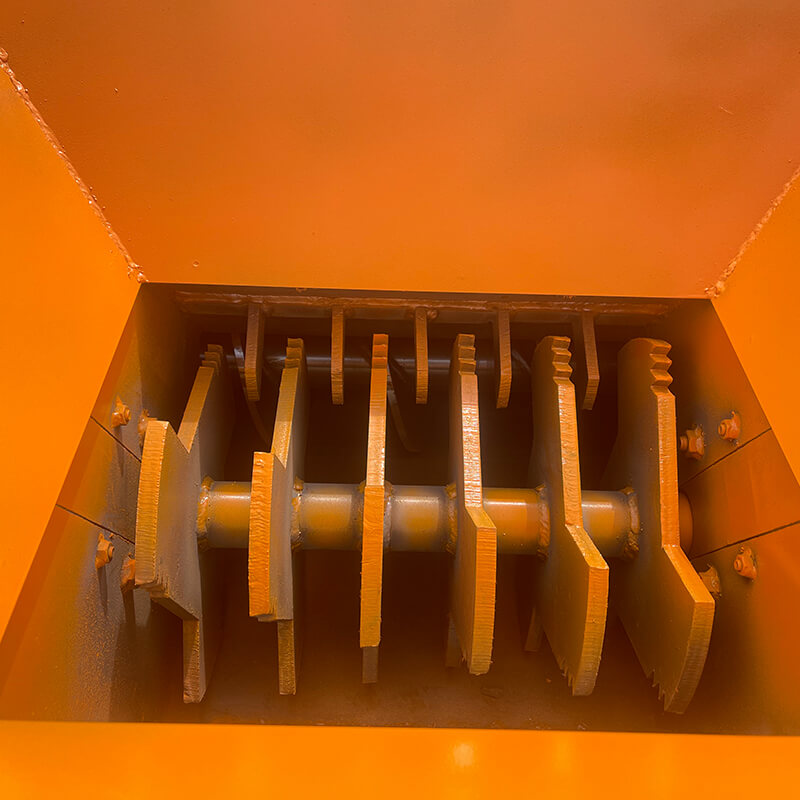
The following images provide additional visual reference for buyers comparing product structure, application value, and equipment details.


Sample Image Gallery