How to Choose a Plastic Recycling Pelletizer for PP, PE, HDPE, LDPE: A Buyer's Guide
Introduction
Investing in a plastic recycling pelletizer (granulator) is a major decision for any recycling plant, plastic processor, or purchasing manager. The right machine can boost output stability, lower energy costs, and ensure consistent pellet quality for PP, PE, HDPE, and LDPE. This guide covers key factors to consider, common application scenarios, and how to evaluate supplier support.
Understanding Your Feedstock
Different plastics require different machine configurations. For example:
- PP (Polypropylene) and HDPE are semi-crystalline and need precise temperature control to avoid degradation.
- LDPE and LLDPE are softer and may require a different screw design and filtration system.
- Mixed waste plastics often demand a robust shredding and washing line before pelletizing.
Identify your primary materials and contamination levels (e.g., paper, labels, metals) to choose the correct screen changer and degassing system.
Key Machine Selection Criteria
Output Stability
Look for a pelletizer with a reliable screw design, efficient motor, and consistent temperature control. Features like AC variable frequency drives and PLC automation help maintain steady throughput even with varying feed quality.
Energy Efficiency
Energy consumption is a major operating cost. Modern machines with energy-saving motors, insulated barrels, and optimized screw geometry can reduce power usage by 15-30% compared to older models. Ask for specific kWh per kg data.
Maintenance & Durability
Choose a machine with easy-access components, hardened steel screws, and replaceable wear parts. A good manufacturer will provide a maintenance schedule and spare parts availability for at least 5 years.
Application Scenarios
- Small to medium recycling plants (200-500 kg/h): Ideal for processing post-consumer film or rigid waste. Look for compact, single-stage pelletizers with manual screen changers.
- Large industrial processors (1-5 t/h): Require heavy-duty machines with automatic screen changers, melt pumps, and pelletizing systems (e.g., underwater or strand).
- In-house waste reprocessing: For plastic processors generating scrap, a dedicated granulator with closed-loop recycling can reduce raw material costs.
Supplier Service & Warranty
Always evaluate the supplier's after-sales support:
- Warranty: At least 12-24 months on mechanical and electrical parts.
- Installation & Training: On-site or remote commissioning and operator training.
- Technical Support: 24/7 availability via phone or video call, especially for overseas buyers.
- Spare Parts: Quick delivery of critical parts like screws, barrels, and screen packs.
Request references and visit existing installations if possible.
Conclusion
Choosing the right plastic recycling pelletizer involves matching machine capabilities to your specific feedstock, output needs, and budget. Prioritize output stability, energy efficiency, and supplier reliability. A well-selected machine will deliver consistent pellet quality and a quick return on investment.
Product Image Gallery
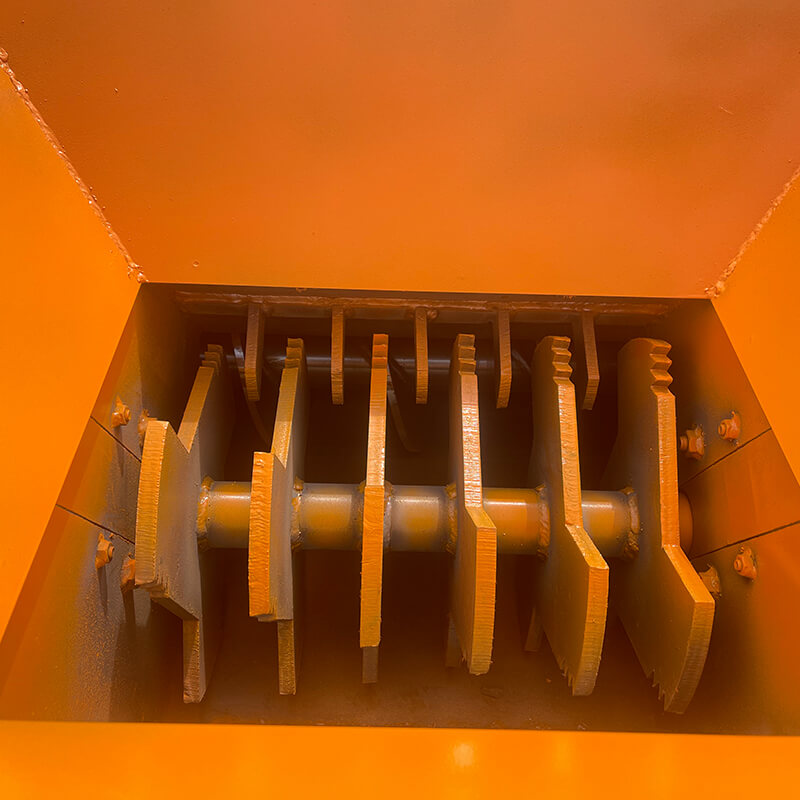
The following images provide additional visual reference for buyers comparing product structure, application value, and equipment details.


Sample Image Gallery