How to Choose a Plastic Recycling Pelletizer for PP, PE, HDPE, LDPE: A Buyer's Guide
Introduction
Investing in a plastic recycling pelletizer is a critical decision for any recycling plant or plastic processing operation. Whether you handle post-consumer or post-industrial waste, the right granulator can significantly impact output quality, operational efficiency, and long-term profitability. This guide provides practical advice for B2B buyers considering a pelletizer for PP, PE, HDPE, or LDPE recycling.
Understanding Your Material
The type of plastic you process dictates machine specifications. PP (polypropylene) and PE (polyethylene) have different melting points and flow characteristics. HDPE is stiffer, while LDPE is more flexible. A versatile pelletizer should handle a range of materials, but dedicated configurations often yield better results. For mixed waste, consider a machine with a robust filtration system to remove contaminants.
Key Machine Selection Criteria
Output Stability
Consistent pellet quality requires stable extrusion. Look for a pelletizer with a reliable screw design, precise temperature control, and a steady feeding system. Variable frequency drives (VFDs) help maintain torque and speed under varying load conditions, reducing downtime and waste.
Energy Efficiency
Electricity is a major operating cost. Modern pelletizers incorporate energy-saving features such as insulated barrels, high-efficiency motors, and optimized screw geometries. Compare specific energy consumption (kWh per kg of output) across models. A slightly higher upfront investment often pays back within months through lower utility bills.
Maintenance and Durability
Easy access to wear parts like screws, barrels, and cutter blades reduces maintenance time. Choose machines with hardened steel components and replaceable liners. Ask suppliers about recommended maintenance schedules and spare parts availability. A good supplier will provide training and documentation.
Application Scenarios
Small to Medium Recycling Plants: Look for compact, all-in-one units that integrate shredding, extrusion, and pelletizing. These are ideal for processing up to 500 kg/h.
Large Industrial Processors: High-capacity lines (1-5 t/h) with automated conveyors, metal detectors, and multiple filtration stages are necessary. Consider water-ring or underwater pelletizing for consistent pellet shape.
In-House Plastic Manufacturers: If you generate scrap in-house, a small granulator with direct feed can immediately reprocess waste, reducing raw material costs.
Warranty and Supplier Service
Reliable after-sales support is crucial. Request a warranty of at least 12 months on the entire machine, with extended coverage for major components like the gearbox and motor. Evaluate the supplier's local service network, response time, and availability of technical support. Ask for references from similar operations.
Conclusion
Selecting the right plastic recycling pelletizer involves balancing material compatibility, output stability, energy efficiency, and long-term support. By focusing on these factors, you can make an informed investment that maximizes your recycling plant's productivity and sustainability.
Product Image Gallery
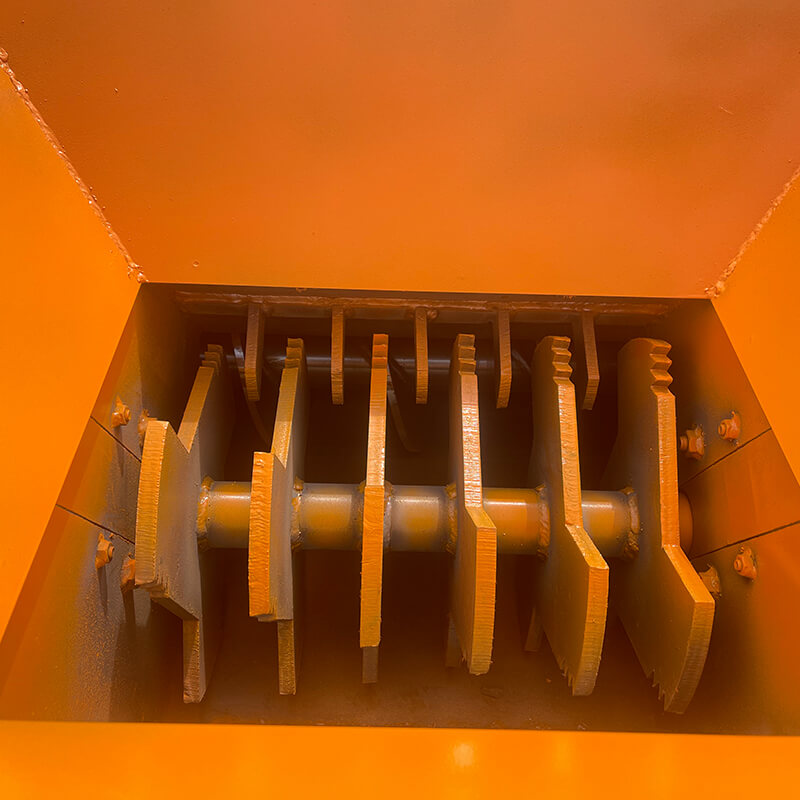
The following images provide additional visual reference for buyers comparing product structure, application value, and equipment details.


Sample Image Gallery