How to Choose a Plastic Recycling Pelletizer: A B2B Buyer’s Guide for PP, PE, HDPE, LDPE
Introduction
For recycling plant owners, plastic processors, and purchasing managers, investing in a plastic recycling pelletizer (also known as a granulator) is a critical decision that impacts output quality, operational costs, and long-term profitability. This guide covers key factors when selecting machinery for PP, PE, HDPE, and LDPE waste recycling, with practical advice on machine selection, output stability, maintenance, energy saving, warranty, and supplier service.
Understanding Your Feedstock and Application
Different plastics require different processing conditions. PP and PE (including HDPE and LDPE) have distinct melting points, flow characteristics, and contamination sensitivities. For example, LDPE films often contain high levels of impurities, while rigid HDPE scrap may require stronger cutting force. A reliable supplier will help you match the pelletizer design to your specific waste stream—whether it's post-consumer film, industrial scrap, or mixed rigid plastics.
Key Machine Selection Criteria
1. Output Stability and Consistency
Stable output is essential for downstream operations. Look for pelletizers with robust screw designs, precise temperature control zones, and consistent feeding systems. Machines with variable frequency drives (VFD) allow you to adjust screw speed to maintain uniform pellet size and prevent overloading. Ask for throughput data under typical operating conditions, not just maximum theoretical capacity.
2. Energy Efficiency
Energy costs are a major expense in recycling. Modern pelletizers incorporate energy-saving features such as high-efficiency motors, insulated barrels, and optimized screw geometries that reduce power consumption per kilogram of output. Request specific energy consumption figures (kWh/kg) and compare across vendors.
3. Maintenance and Durability
Downtime kills profitability. Choose pelletizers with easy-access components, wear-resistant materials (e.g., hardened steel screws and liners), and standardized spare parts. A good supplier will provide a recommended maintenance schedule and training for your team. Also consider the availability of local service support.
4. Warranty and After-Sales Service
A comprehensive warranty (typically 1-2 years) covers defects in materials and workmanship. However, the real value lies in after-sales service: commissioning support, remote troubleshooting, and prompt spare parts delivery. Look for suppliers with a proven track record in your region and positive customer references.
Application Scenarios and Value
Pelletizers are used to convert waste plastic into uniform granules that can be sold or reused in manufacturing. For example, a recycling plant processing post-consumer HDPE bottles can produce high-quality pellets for pipe or blow-molding applications. Similarly, LDPE film scrap can be pelletized for use in film extrusion again. The key is to choose a machine that preserves material properties while removing contaminants.
Investing in a reliable pelletizer reduces production costs, improves product consistency, and opens up new market opportunities. Many buyers report payback periods of 12-18 months when the machine is properly sized and maintained.
Supplier Evaluation Checklist
- Experience: How long has the supplier been manufacturing pelletizers for your target plastics?
- Customization: Can they tailor the machine to your specific feedstock and output requirements?
- Testing: Do they offer trial runs with your material before purchase?
- Documentation: Are manuals, drawings, and electrical diagrams provided?
- Training: Is operator and maintenance training included?
- References: Can they provide contact details of similar installations?
Conclusion
Selecting the right plastic recycling pelletizer is a strategic investment. By focusing on output stability, energy efficiency, maintenance ease, and strong supplier support, you can ensure a reliable and profitable operation. Always evaluate multiple vendors, visit installations if possible, and negotiate a service agreement that protects your long-term interests.
Product Image Gallery
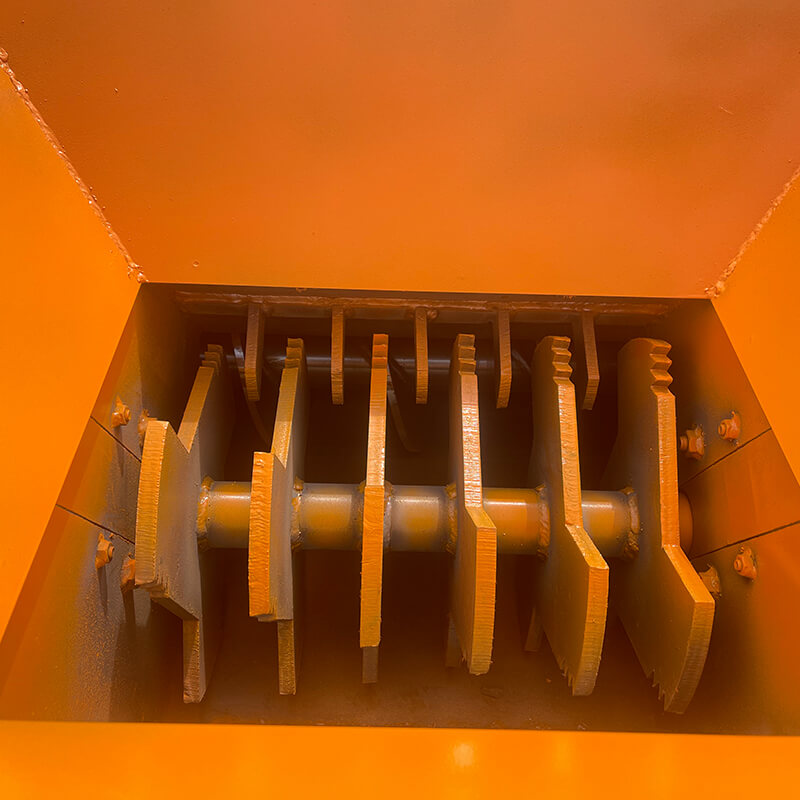
The following images provide additional visual reference for buyers comparing product structure, application value, and equipment details.


Sample Image Gallery