How to Choose a Plastic Recycling Pelletizer for PP, PE, HDPE, LDPE: A Buyer’s Guide
Introduction
Investing in a plastic recycling pelletizer (also called a plastic granulator) is a major decision for recycling plant owners, plastic processors, and purchasing managers. The right machine can dramatically improve output stability, reduce energy consumption, and ensure consistent pellet quality for PP, PE, HDPE, and LDPE. This guide provides practical advice to help you evaluate suppliers, compare technology, and make a cost-effective purchase.
Understanding Your Feedstock
Different plastics require different processing conditions. For example:
- PP (Polypropylene) has a higher melting point and may need a dedicated screw design to prevent degradation.
- PE (Polyethylene), including HDPE and LDPE, is more forgiving but varies in melt flow index. A machine with adjustable temperature zones and screw speed is essential.
- Waste plastic recycling often involves mixed or contaminated materials. Look for pelletizers with efficient filtration systems (e.g., screen changers) to handle impurities.
Key Machine Selection Criteria
Output Stability and Throughput
Stable output is critical for continuous production. Evaluate the pelletizer’s screw design, motor power, and cutter configuration. A well-engineered gearbox and inverter control allow you to adjust speed without sacrificing torque. Ask for real-world throughput data for your specific material—not just theoretical maximums.
Energy Efficiency
Energy costs are a major operational expense. Modern pelletizers use servo motors or variable frequency drives (VFDs) to reduce power consumption by up to 30% compared to traditional fixed-speed motors. Check the specific energy consumption (kWh per kg of pellets) quoted by the supplier.
Maintenance and Wear Parts
Frequent downtime due to wear can erode profitability. Key wear parts include screws, barrels, and cutter blades. Choose machines with:
- Hardened steel or bimetallic screws and barrels for longer life.
- Easy-access cutter chambers for quick blade changes.
- Self-cleaning screen changers to reduce operator intervention.
Warranty and Supplier Service
A robust warranty is a sign of confidence. Look for at least 12 months on electrical components and 24 months on mechanical parts. But warranty terms vary: some suppliers cover only replacement parts, while others include labor and travel. Ask about:
- Response time for technical support (e.g., 24/7 remote assistance).
- Availability of spare parts locally or via express shipping.
- Training programs for your operators—both on-site and online.
Application Scenarios
Consider how the pelletizer fits into your existing line:
- Small recycling plants (100–300 kg/h) benefit from compact, single-stage pelletizers with integrated drying.
- Medium to large processors (500–2000 kg/h) often choose two-stage systems for better degassing and homogenization.
- Processors of post-consumer waste require heavy-duty filtration and aggressive screw designs to handle contamination.
Practical Buying Advice
- Test with your material. Reputable suppliers offer trial runs using your own waste plastic. Insist on seeing actual output quality and throughput.
- Compare total cost of ownership. A cheaper machine may have higher energy consumption and more frequent part replacements. Calculate payback period over 3–5 years.
- Check certifications. CE, UL, or ISO 9001 indicate quality standards. Also verify safety features like emergency stops and thermal overload protection.
Conclusion
Selecting the right plastic recycling pelletizer for PP, PE, HDPE, or LDPE requires balancing technical specs, operational costs, and supplier support. Prioritize output stability, energy efficiency, and easy maintenance. A reliable supplier will help you configure the machine for your specific application and provide long-term service. With careful evaluation, your investment will pay off through consistent pellet quality and reduced downtime.
Product Image Gallery
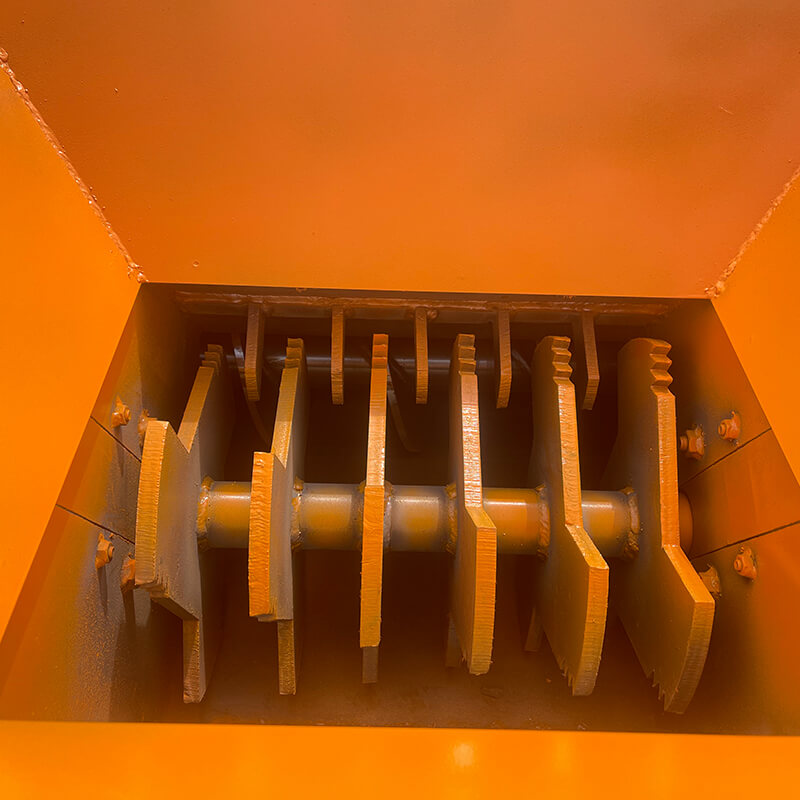
The following images provide additional visual reference for buyers comparing product structure, application value, and equipment details.


Sample Image Gallery