How to Choose a Plastic Recycling Pelletizer for PP, PE, HDPE, and LDPE: A B2B Buyer's Guide
Introduction
Investing in a plastic recycling pelletizer (also known as a plastic granulator) is a critical decision for recycling plant owners, plastic processors, and purchasing managers. The right machine can significantly impact output stability, energy efficiency, and long-term profitability. This guide covers key factors for selecting a pelletizer for PP, PE, HDPE, and LDPE waste, including machine selection, maintenance, warranty, and supplier support.
Understanding the Material: PP, PE, HDPE, and LDPE
Different plastics have distinct melting points, viscosities, and contamination levels. PP (polypropylene) requires higher processing temperatures, while PE (polyethylene) varieties like HDPE and LDPE have lower melting points and different flow characteristics. A versatile pelletizer should handle multiple materials without frequent adjustments.
Key Considerations:
- PP: Higher temperature (220-280°C), prone to degradation if overheated.
- HDPE: Moderate temperature (180-240°C), good flow, low shrinkage.
- LDPE: Lower temperature (160-220°C), flexible, may require gentle screw design.
- Mixed waste: Ensure machine can handle blends and contaminants like labels or adhesives.
Machine Selection: Key Features for Output Stability
Output stability is crucial for consistent pellet quality and production planning. Look for:
- Screw design: Single or twin screw? For simple recycling, single screw is cost-effective; twin screw offers better mixing and degassing for contaminated feed.
- Motor and drive: Variable frequency drive (VFD) allows speed control for different materials, improving energy efficiency and stability.
- Heating and cooling: Multiple heating zones with precise temperature control (±2°C) prevent material degradation. Efficient cooling (e.g., water or air) ensures proper pellet solidification.
- Screen changer: Automatic screen changers minimize downtime for filter changes, maintaining continuous output.
Energy Saving and Maintenance
Energy costs are a major operational expense. Modern pelletizers incorporate energy-saving features:
- High-efficiency motors (IE3/IE4): Reduce power consumption by up to 20%.
- Insulated barrels: Minimize heat loss.
- Regenerative drives: Recover energy during deceleration.
Maintenance should be straightforward: easy-access screens, quick-release couplings, and durable wear parts. Request maintenance schedules and spare parts availability from the supplier.
Warranty and Supplier Service
For B2B buyers, after-sales support is as important as the machine itself. Consider:
- Warranty period: Typically 1-2 years; longer warranties indicate confidence in the equipment.
- Technical support: Remote troubleshooting, installation supervision, and operator training.
- Spare parts: Local or fast international shipping for critical components.
- References: Ask for client testimonials, especially for similar applications (e.g., recycling plant processing post-consumer LDPE film).
Application Scenarios: Choosing the Right Pelletizer
Scenario 1: Large-scale recycling plant processing mixed PE/PP bales
Opt for a heavy-duty single-screw pelletizer with pre-washing system, high torque, and automatic screen changer. Output: 500-1500 kg/h.
Scenario 2: Small to medium processor handling clean industrial scrap (HDPE drums)
A compact single-screw pelletizer with manual screen changer and basic temperature control is sufficient. Output: 100-300 kg/h.
Scenario 3: Processor dealing with contaminated LDPE film (agricultural or post-consumer)
Need a machine with degassing (vacuum vent), filtration system, and robust screw design to handle sticky materials. Output: 200-800 kg/h.
Conclusion
Choosing the right plastic recycling pelletizer requires balancing material characteristics, desired output, energy efficiency, and supplier reliability. Prioritize machines with proven stability, easy maintenance, and strong after-sales support. By evaluating these factors, you can make a sound investment that maximizes ROI over the machine's lifetime.
Product Image Gallery
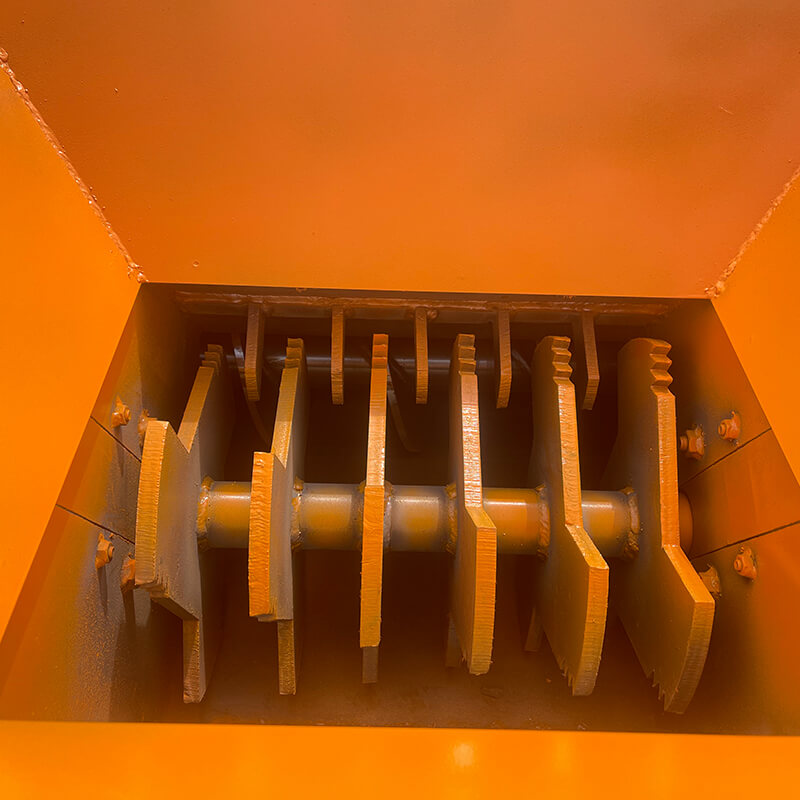
The following images provide additional visual reference for buyers comparing product structure, application value, and equipment details.


Sample Image Gallery