How to Choose the Right Plastic Recycling Pelletizer for PP, PE, HDPE, LDPE Waste
Introduction
As a B2B buyer in the plastic recycling industry, selecting the right pelletizer for processing PP, PE, HDPE, and LDPE waste is critical to your operation's profitability. This guide covers key factors such as machine selection, output stability, maintenance, energy efficiency, warranty, and supplier service to help you make an informed decision.
Understanding Your Material and Application
Different plastics require specific machine configurations. For example, PP (polypropylene) often needs a stronger screw design due to its higher melting point, while LDPE (low-density polyethylene) may require a larger filtration area to handle contaminants. Determine the primary materials you will process—whether post-industrial scrap or post-consumer waste—as this affects machine design and output quality.
Key Machine Selection Criteria
1. Throughput and Output Stability
Choose a pelletizer that matches your desired throughput (kg/h) and can maintain consistent output over long runs. Look for features like PLC control, variable frequency drives, and robust gearboxes. Ask suppliers for test data on output stability with your specific materials.
2. Energy Efficiency
Energy costs are a major operational expense. Inquire about specific energy consumption (kWh per kg of pellets). Machines with servo motors, insulated barrels, and optimized screw designs can reduce energy use by 15-30% compared to standard models.
3. Maintenance and Durability
Easy access to wear parts (screws, barrels, screen changers) minimizes downtime. Look for models with bi-metallic screws and hardened liners for extended life. Automatic screen changers and self-cleaning filters reduce manual intervention.
Warranty and After-Sales Support
A comprehensive warranty (typically 1-2 years) is essential. Evaluate the supplier's local service network, spare parts availability, and technical support response time. Some suppliers offer remote diagnostics and training programs, which are valuable for maintaining production efficiency.
Supplier Service and Reputation
Partner with suppliers who have a proven track record in your region. Request references from similar recycling plants. Check if they provide sample testing, process optimization, and installation supervision. A reliable supplier will help you customize the machine for your specific waste stream.
Conclusion
Investing in the right plastic recycling pelletizer involves balancing upfront cost with long-term operational savings. Prioritize machines that offer high output stability, low energy consumption, easy maintenance, and strong supplier support. By focusing on these factors, you can ensure a profitable and sustainable recycling operation.
Product Image Gallery
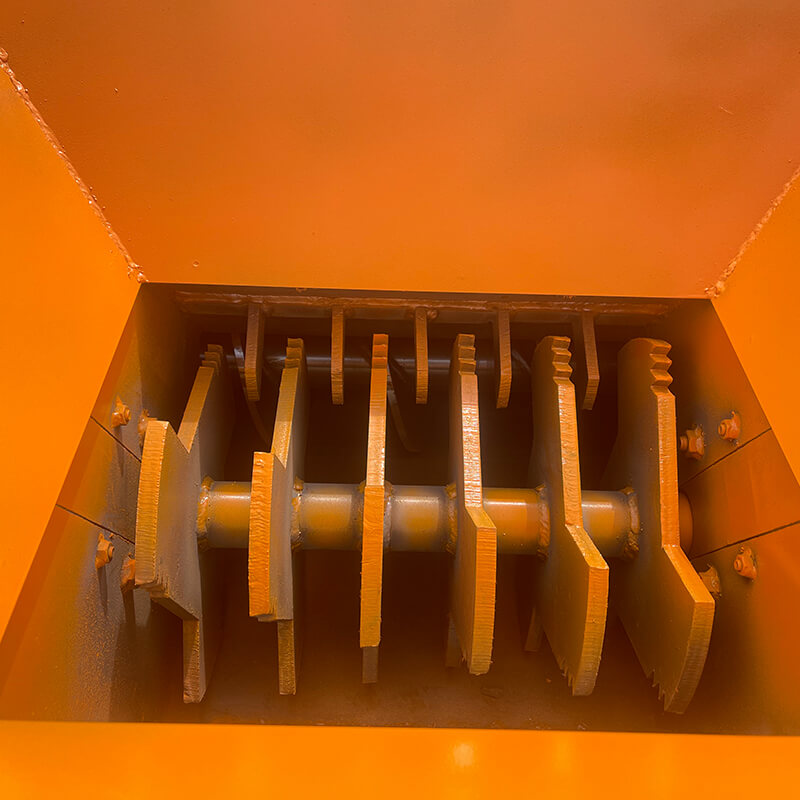
The following images provide additional visual reference for buyers comparing product structure, application value, and equipment details.


Sample Image Gallery