Plastic Pelletizer Buying Guide: How to Choose the Right Granulator for PP, PE, HDPE & LDPE Recycling
Introduction
Investing in a reliable plastic pelletizer is crucial for recycling plant owners processing PP, PE, HDPE, and LDPE waste. This guide helps B2B buyers select the right granulator by focusing on output stability, energy efficiency, maintenance, and supplier support.
What to Look for in a Plastic Pelletizer
A quality pelletizing line turns washed flakes into uniform pellets for reuse in injection molding or extrusion. Key factors include material compatibility, screw and barrel durability, and the ability to handle contaminants. For mixed polyolefin waste, a single-screw extruder with forced feeding works well, while heavily printed or wet film may need vacuum degassing.
Output Stability and Throughput
Consistent pellet size and high uptime depend on a well-designed feeding system, precise temperature controls, and a reliable cutting mechanism. Ask suppliers for real performance data from similar installations. Die-face cutting (underwater pelletizing) often delivers better output stability for high-capacity lines compared to strand systems.
Energy-Saving Features
Energy costs impact bottom lines. Look for IE3/IE4 high-efficiency motors, optimized screw geometries that reduce shear heating, and VFDs that adjust motor speed to load. Some machines recover barrel heat to pre-warm the feed, cutting kWh per ton substantially.
Maintenance and Longevity
Easy access to the cutting chamber, quick-change screen changers, and robust gearboxes minimize downtime. Confirm the availability of consumables (blades, barrels) locally or from the manufacturer, and ask about expected service intervals.
Supplier Service and Warranty
Prioritize suppliers offering at least a 12-month warranty on major components, on-site installation, and training. Reliable after-sales support—including remote diagnostics, video tutorials, and a guaranteed supply of spares for 10+ years—is essential. Request references from similar recycling plants in your region.
Practical Buying Tips
Before purchasing, if possible, visit the supplier’s factory or request a live video tour of a running line. Trial with your own material and analyze pellet quality: roundness, density, and color uniformity. Compare total cost of ownership, not just the initial price, factoring in energy, maintenance, and resale value.
Conclusion
Selecting the right plastic granulator for PP, PE, HDPE, and LDPE recycling involves balancing engineering, operational costs, and vendor support. A well-chosen pelletizer improves output stability, reduces waste, and maximizes profitability for your recycling business.
Product Image Gallery
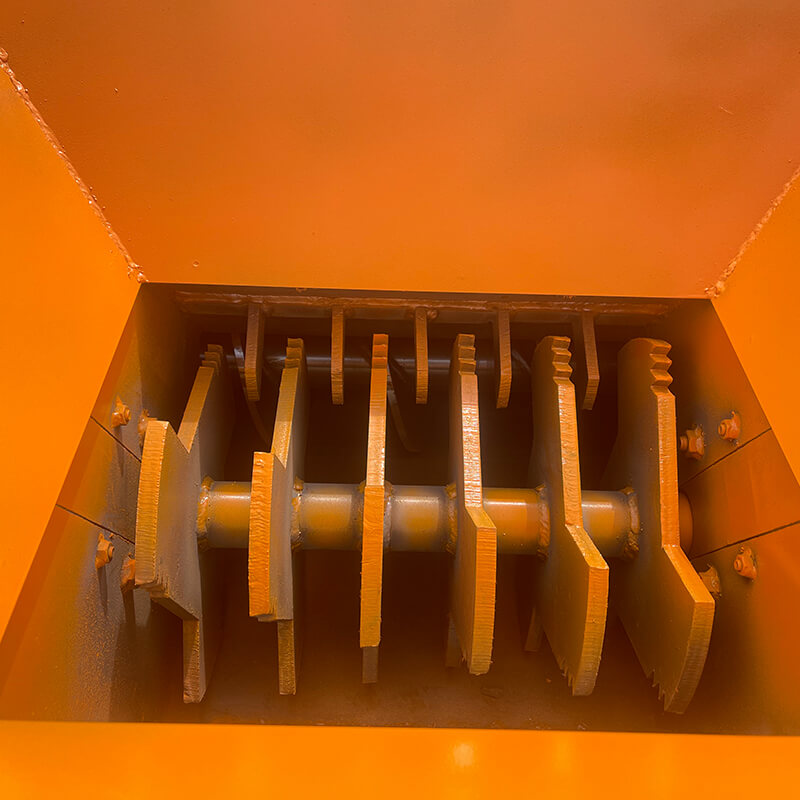
The following images provide additional visual reference for buyers comparing product structure, application value, and equipment details.


Sample Image Gallery