How to Choose the Right Plastic Recycling Pelletizer for PP, PE, HDPE, and LDPE Waste
Introduction
As a B2B buyer in the plastic recycling industry, selecting the right pelletizer or granulator is critical to your operation's efficiency and profitability. Whether you process PP, PE, HDPE, or LDPE waste, the machine you choose directly impacts output quality, energy consumption, and long-term maintenance costs. This guide provides practical advice for recycling plant owners, plastic processors, and purchasing managers on evaluating pelletizers for your specific needs.
Understanding Your Material and Application
Different plastic types require different processing parameters. PP (polypropylene) typically needs higher temperatures and shear, while PE (polyethylene) grades like HDPE and LDPE have lower melting points but vary in viscosity. For mixed waste streams, consider a pelletizer with adjustable screw design and temperature control. Single-screw extruders are common for general recycling, but twin-screw models offer better mixing for contaminated or blended materials. Evaluate your feedstock: clean post-industrial scrap vs. post-consumer waste with impurities will dictate filtration and degassing requirements.
Key Machine Selection Criteria
Output Stability and Consistency
Stable output is essential for downstream processes. Look for machines with robust screw and barrel design, reliable drive motors, and precise temperature control. Features like automatic screen changers (continuous or hydraulic) minimize downtime. Request test runs with your material to verify pellet quality—uniform size, minimal fines, and consistent bulk density.
Energy Efficiency
Energy costs are a major operational expense. Modern pelletizers incorporate energy-saving motors (IE3 or IE4), insulated barrels, and optimized screw geometries. Some models offer variable frequency drives (VFDs) to adjust speed based on load. Compare specific energy consumption (kWh/kg) across suppliers. A slightly higher upfront cost can yield significant savings over years of operation.
Maintenance and Durability
Downtime affects profitability. Choose machines with easy-access components, such as swing-bolt barrel clamps and quick-release screen packs. Stainless steel or bimetallic barrels and screws resist wear from abrasive contaminants. Ask about recommended maintenance intervals and availability of spare parts. A supplier with local service support reduces logistics delays.
Warranty and Supplier Service
Warranty terms vary widely. A standard warranty covers 12–24 months, but some suppliers offer extended options. Ensure the warranty includes key components like the screw, barrel, and gearbox. Beyond warranty, evaluate supplier responsiveness: Do they provide installation supervision, operator training, and remote troubleshooting? A reliable partner helps you optimize settings for different materials and can suggest upgrades as your production scales.
Application Scenarios
For a recycling plant processing mixed PE film (LDPE/LLDPE), a dedicated film pelletizer with a crammer feeder and degassing system is ideal. For rigid HDPE containers, a granulator with a heavy-duty cutting chamber and efficient cooling system works well. If you handle PP woven bags, look for a pelletizer with high shear and efficient filtration. Multi-purpose machines offer flexibility but may compromise on specific material performance.
Conclusion
Investing in a plastic recycling pelletizer is a long-term decision. Focus on output stability, energy efficiency, ease of maintenance, and reliable supplier support. Test machines with your actual waste stream, compare total cost of ownership, and choose a partner who understands your business. The right pelletizer not only processes waste but also adds value to your recycling operation.
Product Image Gallery
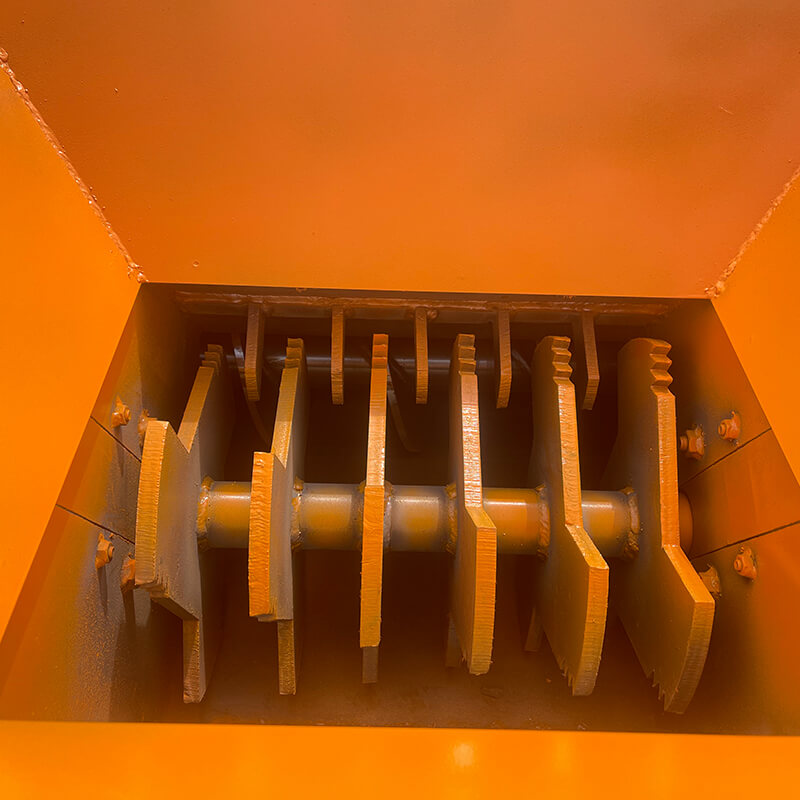
The following images provide additional visual reference for buyers comparing product structure, application value, and equipment details.


Sample Image Gallery