How to Choose the Right Plastic Recycling Pelletizer for PP, PE, HDPE, and LDPE Waste
Introduction
As a B2B buyer in the plastic recycling industry, selecting the right pelletizer—also known as a plastic granulator—is critical to your operation's profitability and efficiency. Whether you process PP, PE, HDPE, or LDPE waste, this guide covers key factors from machine selection to supplier support, helping you make an informed investment.
Understanding Your Material
Different plastics require different processing conditions. For example:
- PP (Polypropylene) has a higher melting point and is prone to oxidation; ensure the pelletizer has effective temperature control and degassing.
- PE (Polyethylene) including HDPE and LDPE flows easily but may require underwater pelletizing to prevent agglomeration.
- Mixed waste demands a robust filtration system to remove contaminants.
Always test your material with the supplier before purchase.
Key Machine Selection Criteria
Output Stability
Look for machines with reliable screw design, consistent heating zones, and stable drive systems. Variable frequency drives (VFD) help maintain throughput even with material variations.
Energy Efficiency
Energy costs are a major operational expense. Choose models with insulated barrels, energy-efficient motors, and optimized screw geometries that reduce power consumption per kilogram of pellets.
Maintenance and Durability
Easy-access screens, durable screw materials (e.g., nitrided steel or bi-metallic), and standardized spare parts reduce downtime. Ask about recommended maintenance schedules and availability of local service.
Pelletizing Systems: Which One Suits You?
- Strand pelletizers – Common for most thermoplastics; require consistent cooling water temperature and careful strand handling.
- Underwater pelletizers – Ideal for tacky materials like LDPE; produce uniform pellets with less dust.
- Hot die face pelletizers – Compact and energy-efficient for high-output lines.
Your choice depends on material, desired pellet shape, and plant layout.
Warranty and Supplier Service
A comprehensive warranty (typically 12-24 months) is a sign of confidence. Beyond warranty, evaluate:
- Technical support availability (remote and on-site)
- Training for your operators
- Spare parts inventory and lead times
- References from similar recycling plants
Reliable suppliers offer process optimization and troubleshooting even after installation.
Application Scenarios
For a recycling plant processing post-consumer PE film, a high-torque single-screw extruder with a melt filter and underwater pelletizer ensures consistent quality. For industrial PP scrap, a vented extruder with strand pelletizing may suffice. Always consider the entire line: shredder, washer, dryer, pelletizer, and storage.
Conclusion
Choosing a plastic recycling pelletizer is a long-term commitment. Prioritize output stability, energy savings, and supplier support over upfront cost. Visit the supplier's facility, request a trial, and verify after-sales service. With the right machine, your recycling business can achieve high-quality pellets and maximum profitability.
Product Image Gallery
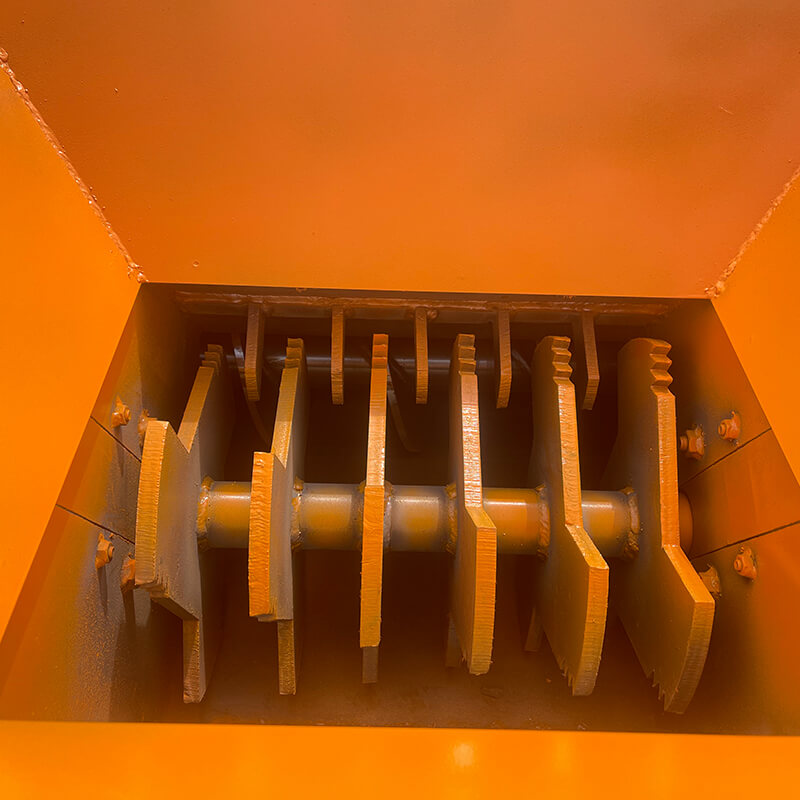
The following images provide additional visual reference for buyers comparing product structure, application value, and equipment details.


Sample Image Gallery