How to Choose a Plastic Recycling Pelletizer for PP, PE, HDPE, LDPE: A Buyer’s Guide for B2B Buyers
Introduction
Investing in a plastic recycling pelletizer (also called a plastic granulator) is a major decision for recycling plant owners, plastic processors, and purchasing managers. The right machine can boost output stability, reduce energy costs, and ensure consistent pellet quality for PP, PE, HDPE, and LDPE waste. This guide provides practical buying advice, covering machine selection, maintenance, energy saving, warranty, and supplier service.
1. Understand Your Material and Output Needs
Different plastics require different pelletizer designs:
- PP (Polypropylene) and HDPE: These have higher melting points and require robust screw design and efficient cooling systems.
- LDPE and LLDPE: Softer and more flexible, they need gentle processing to avoid degradation.
- Mixed waste: If you process multiple types, consider a machine with a variable screw speed and efficient filtration.
Determine your required output per hour (e.g., 200 kg/h, 500 kg/h) and the final pellet size. This directly affects motor power, screw diameter, and die plate design.
2. Key Machine Selection Criteria
- Screw and Barrel Design: Look for bimetallic barrels and hardened screws for durability. A vented barrel helps remove moisture and volatiles.
- Cutting System: Hot die face cutting (underwater or air) is common for consistent pellets. Ensure the cutter blades are easy to replace.
- Filtration System: Continuous screen changers (e.g., hydraulic or automatic) reduce downtime. For dirty waste, a double-piston screen changer is recommended.
- Energy Efficiency: Choose machines with energy-saving motors (IE3 or IE4) and insulated barrels. Some models use variable frequency drives to optimize power consumption.
3. Output Stability and Quality Control
Stable output depends on consistent feeding, temperature control, and screw speed. Features to look for:
- PID temperature controllers with ±1°C accuracy.
- Automatic feeding systems with anti-bridge hoppers.
- Online pellet quality monitoring (e.g., camera or laser systems).
Request test runs with your own material before purchasing. A reputable supplier will provide sample pellets for quality evaluation.
4. Maintenance and Ease of Use
Downtime costs money. Choose a pelletizer designed for quick maintenance:
- Easy access to screw, barrel, and die plate.
- Quick-change screen and cutter blade systems.
- Lubrication points clearly marked and accessible.
Ask about the supplier’s recommended maintenance schedule and spare parts availability. Some offer remote diagnostics via IoT sensors.
5. Energy Saving and Environmental Compliance
Energy costs are a significant operational expense. Look for:
- High-efficiency motors and drives.
- Heat recovery systems that reuse barrel heat for drying or preheating.
- Low noise levels (below 85 dB) for operator safety.
Ensure the machine meets local emission standards for fumes and particulates.
6. Warranty and Supplier Service
A solid warranty protects your investment. Key points:
- Standard warranty: Typically 1-2 years on mechanical parts, longer on motors.
- On-site commissioning and training included.
- Remote support via video calls or online platforms.
- Spare parts available locally or with fast shipping.
Check supplier references and ask for case studies of similar installations. A good supplier will offer customization (e.g., special screw design for your specific waste).
7. Application Scenarios
Plastic recycling pelletizers are used in:
- Post-consumer waste recycling: Bottles, containers, films.
- Industrial scrap recycling: Offcuts, purges, fibers.
- Compounding: Adding fillers, colorants, or additives during pelletizing.
Choose a machine that can handle your specific input form (film, rigid, lumps) and contamination level.
Conclusion
Selecting the right plastic recycling pelletizer requires balancing material characteristics, output requirements, energy efficiency, and supplier support. Prioritize output stability and ease of maintenance. Partner with a supplier who offers comprehensive service and a proven track record. With the right equipment, you can turn waste plastic into high-value pellets for a sustainable future.
Product Image Gallery
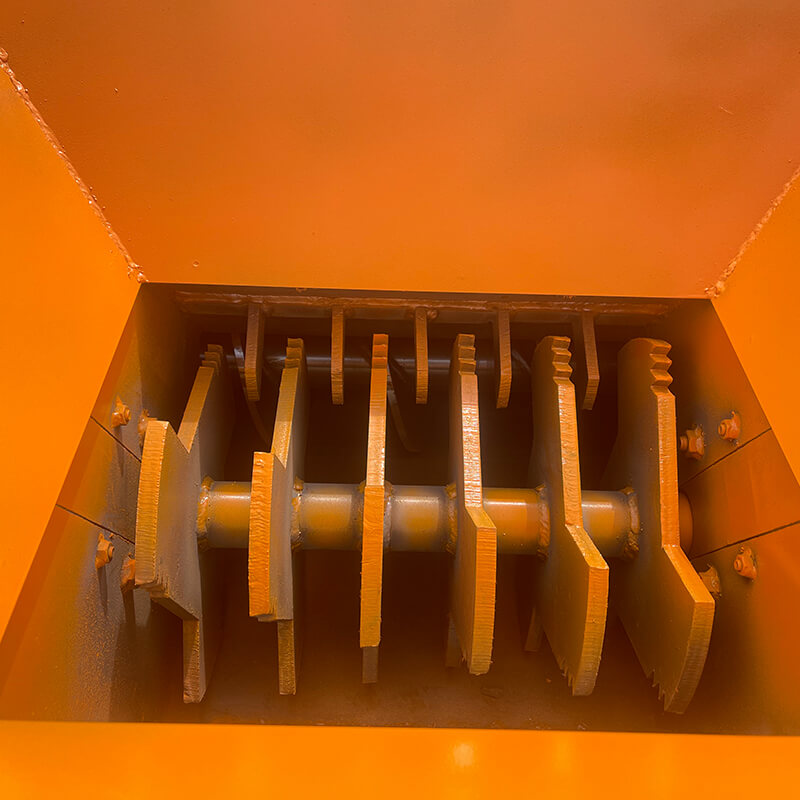
The following images provide additional visual reference for buyers comparing product structure, application value, and equipment details.


Sample Image Gallery