How to Choose a Plastic Recycling Pelletizer for PP, PE, HDPE, LDPE: A B2B Buyer's Guide
Introduction
As a B2B buyer in the plastic recycling industry, selecting the right pelletizer (granulator) is critical for producing high-quality recycled pellets from PP, PE, HDPE, and LDPE waste. This guide covers key factors such as machine selection, output stability, maintenance, energy efficiency, warranty, and supplier service to help you make an informed investment.
Understanding Your Material and Application
Different plastics require specific processing conditions. For example, PP and HDPE have higher melting points than LDPE, so the screw design and temperature control must be tailored. Consider the type of waste (post-consumer, post-industrial, film, rigid) and desired pellet size. A machine that handles multiple materials offers flexibility but may need adjustments.
Key Machine Selection Criteria
1. Screw and Barrel Design
Look for a single-screw or twin-screw configuration based on throughput and mixing needs. For most PP/PE recycling, a single-screw with a vented barrel is cost-effective and efficient. The L/D ratio (typically 28-33) affects plasticization and output quality.
2. Filtration System
Continuous screen changers minimize downtime and maintain stable pressure. For high contamination, a backflush filter is recommended.
3. Pelletizing Method
Hot-cut (water ring) pelletizers are common for PP/PE, producing spherical pellets. Strand pelletizers suit lower throughputs. Ensure the system can handle sticky materials like LDPE without agglomeration.
Output Stability and Energy Efficiency
Stable output depends on consistent feeding, temperature control, and screw speed. Inverters on the main motor allow energy savings of 20-30%. Look for machines with servo-driven feeders and PID temperature controllers. Energy-efficient models often have insulated barrels and optimized gearboxes.
Maintenance and Durability
Easy access to screen changers, cutter blades, and screw elements reduces downtime. Hardened steel barrels and bimetallic screws extend lifespan. Ask about recommended spare parts inventory and local service availability.
Warranty and Supplier Support
A standard warranty of 12-24 months is expected. Evaluate the supplier's technical support: installation supervision, training, and remote diagnostics. Check references for after-sales service response times.
Conclusion
Investing in a pelletizer is a long-term decision. Prioritize machines that offer flexibility, low total cost of ownership, and reliable supplier support. Request a sample test with your material to verify output quality before purchase.
Product Image Gallery
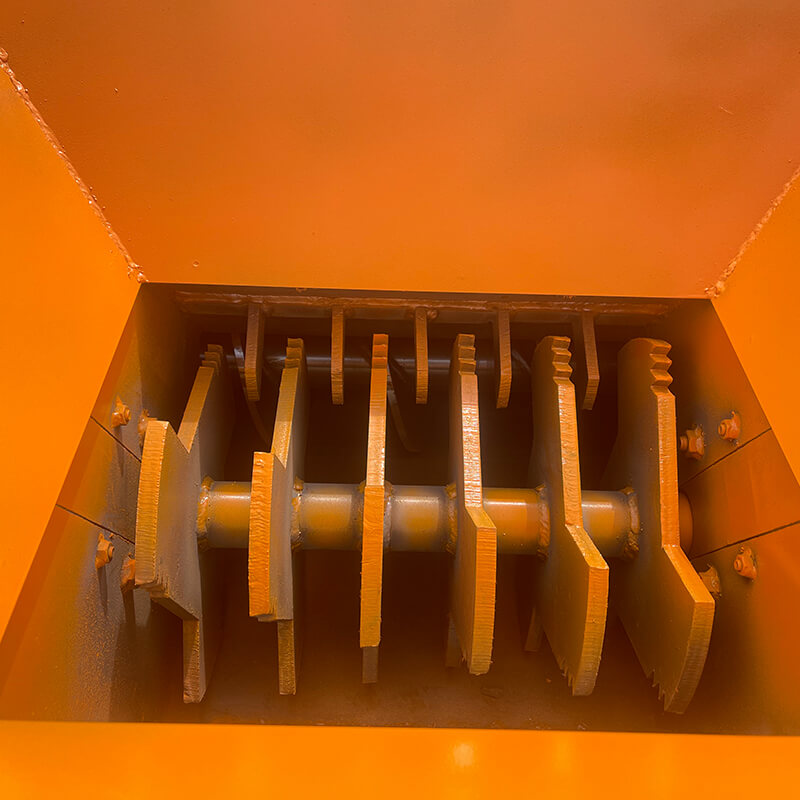
The following images provide additional visual reference for buyers comparing product structure, application value, and equipment details.


Sample Image Gallery