How to Choose a Plastic Recycling Pelletizer for PP, PE, HDPE, LDPE: A B2B Buyer's Guide
Introduction
As the global demand for recycled plastics grows, selecting the right plastic recycling pelletizer (also known as a plastic granulator) is critical for recycling plant owners, plastic processors, and purchasing managers. This guide covers key factors for processing PP, PE, HDPE, and LDPE, focusing on output stability, energy efficiency, maintenance, and supplier support.
Understanding Your Feedstock
Different polymers require specific machine configurations:
- PP (Polypropylene): High melting point, requires robust screw design and efficient cooling.
- PE (Polyethylene) including HDPE and LDPE: Lower melting point, but LDPE can be sticky; ensure proper filtration and venting.
- Mixed waste: Consider a machine with a degassing system to remove volatiles.
Key Machine Selection Criteria
1. Output Stability
Consistent pellet quality depends on:
- Screw design: Barrier screws or mixing elements improve melt homogeneity.
- Temperature control: Multi-zone PID controllers maintain precise temperatures.
- Die face cutting: Hot-cut or underwater pelletizing for uniform pellet size.
2. Energy Efficiency
Look for:
- High-efficiency motors (IE3/IE4): Reduce power consumption.
- Insulated barrels: Minimize heat loss.
- Variable frequency drives (VFDs): Optimize screw speed for different materials.
3. Maintenance and Durability
Downtime costs money. Prioritize:
- Easy-access filtration: Continuous screen changers (e.g., hydraulic or automatic) reduce stoppages.
- Wear-resistant materials: Bimetallic barrels and hardened screws for abrasive contaminants.
- Modular design: Quick-change components simplify servicing.
Application Scenarios
Recycling plant owner: You need high throughput (e.g., 500 kg/h) with minimal operator intervention. Consider a heavy-duty single-screw extruder with automatic screen changer and hot-die pelletizing.
Plastic processor using regrind: You require consistent pellet size and low fines. A strand pelletizing system with water bath and cutter offers better control.
Purchasing manager for a new line: Evaluate total cost of ownership, not just purchase price. Include energy costs, spare parts availability, and warranty terms.
Supplier Service and Warranty
Reliable after-sales support is vital:
- Warranty: Look for at least 12 months on mechanical parts, 24 months on electrical components.
- Spare parts availability: Ensure local stock or fast shipping.
- Technical support: Remote troubleshooting and on-site commissioning.
- Training: Comprehensive training for your operators on maintenance and safety.
Conclusion
Investing in a plastic recycling pelletizer is a long-term decision. By focusing on output stability, energy efficiency, easy maintenance, and strong supplier support, you can maximize ROI and produce high-quality recycled pellets for PP, PE, HDPE, and LDPE. Always request a trial run with your actual waste material before purchase.
Product Image Gallery
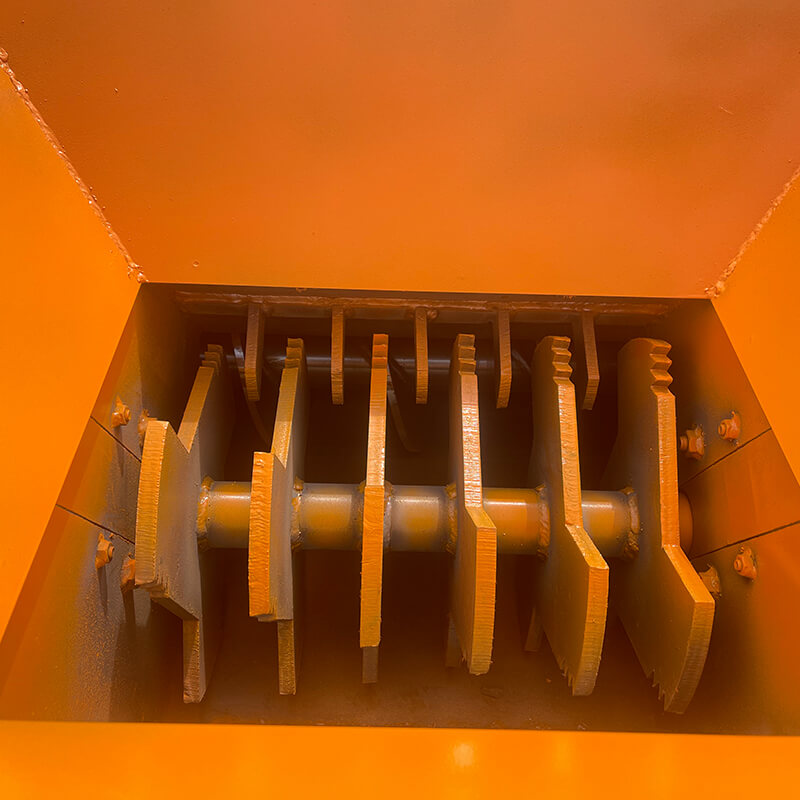
The following images provide additional visual reference for buyers comparing product structure, application value, and equipment details.


Sample Image Gallery