How to Choose a Plastic Recycling Pelletizer for PP, PE, HDPE, LDPE: A B2B Buyer's Guide
Introduction
As a B2B buyer in the plastic recycling industry, selecting the right pelletizer (granulator) is critical to your operation's efficiency, output quality, and long-term profitability. Whether you process PP, PE, HDPE, or LDPE, this guide covers key factors from machine selection to supplier service.
Understanding Your Material and Application
Different plastics require specific machine configurations. For example, PP and HDPE are more rigid and may need stronger cutting forces, while LDPE and film-grade PE require careful feeding and degassing. Consider your typical feedstock: post-consumer bales, industrial scrap, or post-agricultural film. Each has unique contamination levels and bulk density.
Key Machine Selection Criteria
- Throughput Capacity: Match the pelletizer's kg/h output to your washing and drying line capacity. Oversizing wastes energy; undersizing creates bottlenecks.
- Screw and Barrel Design: Look for wear-resistant alloys (e.g., nitrided steel or bimetallic) for processing abrasive contaminants. A vented barrel helps remove moisture and volatiles.
- Cutting System: Hot die face pelletizing is common for most polyolefins. Ensure the cutter blades are durable and easily replaceable. Underwater pelletizing offers better dust control but higher cost.
- Energy Efficiency: Check specific energy consumption (kWh per kg). Machines with servo-driven motors and optimized screw geometry can reduce power use by 15-30%.
Output Stability and Pellet Quality
Consistent pellet size (typically 3-5 mm) is vital for downstream injection molding or extrusion. Look for features like constant melt pressure control, precise temperature zones, and a reliable pelletizing die. Ask suppliers for reference runs with your material to verify output stability.
Maintenance and Downtime Considerations
Easy access to the screw, die, and cutter assembly reduces cleaning and changeover time. Choose a machine with quick-release clamps and modular components. Also, consider the availability of spare parts and technical support from the supplier.
Energy Saving and Environmental Compliance
Modern pelletizers can integrate heat recovery systems and variable frequency drives. In many regions, energy costs are a major operational expense. Ask about the machine's energy label or certified efficiency data. Additionally, ensure the machine meets local emissions standards for noise and exhaust.
Warranty and Supplier Service
A standard warranty is 12-24 months, but some suppliers offer extended coverage. Evaluate the supplier's track record: request customer references, visit their factory (or virtual tour), and confirm they provide on-site commissioning and training. A responsive after-sales team can make or break your project.
Conclusion
Investing in a plastic recycling pelletizer is a long-term decision. By focusing on material compatibility, output stability, maintenance ease, and supplier reliability, you can ensure a high return on investment. Always request a trial run with your own material before purchasing.
Product Image Gallery
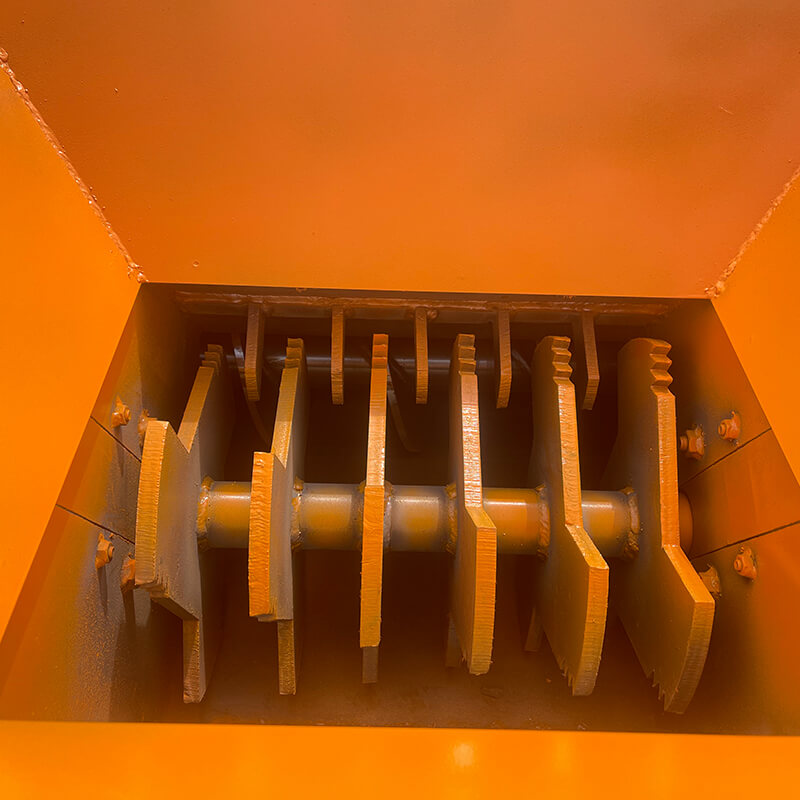
The following images provide additional visual reference for buyers comparing product structure, application value, and equipment details.


Sample Image Gallery