How to Choose the Right Plastic Recycling Pelletizer for PP, PE, HDPE, LDPE Waste
Introduction
Investing in a plastic recycling pelletizer (also known as a plastic granulator) is a critical decision for recycling plant owners, plastic processors, and purchasing managers. The right machine can transform waste PP, PE, HDPE, and LDPE into high-quality pellets, boosting profitability and sustainability. This guide provides practical advice on machine selection, output stability, maintenance, energy efficiency, warranty, and supplier service.
Understanding Your Material
Different plastics require different processing conditions. PP (polypropylene) has a higher melting point than PE (polyethylene), while HDPE and LDPE have distinct flow characteristics. Ensure the pelletizer you choose can handle the specific polymer types you process. Some machines are versatile for mixed plastics, but dedicated setups often yield better pellet quality.
Key Machine Selection Criteria
Output Capacity and Stability
Evaluate your daily waste volume. A machine rated for 500 kg/hour may not run stably at 100% capacity. Look for models with proven throughput and consistent pellet size. Ask the supplier for output stability test data.
Energy Efficiency
Pelletizing consumes significant power. Choose a machine with energy-efficient motors and optimized screw designs. Variable frequency drives (VFDs) can reduce electricity costs by adjusting motor speed to load.
Maintenance and Durability
Key wear parts like screws, barrels, and cutting blades should be made of hardened steel or coated for longevity. Easy access for cleaning and part replacement minimizes downtime.
Application Scenarios
- Post-consumer film recycling: LDPE film requires a pelletizer with strong degassing and filtration to remove contaminants.
- Industrial scrap reprocessing: HDPE and PP scrap from injection molding need consistent feed systems.
- Mixed waste streams: Some pelletizers can handle blends, but sorting is recommended for higher purity.
Supplier Service and Warranty
Reliable after-sales support is essential. Check for: comprehensive warranty (at least 1-2 years), spare parts availability, remote troubleshooting, and on-site installation assistance. A supplier with local service centers can reduce downtime.
Cost vs. Value
Lowest upfront cost often leads to higher operating expenses. Factor in energy consumption, maintenance frequency, and pellet quality. A slightly higher investment in a robust machine can pay off within months through reduced waste and consistent output.
Conclusion
Choosing the right plastic recycling pelletizer requires balancing material type, output needs, energy efficiency, and supplier support. By focusing on these practical aspects, you can make a cost-effective investment that supports long-term recycling operations.
Product Image Gallery
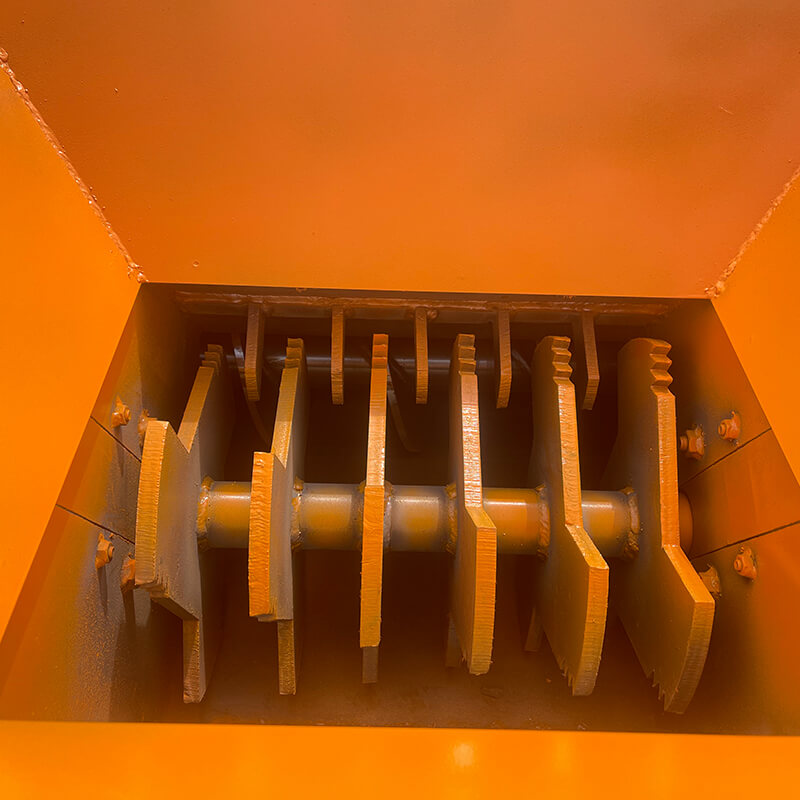
The following images provide additional visual reference for buyers comparing product structure, application value, and equipment details.


Sample Image Gallery