How to Choose the Right Plastic Recycling Pelletizer for PP, PE, HDPE, and LDPE Waste
Understanding Your Plastic Waste Stream
Before investing in a plastic granulator or pelletizer, it's essential to analyze the types of plastic waste you process. PP (polypropylene), PE (polyethylene), HDPE (high-density polyethylene), and LDPE (low-density polyethylene) each have distinct melting points, flow characteristics, and contamination levels. A machine optimized for one material may underperform with another.
Key Machine Selection Criteria
Output Stability and Consistency
For B2B buyers, output stability directly affects production planning and profitability. Look for pelletizers with robust screw designs, precise temperature control, and reliable cutting systems. Machines equipped with variable frequency drives (VFDs) allow you to adjust screw speed according to material type and desired pellet size, ensuring uniform pellets.
Energy Efficiency
Recycling operations run continuously, so energy consumption is a major cost factor. Modern pelletizers incorporate energy-saving motors, optimized barrel insulation, and efficient cooling systems. Ask suppliers for specific kWh per kg of output. A difference of 10-20% in energy efficiency can translate to significant annual savings.
Maintenance and Durability
Downtime is costly. Evaluate the ease of accessing key components like the screw, barrel, die head, and cutter. Machines with hardened steel components and replaceable wear parts extend service life. Look for features like automatic lubrication systems and easy-clean filter changers. A good supplier should provide a clear maintenance schedule and offer spare parts availability within your region.
Warranty and After-Sales Support
A comprehensive warranty is a sign of confidence in the equipment. Standard warranties cover 12-24 months for mechanical parts, but extended options may be negotiable. More importantly, assess the supplier's service network: response time for technical support, availability of on-site commissioning, and training for your operators. Some suppliers offer remote diagnostics via IoT sensors, which can reduce downtime.
Application Scenarios
- In-house recycling: For plastic processors generating their own scrap, a compact pelletizer integrated with the production line can turn waste into valuable feedstock immediately.
- Centralized recycling plants: High-capacity machines (500-2000 kg/h) with automated feeding and pellet handling systems are ideal for processing large volumes of post-consumer or post-industrial waste.
- Custom compounding: If you need to add fillers, colorants, or modifiers, choose a pelletizer with side feeders and multiple heating zones to ensure homogeneous mixing.
Supplier Evaluation Checklist
- Request a test run with your specific plastic waste to verify output quality and throughput.
- Check references from similar businesses in your region.
- Compare total cost of ownership (TCO), not just purchase price.
- Ensure the supplier provides documentation for CE, UL, or other relevant certifications.
- Inquire about financing options and trade-in programs for old equipment.
Conclusion
Selecting the right plastic recycling pelletizer is a strategic decision that impacts your operational efficiency, product quality, and bottom line. Focus on machines that offer output stability, energy savings, and strong after-sales support. By thoroughly evaluating your material requirements and supplier capabilities, you can make a confident investment that drives long-term value.
Product Image Gallery
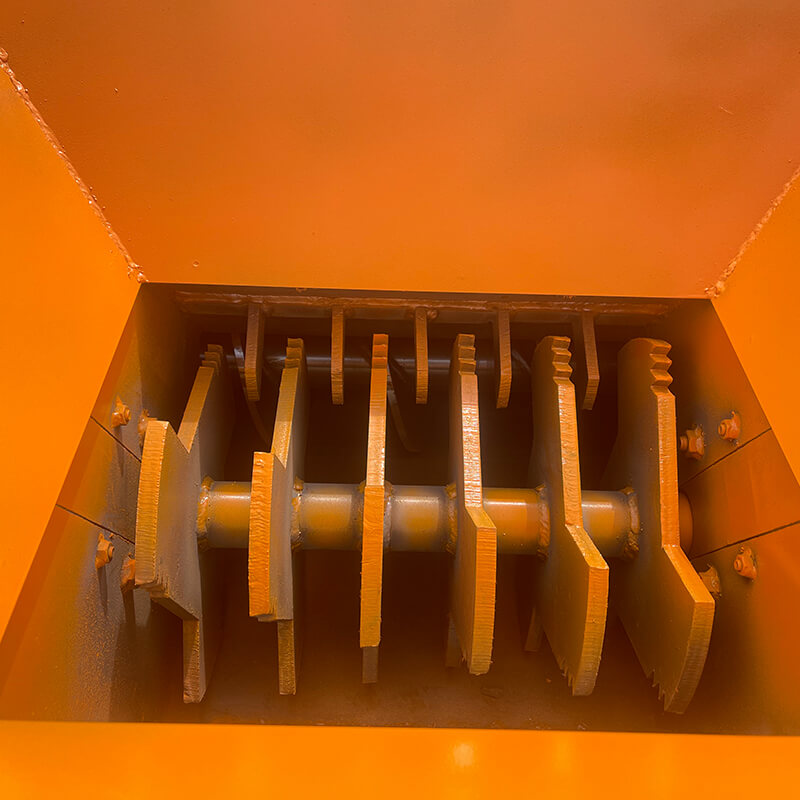
The following images provide additional visual reference for buyers comparing product structure, application value, and equipment details.


Sample Image Gallery