How to Choose a Plastic Recycling Pelletizer for PP, PE, HDPE & LDPE: A B2B Buyer's Guide
Introduction
As a B2B buyer in the plastic recycling industry, selecting the right pelletizer (granulator) is critical to your operation's profitability and efficiency. Whether you process PP, PE, HDPE, or LDPE waste, this guide covers machine selection, output stability, maintenance, energy saving, warranty, and supplier service.
Key Machine Selection Criteria
1. Material Compatibility
Different plastics require specific screw designs and temperature control. For PP, a higher shear screw is often needed, while PE (HDPE/LDPE) benefits from a gentle compression ratio. Ensure the pelletizer can handle mixed waste streams if you process multiple materials.
2. Output Capacity and Stability
Look for machines with a stable output rate (kg/h) and consistent pellet quality. Check the motor power, screw diameter, and die plate design. A reliable pelletizer should maintain output even with fluctuating feedstock quality.
Application Scenarios
- Small Recycling Plants: Compact, single-stage pelletizers with 100-300 kg/h capacity for post-consumer or post-industrial scrap.
- Large Processing Facilities: Two-stage or dual-diameter machines for high throughput (500-2000+ kg/h) and better degassing.
- Specialized Reprocessors: Machines with multiple filtration systems for heavily contaminated waste (e.g., agricultural film, mixed rigid plastics).
Output Stability and Pellet Quality
Stable output minimizes downtime and ensures uniform pellets for end-users. Key factors include: consistent screw speed control, efficient cooling system, and precision die plate. Ask suppliers for real production data and sample pellets from your material.
Maintenance and Energy Saving
Maintenance Tips
- Regularly clean and inspect the screw and barrel for wear.
- Change screen packs based on contamination levels.
- Lubricate bearings and check gearbox oil monthly.
Energy Efficiency
Modern pelletizers use variable frequency drives (VFD) to reduce power consumption by 20-40%. Insulated barrels and energy-efficient heaters also lower operating costs. Compare specific energy consumption (kWh/kg) between models.
Warranty and Supplier Service
Reputable suppliers offer at least 12-24 months warranty on mechanical parts. Look for: remote troubleshooting, spare parts availability, and installation/commissioning support. A supplier with local agents or service centers reduces long-term risk.
Conclusion
Choosing the right plastic recycling pelletizer requires balancing material needs, capacity, stability, maintenance, energy costs, and after-sales support. Evaluate multiple suppliers, request a factory test, and compare total cost of ownership. A well-selected machine will maximize your ROI and produce high-quality pellets for the market.
Product Image Gallery
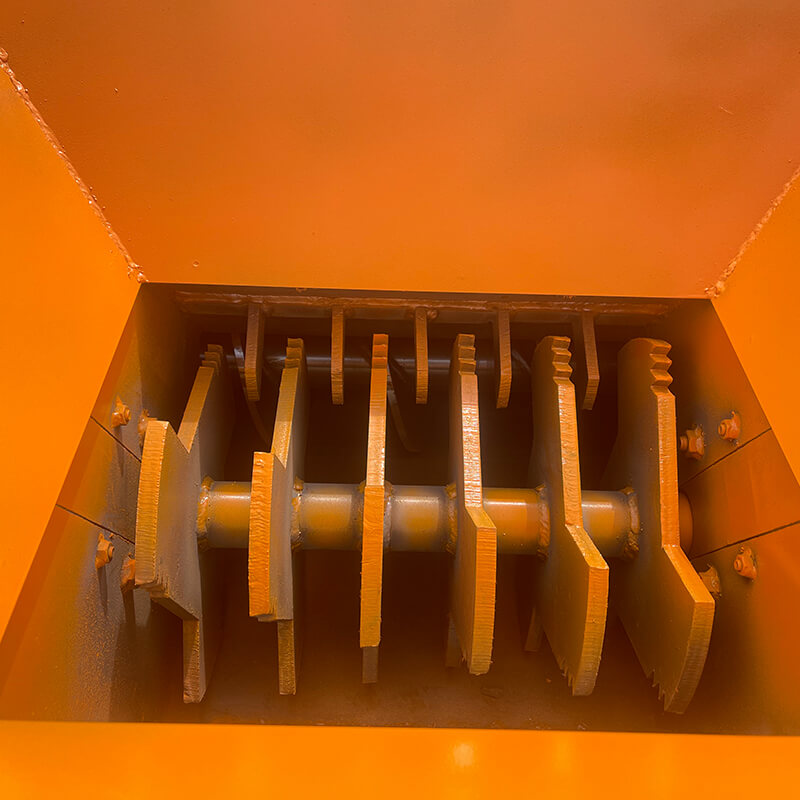
The following images provide additional visual reference for buyers comparing product structure, application value, and equipment details.


Sample Image Gallery