How to Choose a Plastic Recycling Pelletizer for PP, PE, HDPE, LDPE: A Buyer's Guide for Stable Output and Energy Saving
Introduction
As a B2B buyer in the plastic recycling industry, selecting the right pelletizer or granulator is critical to your plant's profitability and operational efficiency. Whether you process PP, PE, HDPE, or LDPE, the machine you choose directly impacts output quality, energy consumption, and long-term maintenance costs. This guide provides practical advice for purchasing managers and plant owners evaluating pelletizing solutions.
Understanding Your Material and Application
Different polymers have distinct melting points, melt flow indexes, and contamination levels. For example, PP requires higher processing temperatures (160-200°C) compared to LDPE (130-160°C). A machine designed for mixed waste streams must handle varying viscosities without frequent blockages. Ensure the pelletizer's screw design and motor torque match your typical feedstock. For heavily contaminated post-consumer waste, consider a machine with a high-torque gearbox and wear-resistant barrel lining.
Key Factors for Stable Output
Output stability is non-negotiable for continuous production. Look for features like:
- Automatic temperature control with PID regulators to minimize fluctuation.
- Consistent pellet cutting system (e.g., strand pelletizer vs. underwater pelletizer) that matches your material and production speed.
- Reliable feeding mechanism to prevent bridging or surging. A crammer feeder or forced feeder is recommended for low-bulk-density materials like film.
- Robust die plate design with proper heating to avoid freeze-offs.
Energy Efficiency and Operating Costs
Energy savings directly affect your bottom line. Modern pelletizers incorporate:
- Variable frequency drives (VFDs) on the main motor and auxiliary equipment to adjust power consumption based on load.
- Insulated barrels to reduce heat loss.
- Energy-efficient heating elements (e.g., ceramic or induction heaters) that can lower electricity use by up to 30% compared to traditional resistance heaters.
- Optimized screw geometry to minimize shear heat and reduce cooling requirements.
Maintenance and Durability
Minimizing downtime is crucial. Prioritize machines with:
- Easy-access filter screens and quick-change die plates.
- Hardened screw and barrel (e.g., bimetallic or nitrided) for longer life when processing abrasive contaminants.
- Centralized lubrication system for bearings and seals.
- Clear maintenance schedules and readily available spare parts from the supplier.
Warranty and Supplier Support
Your supplier's service can make or break your investment. Evaluate:
- Warranty coverage on mechanical and electrical components (typically 1-2 years, but some offer extended options).
- On-site commissioning and training for your operators.
- Remote troubleshooting and availability of local service engineers.
- Spare parts inventory and lead times.
- References from other recycling plants with similar applications.
Application Scenarios
Consider the following typical setups:
- Post-consumer film recycling (LDPE/LLDPE): Requires a pelletizer with a degassing zone to remove volatiles and a screen changer for continuous filtration.
- Mixed rigid plastics (PP/HDPE): A heavy-duty granulator combined with a strand pelletizer can handle thick-walled containers and drums.
- Washing line integration: Ensure the pelletizer can accept wet feedstock (e.g., with a vented barrel) to avoid pre-drying.
Conclusion
Choosing the right plastic recycling pelletizer involves balancing output stability, energy efficiency, maintenance ease, and supplier support. By matching the machine's design to your specific material and production goals, you can achieve higher profitability and a faster return on investment. Always request a technical proposal and, if possible, a test run with your own material before finalizing a purchase.
Product Image Gallery
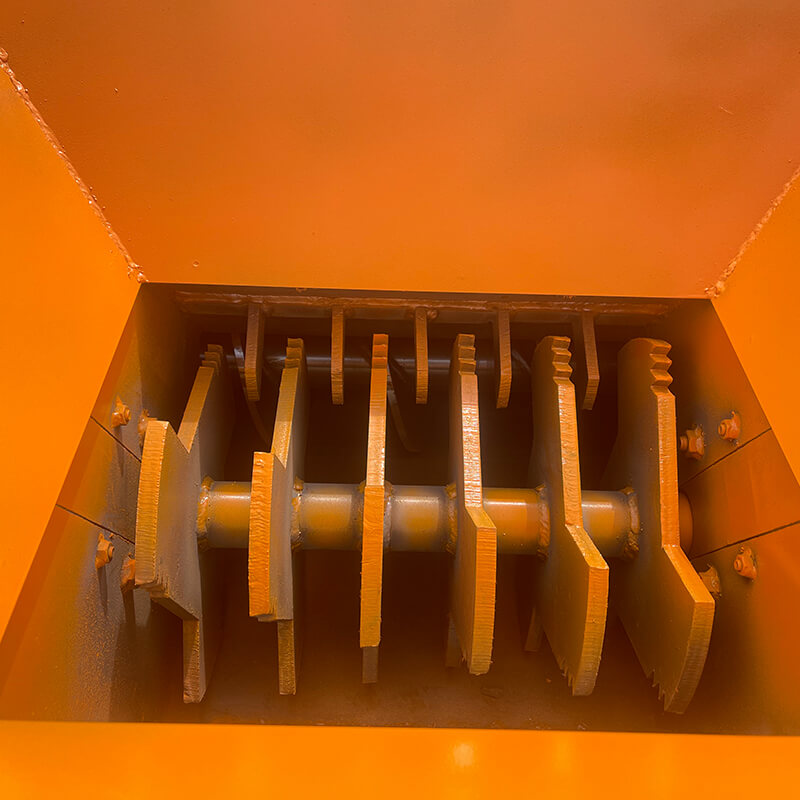
The following images provide additional visual reference for buyers comparing product structure, application value, and equipment details.


Sample Image Gallery