How to Choose the Right Plastic Recycling Pelletizer for PP, PE, HDPE, and LDPE Waste
Introduction
As a B2B buyer in the plastic recycling industry, selecting the right pelletizer (granulator) is critical to your operation's profitability and efficiency. Whether you process PP, PE, HDPE, or LDPE waste, the machine you choose directly impacts output quality, energy consumption, and maintenance costs. This guide provides practical advice for recycling plant owners, plastic processors, and purchasing managers to make an informed investment.
Key Considerations for Pelletizer Selection
Material Type and Compatibility
Different plastics require specific screw designs, temperature profiles, and filtration systems. For example, PP has a higher melting point than PE, while LDPE is more flexible. Ensure the pelletizer is designed to handle your target materials. Some machines offer interchangeable screws or adjustable settings to process multiple polymers.
Output Capacity and Stability
Define your required throughput (kg/h) based on daily waste volume. Look for machines with stable output, minimal fluctuations, and consistent pellet quality. Features like variable frequency drives (VFDs) and PLC control help maintain steady production.
Energy Efficiency
Energy costs are a major operational expense. Modern pelletizers with servo motors, insulated barrels, and optimized screw geometries can reduce power consumption by 20-30%. Request energy consumption data from suppliers.
Machine Components and Quality
Screw and Barrel Design
A well-designed screw ensures proper melting, mixing, and degassing. For recycled materials, consider a barrier screw or a screw with mixing elements to handle contaminants. The barrel should be made of wear-resistant alloys (e.g., bimetallic) for longevity.
Filtration System
Continuous screen changers or backflush filters are essential for processing dirty waste. They reduce downtime and maintain pellet quality. Evaluate the filter area and screen mesh options based on your feedstock contamination level.
Pelletizing Unit
Choose between strand pelletizers (for clean, uniform pellets) and underwater pelletizers (for high output and reduced dust). For recycling, strand pelletizers are common due to lower cost and easier maintenance.
Maintenance and After-Sales Support
Regular maintenance extends machine life. Key points:
- Easy access to screw, barrel, and die head for cleaning and inspection.
- Spare parts availability – ensure the supplier stocks critical components like screws, barrels, and screens.
- Warranty – a standard 1-2 year warranty is expected. Extended warranties or service contracts may be beneficial.
- Technical support – remote troubleshooting and on-site installation assistance.
Supplier Evaluation Criteria
When comparing suppliers, consider:
- Experience with recycling applications and your specific polymers.
- References from similar plants – request case studies or plant visits.
- Customization capabilities – can they adapt the machine to your space or power constraints?
- Training provided for your operators.
Application Scenarios
Small to Medium Recycling Plants
For plants processing 200-500 kg/h, a single-screw strand pelletizer with manual screen changer is cost-effective. Prioritize reliability and easy maintenance.
Large Industrial Processors
For throughput above 1,000 kg/h, consider twin-screw extruders or underwater pelletizers for higher output and automation. Invest in continuous screen changers and PLC control.
Mixed Waste Streams
If you handle both rigid (HDPE) and film (LDPE), a machine with dual feeding systems or a versatile screw design can reduce equipment duplication.
Conclusion
Choosing the right plastic recycling pelletizer is a long-term investment. Focus on material compatibility, output stability, energy efficiency, and supplier support. Request detailed proposals, visit operating plants if possible, and negotiate a service agreement. A well-selected machine will maximize your return on investment and contribute to sustainable plastic recycling.
Product Image Gallery
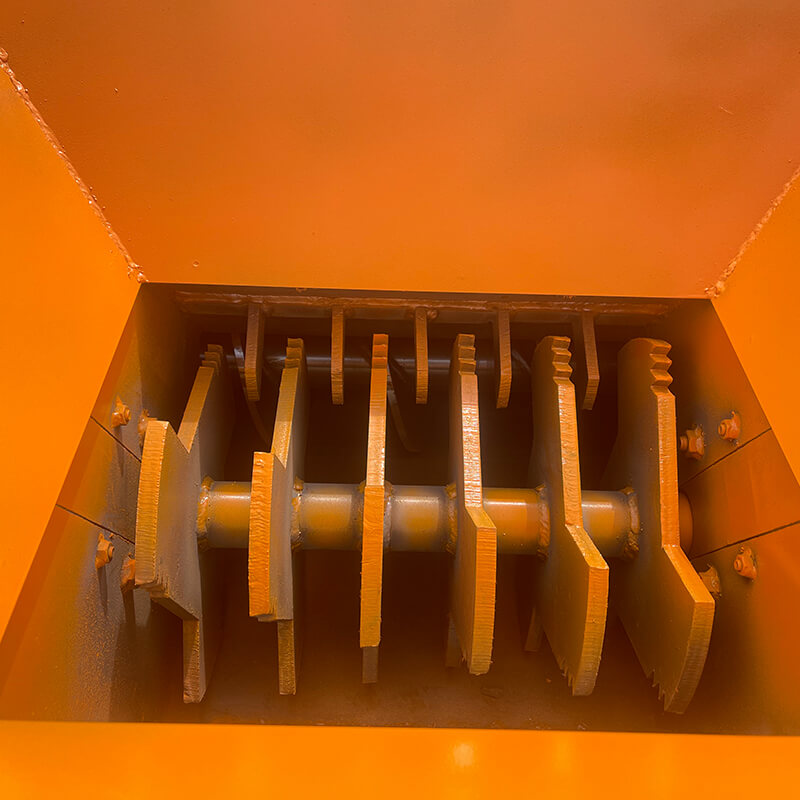
The following images provide additional visual reference for buyers comparing product structure, application value, and equipment details.


Sample Image Gallery