How to Choose a Plastic Recycling Pelletizer for PP, PE, HDPE, LDPE: A B2B Buyer's Guide
Introduction
For recycling plant owners, plastic processors, and purchasing managers, selecting the right plastic recycling pelletizer (also known as a plastic granulator) is a critical investment. This machine transforms waste PP, PE, HDPE, LDPE into high-quality pellets that can be sold or reused. This guide covers key factors: machine selection, output stability, maintenance, energy efficiency, warranty, and supplier service.
Understanding Your Material and Application
Different plastics require different machine configurations. PP and HDPE are stiffer, while LDPE and LLDPE are softer. Consider whether you process post-consumer waste (e.g., bottles, films) or post-industrial scrap. For film materials, a cutter-compactor or forced feeder may be needed. For rigid materials, a standard extruder with proper screw design works.
Key Machine Selection Criteria
1. Output Stability
Look for machines with consistent melt pressure and temperature control. Features like AC drives, PLC automation, and gear pumps ensure uniform pellet size and prevent fluctuations. Ask for output data from similar applications.
2. Energy Efficiency
Energy costs are a major operational expense. Choose a machine with energy-saving motor (e.g., IE3/IE4), insulated barrel, and optimized screw L/D ratio. Some suppliers offer variable frequency drives that reduce power consumption during low load.
3. Maintenance & Durability
Easy access to screw, screen changer, and pelletizer blade reduces downtime. Look for hardened steel components, replaceable wear parts, and a reliable screen changer (hydraulic or manual). Ask about recommended spare parts and service intervals.
4. Pellet Quality & Cutting System
Consistent pellet size is crucial for downstream processing. Water ring pelletizers are common for PE/PP, while strand pelletizers suit certain materials. Check the cutter design and blade material (e.g., D2 steel).
Application Scenarios
- Post-consumer mixed plastics: Requires robust shredding, washing, and separation before pelletizing. Consider a pelletizer with high torque and wear resistance.
- Film recycling (LDPE/LLDPE): Use a machine with a cutter-compactor or forced feeder to handle fluffy material. Look for degassing options to remove volatiles.
- Rigid HDPE/PP: Standard single-screw extruder with venting works well. For high output, twin-screw can improve mixing.
Supplier Service & Warranty
Choose a supplier that offers:
- Warranty: Typically 1-2 years on mechanical parts. Ensure coverage for screw, barrel, and motor.
- Technical support: Installation guidance, training, and remote troubleshooting.
- Spare parts availability: Local warehouse or fast shipping.
- Customization: Ability to adjust screw design, motor power, or automation level for your specific needs.
Conclusion
Investing in a plastic recycling pelletizer requires careful evaluation of your material, desired output, and supplier reliability. Prioritize machines with proven stability, energy efficiency, and easy maintenance. A good supplier will help you optimize the machine for your application and provide ongoing support.
Product Image Gallery
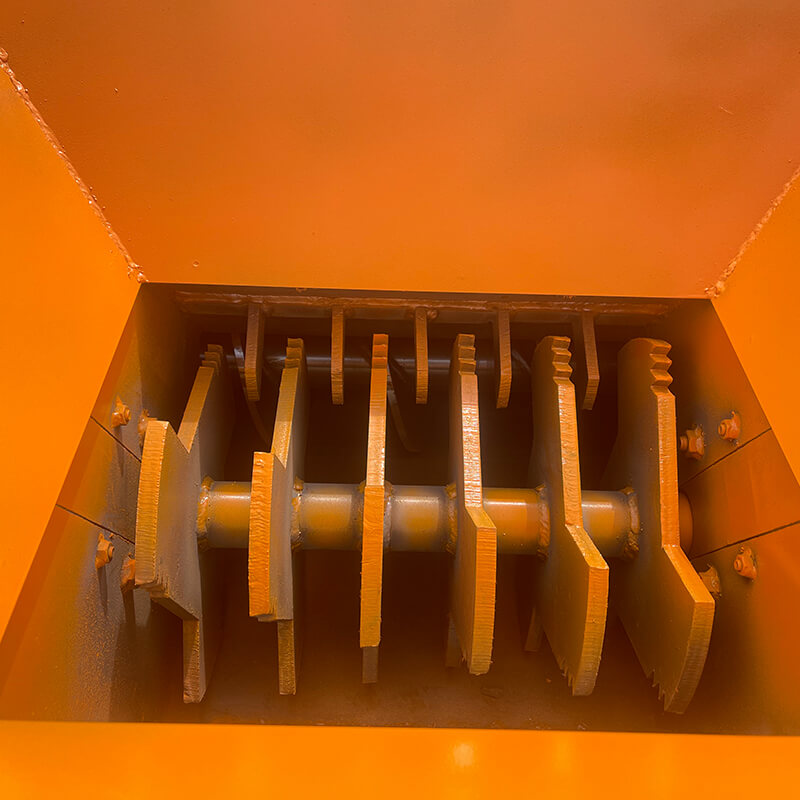
The following images provide additional visual reference for buyers comparing product structure, application value, and equipment details.


Sample Image Gallery