How to Choose a Plastic Recycling Pelletizer for PP, PE, HDPE, and LDPE: A B2B Buyer’s Guide
Introduction
For recycling plant owners and plastic processors, selecting the right pelletizer is critical to achieving high output, consistent pellet quality, and long-term profitability. This guide covers key considerations for pelletizing PP, PE, HDPE, and LDPE waste, focusing on machine selection, output stability, maintenance, energy efficiency, warranty, and supplier service.
Understanding Your Material and Application
Different plastics require different processing conditions. PP and HDPE have higher melting points and require robust screw designs, while LDPE and LLDPE are softer and may need special filtration. Consider whether you are processing post-industrial scrap, post-consumer waste, or mixed materials. For heavily contaminated feed, a pelletizer with a strong filtration system and degassing is essential.
Key Machine Selection Criteria
- Throughput Capacity: Match the pelletizer output to your existing washing or shredding line. Overcapacity leads to idle time, undercapacity bottlenecks production.
- Screw and Barrel Design: Look for bimetallic or nitrided components for wear resistance, especially when processing filled or abrasive materials.
- Strand vs. Underwater Pelletizing: For high-output, low-melt-flow materials like HDPE and PP, underwater pelletizers offer better efficiency and less dust. For smaller batches or frequent material changes, strand pelletizers are more flexible.
- Filtration System: Continuous screen changers (e.g., hydraulic or belt type) minimize downtime. For high contamination, a dual-piston or backflush system is recommended.
Output Stability and Pellet Quality
Consistent pellet size and shape are vital for downstream extrusion or injection molding. Ensure the pelletizer has precise temperature control, stable screw speed, and a reliable cutter. Ask the supplier for data on pellet size distribution and bulk density. Test runs with your specific material can verify performance.
Energy Efficiency and Operating Costs
Modern pelletizers with servo motors and inverter drives can reduce energy consumption by 20-30%. Look for insulated barrels and optimized screw geometry. Calculate the cost per ton of pellets, including power, labor, and maintenance. A slightly higher initial investment often pays back within one year through lower energy bills.
Maintenance and Durability
Easy access to the screen changer, cutter, and die plate reduces downtime. Choose a supplier that offers spare parts locally or with fast shipping. Regular maintenance includes checking knife clearance, replacing seals, and cleaning filters. A well-maintained machine can last 10-15 years.
Warranty and Supplier Support
Insist on at least a 12-month warranty covering major components. Evaluate the supplier’s technical support: do they offer installation supervision, operator training, and remote troubleshooting? Visit their factory if possible, or request references from similar recycling operations. Good after-sales service is as important as the machine itself.
Conclusion
Choosing the right plastic recycling pelletizer for PP, PE, HDPE, and LDPE involves balancing material characteristics, output requirements, energy efficiency, and supplier reliability. By focusing on these factors, you can secure a machine that delivers stable, high-quality pellets and a strong return on investment.
Product Image Gallery
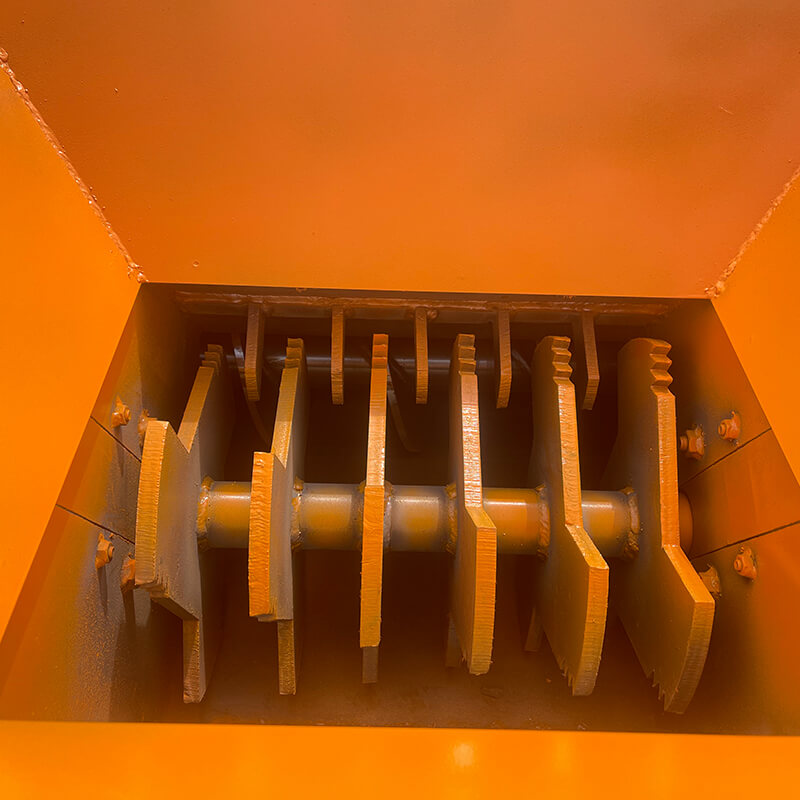
The following images provide additional visual reference for buyers comparing product structure, application value, and equipment details.


Sample Image Gallery