Ultimate Guide to Plastic Recycling Pelletizers: Maximize Output, Save Energy & Choose the Right Supplier
Why Your Plastic Recycling Business Needs the Right Pelletizer
For recycling plant owners and plastic processors, selecting the right plastic granulator is a critical investment. Whether you handle PP, PE, HDPE, LDPE or mixed waste plastics, the pelletizing machine directly determines your production capacity, pellet quality, and long-term profitability. In this guide, we share practical buying advice, application insights, and what to expect from a reliable supplier.
Understanding Material Characteristics: PP, PE, HDPE, LDPE
Each polymer behaves differently during recycling. PP (polypropylene) and HDPE (high-density polyethylene) are rigid and require robust cutting and cooling systems. LDPE (low-density polyethylene) and PE films are softer, often needing special feeding and degassing to handle moisture and contaminants. A machine optimized for your input material will avoid frequent breakdowns and produce consistent pellets.
Application Scenarios
- Post-consumer rigid plastics – shampoo bottles, crates, buckets (HDPE, PP). Requires heavy-duty shredder and washing line integration.
- Post-industrial scrap – factory rejects, purgings. High-purity material allows simpler processes and faster ROI.
- Agricultural film and LDPE bags – wet, contaminated material demands advanced washing, drying, and pelletizing with efficient melt filtration.
Key Factors in Pelletizer Selection
Output Stability and Throughput
Look for a pelletizing machine that offers consistent throughput without surging. A well-designed screw and barrel geometry, precise temperature control, and reliable die face cutting ensure homogeneous pellets. Modern machines with servo-driven cutting and automatic screen changers can prevent downtime and maintain pellet size uniformity, which is crucial for selling to compounders or manufacturers.
Energy Saving Features
Energy costs can eat into margins. Opt for machines with high-efficiency motors, optimized heating zones, and intelligent controls that reduce idle power consumption. Variable frequency drives (VFD) on main motor and feeders adjust speed to load, saving up to 20–30% energy compared to older hydraulic or fixed-speed systems.
Maintenance and Ease of Service
Downtime is expensive. A pelletizer designed for quick cleaning and part replacement will keep your lines running. Check for features like split barrels, accessible die heads, and wear-resistant materials on screws and blades. Ask suppliers about the availability of spare parts, remote troubleshooting support, and detailed manuals with preventative maintenance schedules.
Warranty and After-Sales Support: What to Expect
A reliable B2B supplier should offer comprehensive warranty coverage on key components (gearbox, screw, motor). Standard warranties range from 12 to 24 months, but what matters more is the supplier’s responsiveness. Look for suppliers providing:
- Remote commissioning and training via video call
- On-site installation and operator training (optional but valuable)
- Technical support with quick turnaround for breakdowns
- Upgrade paths and retrofitting services as your throughput needs grow
Supplier Service Evaluation Checklist
When comparing quotes, go beyond price. Ask potential suppliers: How many machines have they installed for similar materials? Do they provide a performance guarantee? Can they share references from overseas clients? A trustworthy partner will offer a turnkey recycling solution, not just a machine.
Practical Buying Advice for Recycling Plant Owners
Start by defining your input material, contamination level, target output (kg/h), and pellet quality requirements. Choose between single-screw, twin-screw, or specialized film pelletizers based on material type. For example, a cascade pelletizing system works well for washed film flakes, while a direct extrusion line suits clean rigid regrinds.
Always request a video of the machine running your material or a similar one. Visit the factory if possible, or ask for a live production demonstration via video call. This reduces risk and builds confidence in the supplier’s capability.
Lastly, consider total cost of ownership (TCO): energy consumption, spare parts costs, and expected service life. A slightly more expensive, robust machine often pays back within the first year through higher uptime and pellet quality.
Conclusion: Invest in a Partnership, Not Just a Machine
The right plastic recycling pelletizer is the heart of your operation. By prioritizing output stability, energy efficiency, maintainability, and strong supplier support, you secure a competitive edge in the growing recycled plastics market. Whether processing PP, PE, HDPE, or LDPE waste, a tailored solution from a reputable supplier will turn your feedstock into profitable, high-quality pellets.
Product Image Gallery
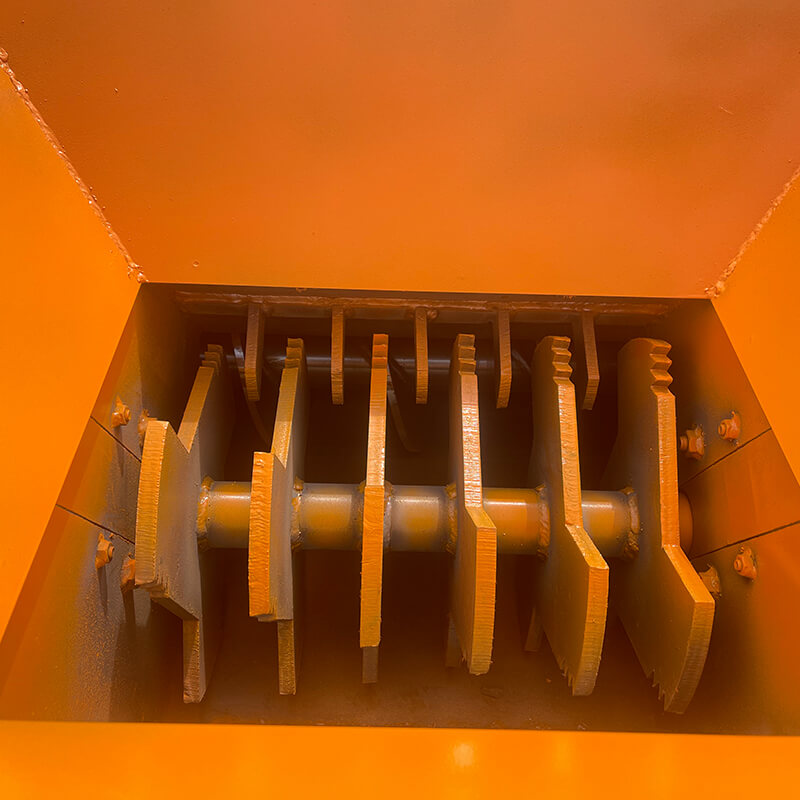
The following images provide additional visual reference for buyers comparing product structure, application value, and equipment details.


Sample Image Gallery