How to Choose the Right Plastic Recycling Pelletizer for PP, PE, HDPE, LDPE Waste
Introduction
Plastic recycling pelletizers (also known as granulators) are the backbone of any waste plastic recycling operation. Whether you process PP, PE, HDPE, or LDPE, selecting the right machine directly impacts your output quality, operational costs, and long-term profitability. This guide provides practical advice for B2B buyers—recycling plant owners, plastic processors, and purchasing managers—to make an informed investment.
Understanding Your Feedstock
The first step is to identify the types of plastic waste you will process. PP (polypropylene) and PE (polyethylene) have different melting behaviors, densities, and contamination levels. HDPE and LDPE require different screw designs and temperature profiles. Ensure the pelletizer manufacturer offers customizable configurations for your specific material mix.
Key Considerations:
- Material purity: Contaminated waste (labels, adhesives, metals) may require pre-washing or a filtration system.
- Throughput requirements: Estimate daily or hourly output in kg/h to match machine capacity.
- Pellet size: Standard sizes range from 3-6 mm; confirm the cutting system can achieve consistent dimensions.
Machine Selection Criteria
Not all pelletizers are built equal. For recycling applications, look for these features:
- Screw design: A single-screw extruder with a vented barrel is common for most PE/PP recycling. Twin-screw systems offer better mixing but higher cost.
- Filtration: Continuous screen changers (manual or automatic) reduce downtime. For highly contaminated waste, a melt filter is essential.
- Cutting system: Hot die face pelletizing is typical for most post-consumer plastics; underwater pelletizing for high-output, clean materials.
- Energy efficiency: Look for inverter-driven motors and insulated barrels. Ask about specific energy consumption (kWh per kg of pellets).
Output Stability and Quality
Stable output is critical for downstream processes. Insist on:
- Consistent melt temperature control (±2°C) to prevent degradation.
- Reliable pellet size uniformity (less than 5% variation).
- Low dust and fines generation (below 1%).
Request a site visit or video demonstration of the machine processing your actual material. Ask for references from similar recycling plants.
Maintenance and Durability
Downtime costs money. Evaluate:
- Ease of cleaning: Quick-opening clamps and modular screw/barrel design reduce changeover time.
- Wear protection: Hardened steel or bimetallic barrels and screws for abrasive materials (e.g., filled PP).
- Spare parts availability: Check lead times for screws, barrels, die plates, and cutting blades.
Regular maintenance includes daily greasing of bearings, weekly screen pack changes (if manual), and monthly inspection of heating zones. Ask the supplier for a preventive maintenance schedule.
Energy Saving and Sustainability
Lower energy consumption improves your carbon footprint and bottom line. Modern pelletizers can achieve 25-30% energy savings through:
- High-efficiency motors (IE3 or IE4).
- Variable frequency drives (VFDs) for screw and cutter motors.
- Thermal insulation on barrel and die.
- Heat recovery systems for preheating wash water or drying.
Request energy consumption data under typical load conditions.
Warranty and After-Sales Service
A strong warranty protects your investment. Typical terms:
- 1-2 years on mechanical parts, 5-10 years on screw/barrel against wear (pro-rated).
- On-site commissioning and training included.
- Remote troubleshooting via video call or IoT sensors.
Check the supplier’s service network in your region. Ask about response time for emergency repairs and spare parts delivery.
Supplier Evaluation Checklist
- Experience: How many pelletizers have they installed for plastic recycling? Ask for case studies.
- Testing facility: Can you run a trial with your material before purchase?
- Customization: Do they offer tailored solutions for specific polymers or contamination levels?
- Certifications: CE, UL, or ISO 9001 compliance ensures quality and safety.
- Payment terms: Typical 30% deposit, 70% before shipment. Avoid full upfront payment.
Conclusion
Choosing the right plastic recycling pelletizer is a strategic decision that affects your entire operation. Prioritize machines that offer flexibility, durability, and energy efficiency. Partner with a supplier who understands your material challenges and provides comprehensive after-sales support. By following the guidelines above, you can select a pelletizer that delivers consistent, high-quality pellets and maximizes your return on investment.
Product Image Gallery
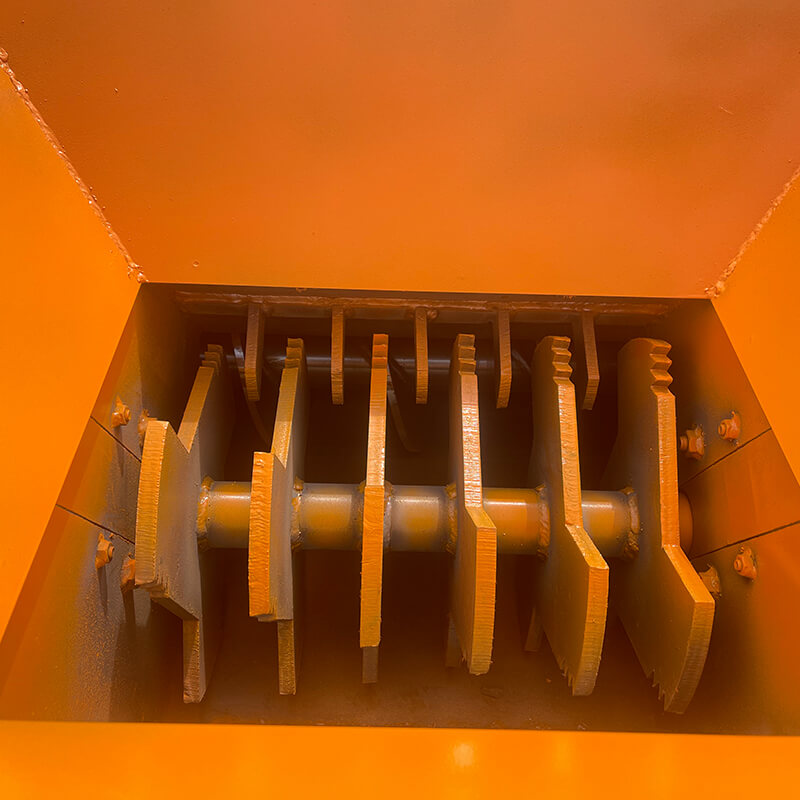
The following images provide additional visual reference for buyers comparing product structure, application value, and equipment details.


Sample Image Gallery