How to Choose the Right Plastic Recycling Pelletizer for PP, PE, HDPE, and LDPE Waste
Introduction
Plastic recycling pelletizers, also known as plastic granulators, are essential machines for converting waste plastics into reusable pellets. This guide helps B2B buyers—including recycling plant owners, plastic processors, and purchasing managers—understand key factors in selecting the right machine for PP, PE, HDPE, and LDPE recycling.
Understanding Your Feedstock
Different plastics require different machine configurations. Polypropylene (PP) and polyethylene (PE) including HDPE and LDPE have varying melting points, melt flow indexes, and contamination levels. For example, LDPE films often contain higher moisture and dirt, demanding robust drying and filtration systems. Evaluate your waste stream composition before purchasing.
Key Machine Selection Criteria
1. Output Stability
Consistent pellet quality depends on screw design, temperature control, and cutter configuration. Look for machines with PLC-based temperature controllers and variable frequency drives to maintain stable extrusion. Ask suppliers for output data under different conditions.
2. Energy Efficiency
Energy costs impact profitability. Modern pelletizers with energy-efficient motors, insulated barrels, and optimized screw geometries can reduce power consumption by 20-30%. Request specific kWh per kg figures.
3. Maintenance and Durability
Easy access to screens, cutters, and screw elements reduces downtime. Choose machines with hardened steel components and replaceable wear parts. Suppliers should provide maintenance schedules and spare parts availability.
4. Warranty and Support
A minimum 12-month warranty is standard. Look for extended warranties on critical parts. Reliable suppliers offer remote troubleshooting, on-site training, and a local service network. Check customer reviews and request references.
Application Scenarios
- PP/PE Rigid Recycling: For bottles, containers, and crates, a standard single-screw pelletizer with melt filtration works well.
- LDPE Film Recycling: Requires a machine with a crammer feeder, degassing system, and underwater pelletizing to handle thin, sticky materials.
- Mixed Waste: Consider a dual-screw or co-rotating twin-screw pelletizer for better mixing and devolatilization.
Supplier Service Considerations
Beyond the machine, evaluate supplier capabilities: pre-sales testing with your material, installation support, operator training, and after-sales technical hotline. A supplier that understands international shipping and customs documentation is valuable for overseas buyers.
Conclusion
Investing in the right plastic recycling pelletizer requires balancing performance, energy efficiency, and support. Prioritize output stability, ease of maintenance, and supplier reputation. Test machines with your specific waste plastic to ensure compatibility. With careful selection, you can achieve high-quality pellets and a strong return on investment.
Product Image Gallery
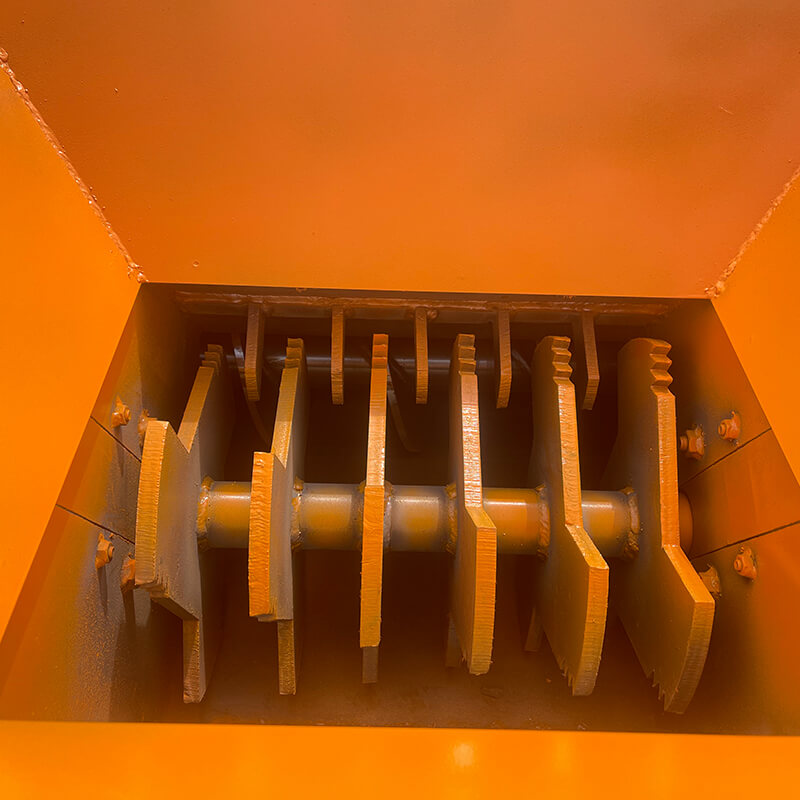
The following images provide additional visual reference for buyers comparing product structure, application value, and equipment details.


Sample Image Gallery