How to Choose the Right Plastic Recycling Pelletizer for PP, PE, HDPE, and LDPE Waste
Introduction
As global demand for recycled plastics grows, investing in a reliable plastic recycling pelletizer (also known as a plastic granulator or pellet making machine) is critical for processors handling PP, PE, HDPE, and LDPE waste. This guide covers key factors for B2B buyers, including machine selection, output stability, maintenance, energy efficiency, warranty, and supplier service.
Understanding Your Feedstock
Different polymers require specific pelletizer configurations. For example:
- PP (Polypropylene) – often requires higher melt temperature control and filtration due to higher melt flow index variability.
- PE (Polyethylene) – HDPE & LDPE – HDPE needs robust screw design for higher viscosity, while LDPE benefits from efficient degassing to remove volatiles.
Assess contamination levels (paper, labels, metals) to choose between single-stage or two-stage extrusion systems.
Machine Selection Criteria
1. Output Capacity and Stability
Look for machines with proven throughput rates (kg/h) under continuous operation. Ask for test reports with your specific material. Stable output reduces downstream bottlenecks.
2. Screw and Barrel Design
Barrel length-to-diameter ratio (L/D) typically ranges 28:1 to 36:1. Higher L/D improves mixing and degassing. For mixed waste, consider a vented barrel with vacuum pump.
3. Filtration System
Continuous screen changers (e.g., hydraulic or backflush) minimize downtime. Evaluate mesh size and material compatibility.
4. Energy Efficiency
Opt for servo-driven motors or variable frequency drives (VFDs) that can reduce power consumption by 20-30%. Insulated barrels and optimized heating zones also save energy.
Maintenance and Durability
Regular maintenance includes cleaning screen packs, checking screw wear, and lubricating bearings. Choose a supplier that provides easy access to wear parts and offers spare parts kits. High-quality materials (e.g., nitrided steel for screws, bimetallic barrels) extend lifespan.
Warranty and After-Sales Service
Reputable suppliers offer at least 1-2 years warranty on mechanical parts. Look for:
- Remote troubleshooting support
- On-site installation and training
- Quick response for spare parts
Check client references and request a factory visit if possible.
Application Scenarios
Typical setups include:
- Post-consumer film recycling (LDPE/LLDPE) – requires washing line + agglomerator + pelletizer.
- Industrial scrap recycling (PP/PE lumps) – often direct feed with single-stage pelletizer.
- Mixed rigid plastics (HDPE/PP containers) – needs sorting and possibly two-stage extrusion for consistent melt.
Conclusion
Choosing the right plastic recycling pelletizer involves balancing initial cost with long-term reliability and efficiency. Prioritize suppliers with strong technical support and proven track records. Request a detailed proposal with output guarantees for your specific waste stream.
Need help selecting a pelletizer? Contact our team for expert guidance tailored to your recycling operation.
Product Image Gallery
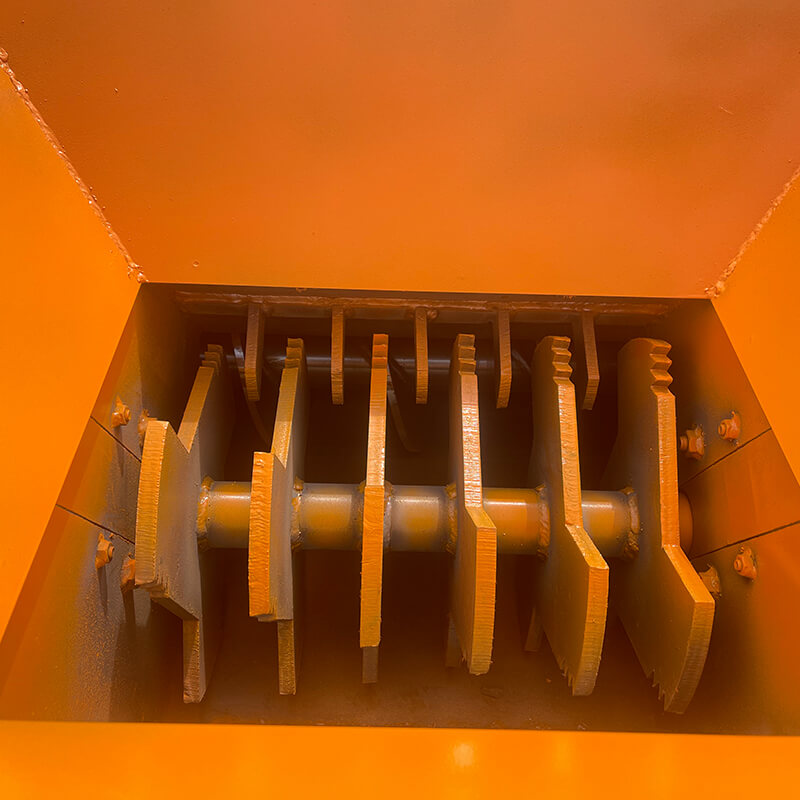
The following images provide additional visual reference for buyers comparing product structure, application value, and equipment details.


Sample Image Gallery