How to Choose the Right Plastic Recycling Pelletizer for PP, PE, HDPE, and LDPE: A B2B Buyer's Guide
Introduction
For recycling plant owners, plastic processors, and purchasing managers, investing in a plastic recycling pelletizer (also known as a plastic granulator) is a critical decision. The right machine can transform waste PP, PE, HDPE, and LDPE into high-quality pellets, ensuring profitability and operational efficiency. This guide covers key selection criteria, application scenarios, and supplier support considerations to help you make an informed purchase.
Understanding Your Feedstock
The type of plastic waste you process directly impacts machine selection. PP (polypropylene) and PE (polyethylene) have different melting points and flow characteristics. HDPE (high-density polyethylene) is stiffer, while LDPE (low-density polyethylene) is more flexible. Ensure the pelletizer is designed for your specific materials. Many suppliers offer multi-purpose machines for mixed waste, but dedicated setups often yield better output stability.
Key Questions to Ask
- What is the typical contamination level in your feedstock?
- Do you process film, rigid, or both?
- What pellet size and shape do your downstream customers require?
Machine Selection Criteria
1. Output Stability and Consistency
Look for a pelletizer with a robust screw design and precise temperature control. Consistent pellet size and shape are vital for resale. Ask about the machine's ability to handle variations in feed rate and material quality.
2. Energy Efficiency
Energy costs are a major operational expense. Modern pelletizers with variable frequency drives (VFDs) and energy-saving motors can reduce power consumption by 20-30%. Compare specific energy consumption (kWh per kg) across models.
3. Maintenance and Durability
Downtime is costly. Choose machines with easy-access components, hardened steel screws and barrels, and reliable cutting chambers. Inquire about standard wear parts and their replacement intervals. A good supplier provides maintenance training and spare parts availability.
4. Warranty and After-Sales Support
A comprehensive warranty (typically 1-2 years) and responsive technical support are non-negotiable. Check if the supplier offers on-site installation, commissioning, and remote troubleshooting.
Application Scenarios
Recycling Plant Owners
If you run a large-scale recycling facility, throughput capacity is paramount. Look for machines with capacities from 200 kg/h to over 1000 kg/h. Consider integrated washing and drying lines for turnkey solutions.
Plastic Processors (In-house Recycling)
For manufacturers using PP/PE scrap, compact pelletizers that fit into existing production lines are ideal. Prioritize ease of integration and minimal floor space.
Purchasing Managers
Your focus should be on total cost of ownership (TCO). Evaluate initial investment, energy costs, maintenance, and potential resale value of pellets. Request references and visit operating plants if possible.
Supplier Service and Support
Reliable suppliers provide more than just a machine. Look for:
- Pre-sales material testing and process recommendations.
- Customization options for specific pellet sizes or materials.
- Training for operators and maintenance staff.
- Global spare parts network and fast response times.
Conclusion
Choosing the right plastic recycling pelletizer requires balancing technical specs with practical business needs. By focusing on feedstock compatibility, output stability, energy efficiency, and supplier support, you can secure a machine that delivers long-term value. Always request a detailed proposal and compare multiple suppliers before committing.
Product Image Gallery
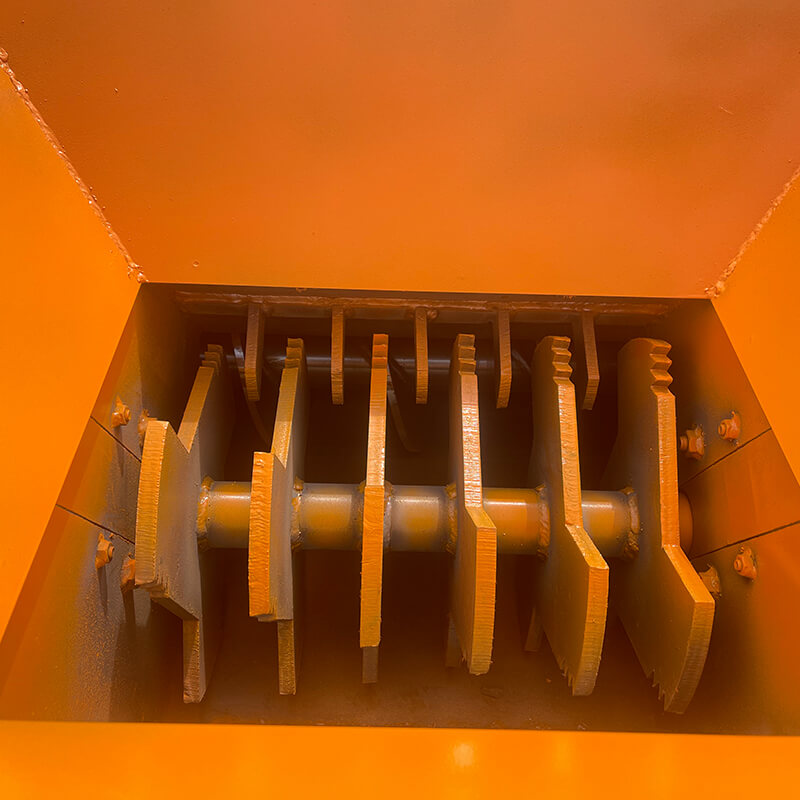
The following images provide additional visual reference for buyers comparing product structure, application value, and equipment details.


Sample Image Gallery