How to Choose the Right Plastic Pelletizer for PP, PE, HDPE, and LDPE Recycling
Introduction
As a B2B buyer or recycling plant owner, selecting the right plastic pelletizer is critical to your operation's efficiency, output quality, and long-term profitability. This guide covers key considerations for pelletizing PP, PE, HDPE, and LDPE, helping you make an informed investment.
Understanding Your Feedstock
Different polymers require specific processing conditions. For example, PP and HDPE have higher melting points than LDPE, so your pelletizer must have precise temperature control. Contamination levels also affect machine design – consider pre-washing systems for post-consumer waste.
Key Factors for Machine Selection
- Throughput Capacity: Match the machine size to your daily input volume. Oversizing wastes energy; undersizing creates bottlenecks.
- Screw Design: A well-designed screw ensures consistent melting and degassing. For mixed plastics, a barrier screw or vented extruder helps remove volatiles.
- Cutting System: Strand pelletizers are common for clean materials, while underwater pelletizers are better for high-output and sticky polymers like LDPE.
Output Stability and Quality
Stable pellet size and shape are crucial for downstream processes. Look for machines with advanced PLC controls that maintain consistent temperature, pressure, and cutter speed. Ask suppliers for output stability data and sample pellets from your specific waste stream.
Energy Efficiency and Cost Savings
Energy costs are a major operational expense. Modern pelletizers with servo-driven cutters, insulated barrels, and efficient motor systems can reduce power consumption by up to 30%. Compare specific energy consumption (kWh/kg) across suppliers.
Maintenance and Durability
Downtime is costly. Choose a pelletizer with easy-access components, hardened steel screws and barrels (bimetallic or nitrided), and a reliable gearbox. Regular maintenance plans and spare parts availability should be part of your evaluation.
Warranty and Supplier Support
A comprehensive warranty (typically 1-2 years) and responsive after-sales service are non-negotiable. Look for suppliers who offer installation supervision, operator training, and remote troubleshooting. Check references from other recycling plants.
Application Scenarios
For PP/PE film recycling: A compact pelletizer with a crammer feeder and degassing section handles low bulk density materials. For HDPE rigid waste: A heavy-duty machine with a larger motor and stronger gearbox ensures continuous operation.
Conclusion
Investing in a plastic pelletizer is a long-term decision. Prioritize machines tailored to your polymer type, with proven output stability, energy efficiency, and strong supplier support. Request a trial run with your material before purchase.
Product Image Gallery
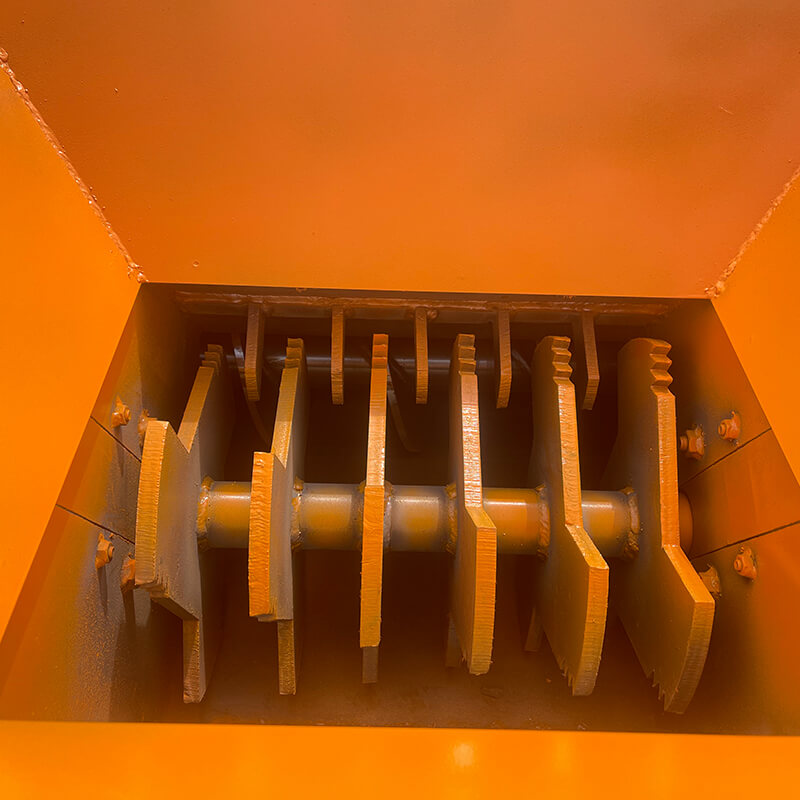
The following images provide additional visual reference for buyers comparing product structure, application value, and equipment details.


Sample Image Gallery