How to Choose a Plastic Recycling Pelletizer for PP, PE, HDPE, LDPE: A Buyer's Guide
Introduction
As a B2B buyer in the plastic recycling industry, selecting the right pelletizer (granulator) is critical to your operation's efficiency, output quality, and long-term profitability. Whether you process post-consumer or post-industrial waste of PP, PE, HDPE, or LDPE, this guide covers key factors: machine selection, output stability, maintenance, energy saving, warranty, and supplier service.
1. Understand Your Feedstock
Different polymers require different machine configurations. For example:
- PP (Polypropylene) – tends to be stiff; needs robust cutting and higher torque.
- PE (Polyethylene), HDPE, LDPE – softer, more flexible; may require special feeding systems to avoid bridging.
Ensure the pelletizer can handle your material's melt flow index, contamination level, and bulk density. Many suppliers offer customized screw designs and filtration systems.
2. Key Machine Selection Criteria
Output Stability
Look for reliable screw and barrel design, consistent heating zones, and a stable cutter hub. Variable frequency drives (VFD) help maintain uniform throughput even with feed fluctuations.
Energy Efficiency
Energy costs are a major operational expense. Choose machines with high-efficiency motors, insulated barrels, and optimized screw geometry. Some models recover heat for pre-drying, cutting overall consumption by up to 20%.
Maintenance and Durability
Opt for hardened steel components (e.g., nitrided screw and barrel, D2 steel blades) for longer service life. Easy-access maintenance points reduce downtime. Ask about spare parts availability and local service.
3. Application Scenarios
- Small recycling plant (500 kg/hr): A compact, single-stage pelletizer with manual screen changer may suffice. Prioritize simplicity and ease of cleaning.
- Medium-scale processor (1-2 ton/hr): Need automatic screen changer, degassing vent, and possibly a melt pump for consistent pressure. Consider a two-stage system for better homogenization.
- Large industrial line (3+ ton/hr): Require heavy-duty gearbox, water-ring pelletizing, and full automation. Energy recovery systems become cost-effective.
4. Supplier Support and Warranty
B2B purchases involve significant investment. Evaluate suppliers on:
- Warranty: Minimum 1 year, ideally 2-3 years for key components. Check what is covered (screw, barrel, motor, electrical).
- After-sales service: Remote troubleshooting, on-site commissioning, and training. Ask for references from similar operations.
- Spare parts: Local stock or fast shipping from overseas warehouse.
- Customization: Can they adjust screw design, pelletizing die, or automation level to your specific needs?
5. Cost vs. Value
Lowest upfront cost often leads to higher downtime, lower pellet quality, and higher energy bills. Calculate total cost of ownership (TCO) over 5 years, including energy, maintenance, and lost production. A mid-range machine from a reputable supplier often offers the best ROI.
Conclusion
Choosing the right plastic recycling pelletizer is a strategic decision. Focus on output stability, energy efficiency, and robust after-sales support. Test the machine with your actual material if possible. A well-chosen pelletizer will deliver consistent, high-quality pellets for years, maximizing your recycling operation's profitability.
Product Image Gallery
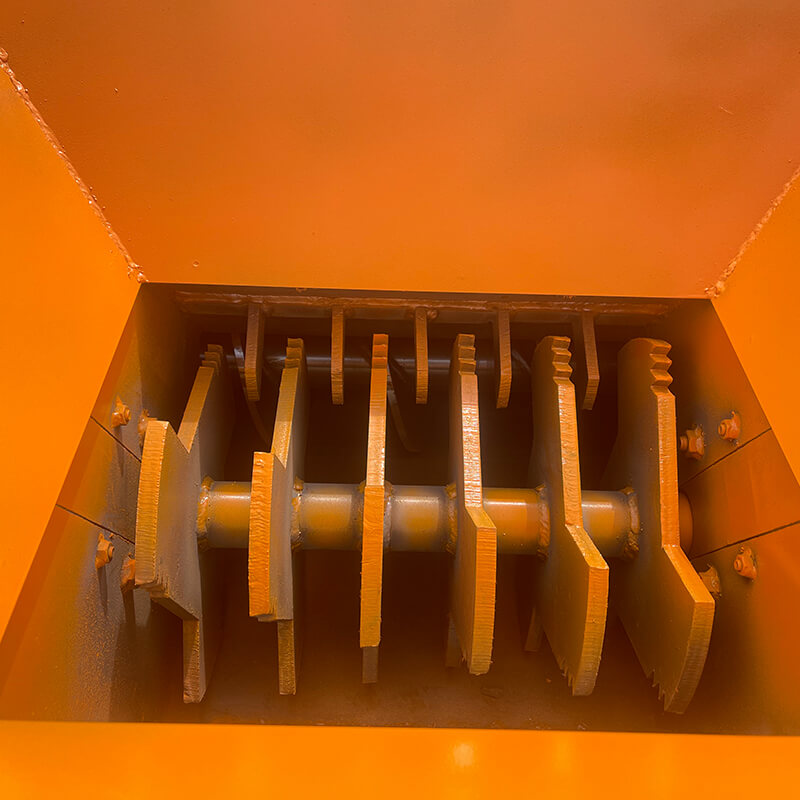
The following images provide additional visual reference for buyers comparing product structure, application value, and equipment details.


Sample Image Gallery