How to Choose a Plastic Recycling Pelletizer for PP, PE, HDPE, LDPE: A Buyer’s Guide
Introduction
As a B2B buyer in the plastic recycling industry, selecting the right pelletizer or granulator is critical for your plant's efficiency and profitability. This guide covers key factors for processing PP, PE, HDPE, LDPE, and mixed waste plastics, with practical advice on machine selection, output stability, maintenance, energy savings, warranty, and supplier service.
Understanding Your Material and Output Requirements
Different plastics require specific machine configurations. For example, PP and HDPE have higher melting points and may need stronger screw designs, while LDPE and film materials require effective degassing. Determine your target pellet size, production capacity (kg/h), and whether you need a single-stage or two-stage system. Two-stage systems are better for heavily contaminated or mixed waste.
Key Machine Selection Criteria
1. Screw Design and Material
Look for a screw made of hardened steel with anti-wear coating. For high-output plants, consider a dual-screw extruder for better mixing and output stability. The L/D ratio (length-to-diameter) should be at least 28:1 for thorough melting and homogenization.
2. Filtration System
Continuous screen changers (e.g., hydraulic or automatic) minimize downtime and maintain consistent quality. For dirty feedstocks, a melt filter with a fine mesh (e.g., 100-150 microns) is essential.
3. Pelletizing Method
Strand pelletizers are common for rigid plastics; underwater pelletizers are ideal for soft materials like LDPE film. Choose based on your primary feedstock.
Output Stability and Quality
Stable output depends on consistent feed, temperature control, and screw speed. Inquire about the machine’s PLC system and whether it offers automatic adjustment of heating zones. Request test runs with your material to verify pellet uniformity, moisture content, and bulk density.
Energy Efficiency and Operating Costs
Energy consumption is a major cost factor. Modern machines with servo motors and insulated barrels can reduce electricity use by 20-30%. Ask about specific energy consumption (kWh per kg of output) and compare across suppliers. Also consider cooling water and air requirements.
Maintenance and Durability
Ease of maintenance affects uptime. Choose machines with easy-access screw and barrel assemblies, quick-release screen changers, and standardized parts. Check the warranty period (typically 1-2 years) and availability of spare parts. A supplier with a local service network can reduce downtime.
Supplier Service and Support
Evaluate the supplier’s experience in your region and with your plastic types. Request references and visit installations if possible. Good suppliers offer installation supervision, operator training, and technical support via remote diagnostics. A comprehensive warranty should cover defects and performance guarantees.
Application Scenarios
- PP/PE mixed post-consumer waste: Two-stage pelletizer with intensive degassing and melt filtration.
- HDPE rigid containers: Single-stage strand pelletizer with high-torque screw.
- LDPE film: Underwater pelletizer with cutter for sticky materials.
- Plant expansion: Modular machine that can integrate with existing washing and drying lines.
Conclusion
Investing in a plastic recycling pelletizer is a long-term decision. Prioritize output stability, energy savings, and supplier support over initial price. Request detailed specifications, conduct material tests, and negotiate a service contract. With the right machine, you can turn waste plastic into high-quality pellets for the global market.
Product Image Gallery
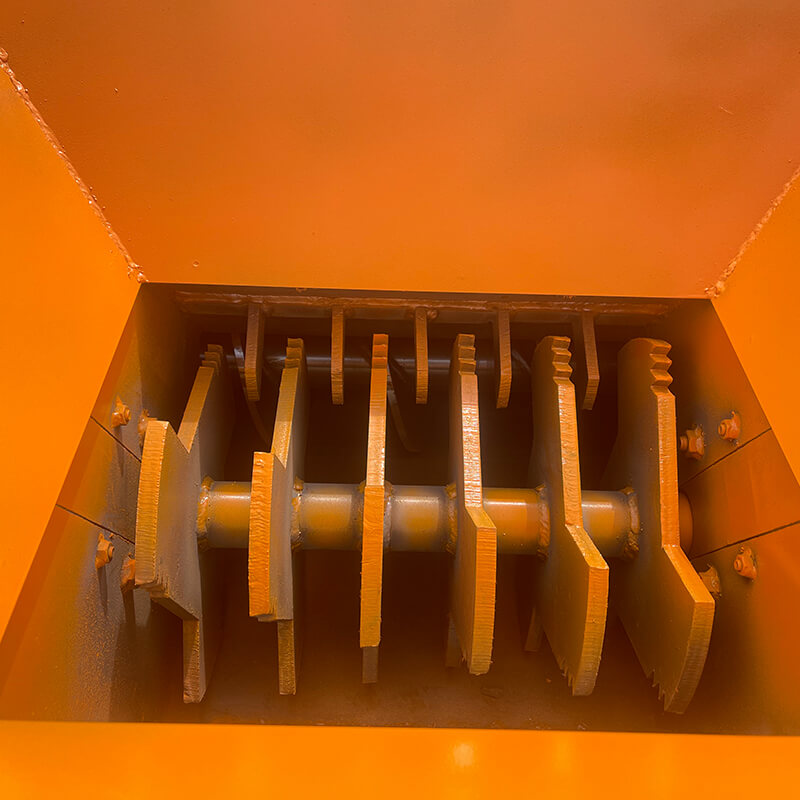
The following images provide additional visual reference for buyers comparing product structure, application value, and equipment details.


Sample Image Gallery