How to Choose a Plastic Recycling Pelletizer for PP, PE, HDPE, LDPE: A B2B Buyer's Guide
Introduction
As a recycling plant owner or plastic processor, investing in the right pelletizer (also called a plastic granulator) is critical for turning waste PP, PE, HDPE, and LDPE into high-quality pellets. This guide covers key machine selection factors, output stability, maintenance, energy efficiency, warranty, and supplier service to help you make an informed decision.
Understanding Your Feedstock
Different plastics require different processing parameters. PP has a higher melting point and tends to be stiffer, while PE (including HDPE and LDPE) flows more easily. Ensure the pelletizer's screw design, temperature control, and filtration system are compatible with your specific material mix. For mixed waste, a machine with a robust screen changer and degassing is recommended.
Output Stability and Consistency
Stable production is essential for profitability. Look for features like:
- AC variable frequency drive for precise screw speed control
- Automatic temperature control with PID regulators to prevent melt degradation
- Consistent pellet cutting mechanism (strand or underwater) that produces uniform size
- Real-time monitoring systems for pressure, temperature, and motor load
Ask the supplier for output data from similar applications to verify performance.
Machine Configuration: Single vs. Twin Screw
Single-screw extruders are common for pelletizing most polyolefins, offering simplicity and lower cost. Twin-screw extruders provide better mixing and devolatilization for heavily contaminated or multi-material waste, but come at a higher investment. For typical PP/PE recycling, a well-designed single-screw machine with a vented barrel is often sufficient.
Energy Efficiency and Operating Cost
Energy consumption directly affects your bottom line. Inquire about:
- Motor efficiency (IE3 or IE4 rated)
- Barrel insulation to reduce heat loss
- Energy consumption per kg of output (typically 0.25-0.45 kWh/kg)
- Heat recovery options for pre-drying feedstock
Suppliers should provide estimated energy costs for your throughput.
Maintenance and Durability
Downtime is costly. Choose a pelletizer with:
- Hardened screw and barrel (bimetallic or nitrided) for long life
- Easy-access screen changer (hydraulic or manual slide-plate)
- Durable pelletizing blades (carbide or ceramic)
- Clear maintenance schedule and spare parts availability
Ask about mean time between failures (MTBF) for key components.
Warranty and After-Sales Service
A reliable supplier stands behind their equipment. Look for:
- Minimum 12-month warranty on mechanical parts
- Technical support via phone, email, or on-site commissioning
- Spare parts inventory and fast delivery
- Training for your operators on machine operation and troubleshooting
Request references from other recycling plants in your region.
Application Scenarios
For a plant processing post-consumer film (LDPE), a compact pelletizer with a crammer feeder and filtration system is ideal. For industrial scrap (PP/PE lumps), a heavy-duty granulator with a shredder pre-stage may be needed. Always simulate your actual waste composition with the supplier's test facility.
Conclusion
Selecting a plastic recycling pelletizer involves balancing upfront cost with long-term reliability, energy efficiency, and support. Prioritize machines that match your feedstock, offer stable output, and come from a supplier with proven service. By following this guide, you'll be well-equipped to make a purchase that drives your recycling business forward.
Product Image Gallery
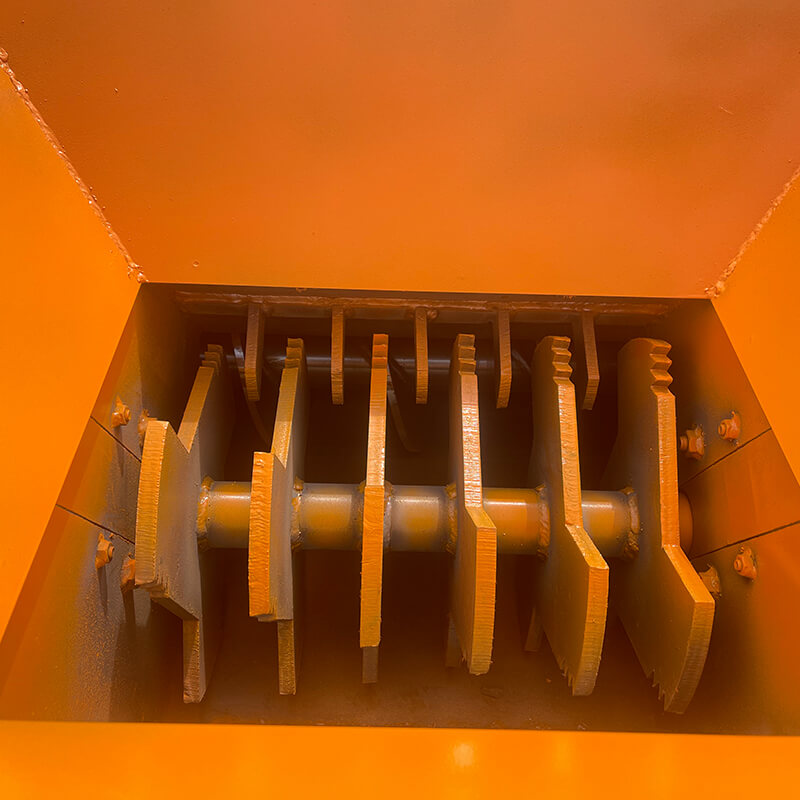
The following images provide additional visual reference for buyers comparing product structure, application value, and equipment details.


Sample Image Gallery