How to Choose a Plastic Recycling Pelletizer for PP, PE, HDPE, LDPE: A B2B Buyer's Guide
Introduction
Plastic recycling pelletizers (granulators) are essential for transforming waste plastics into reusable pellets. Whether you process PP, PE, HDPE, or LDPE, selecting the right machine directly impacts output quality, production efficiency, and long-term profitability. This guide helps B2B buyers, recycling plant owners, and procurement managers make informed decisions.
Key Considerations for Pelletizer Selection
1. Material Compatibility
Different plastics require specific machine configurations. For example, PP and HDPE have higher melting points and need robust screw designs, while LDPE and LLDPE are softer and may require different filtration systems. Ensure the pelletizer can handle your target materials without degradation.
2. Output Capacity & Stability
Evaluate hourly throughput (kg/h) based on your production goals. Look for machines with stable extrusion and consistent pellet size. Features like AC drives, PLC control, and automatic temperature regulation improve stability and reduce downtime.
3. Energy Efficiency
Energy costs are a major operational expense. Modern pelletizers with energy-efficient motors, insulated barrels, and optimized screw geometries can save up to 20-30% electricity. Ask for specific energy consumption data (kWh per kg of output).
4. Filtration & Contamination Handling
Waste plastics often contain impurities. Choose a pelletizer with effective melt filtration—such as screen changers (manual, hydraulic, or continuous)—to remove contaminants and produce high-purity pellets. For heavily contaminated material, consider models with dual filtration stages.
Maintenance & Longevity
Regular maintenance ensures consistent performance. Key components to check: screw and barrel wear (use hardened alloys for abrasive materials), gearbox oil levels, heater bands, and screen pack condition. Reputable suppliers offer easy access to spare parts and provide maintenance schedules.
Warranty & After-Sales Service
A comprehensive warranty (typically 1-2 years) covers defects in materials and workmanship. More importantly, evaluate the supplier's technical support: availability of installation guidance, remote troubleshooting, local service engineers, and training for your operators. Good after-sales service minimizes downtime.
Application Scenarios
- In-house recycling: For plastic processors generating scrap (e.g., film, pipe, injection molding waste), a compact pelletizer can directly reprocess material back into production.
- Centralized recycling plants: High-capacity machines (500-2000 kg/h) with automated feeding and pellet handling systems are ideal for processing mixed post-consumer plastics.
- Washing line integration: Pelletizers often follow washing and drying stages. Ensure compatibility with moisture content and residual contamination levels.
Supplier Reliability
Choose suppliers with proven track records in the plastic recycling industry. Look for certifications (CE, ISO), customer references, and case studies. Request a factory visit or virtual demo to assess build quality. A trustworthy supplier will provide transparent pricing, detailed specifications, and a clear delivery timeline.
Conclusion
Investing in the right plastic recycling pelletizer is a strategic decision. Prioritize material compatibility, output stability, energy efficiency, and robust after-sales support. By evaluating these factors, you can select a machine that delivers consistent, high-quality pellets and maximizes your return on investment.
Product Image Gallery
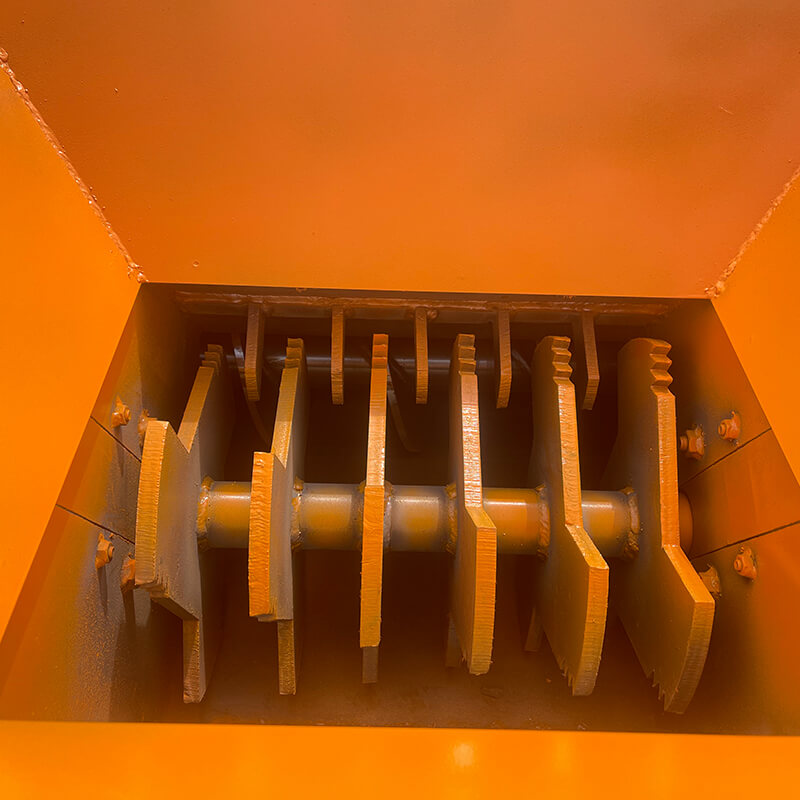
The following images provide additional visual reference for buyers comparing product structure, application value, and equipment details.


Sample Image Gallery