How to Choose a Plastic Recycling Pelletizer for PP, PE, HDPE, LDPE: A B2B Buyer's Guide
Introduction
For recycling plant owners, plastic processors, and purchasing managers, selecting the right plastic recycling pelletizer (also known as a plastic granulator) is critical to achieving consistent output, low operating costs, and high-quality pellets. This guide covers key factors for processing PP, PE, HDPE, and LDPE waste, including machine selection, output stability, maintenance, energy efficiency, warranty, and supplier service.
Understanding Your Feedstock
The type of plastic waste you process determines the machine configuration. PP and HDPE have higher melting points and require stronger motor torque, while LDPE and LLDPE are softer but can cause feeding issues. For mixed waste, a pre-crusher or shredder is recommended. Ensure the pelletizer's screw design (single or twin) matches your material's melt flow index.
Output Stability and Throughput
Stable output depends on consistent feeding, temperature control, and screw design. Look for machines with PLC-based temperature controllers and variable frequency drives (VFD) for the main motor. Request a throughput test using your own material. For typical recycling lines, outputs range from 100 kg/h to 2000 kg/h. Ask about the pelletizer's ability to handle film, lumps, or regrind.
Energy Efficiency and Operating Costs
Energy consumption is a major cost factor. Compare specific energy consumption (kWh per kg of pellets). Modern pelletizers with servo-driven motors or energy-efficient gearboxes can reduce power use by 15-30%. Also consider the cooling system: water-cooled vs. air-cooled. Water cooling is more efficient for high-output lines but requires a recirculation system.
Pellet Quality and Downstream Equipment
Pellet shape and size affect downstream processing. Strand pelletizers produce cylindrical pellets, while underwater pelletizers yield spherical pellets. For applications like injection molding, spherical pellets flow better. Ensure the cutter design minimizes fines and dust. Ask about screen changers (manual, hydraulic, or continuous) to reduce downtime during filter changes.
Maintenance and Durability
Wear parts include screws, barrels, cutters, and screens. For abrasive materials (e.g., filled PP), hardened steel or bimetallic barrels are essential. Check if the manufacturer offers spare parts kits and local service. Regular maintenance tasks include cleaning the die head, checking bearing lubrication, and monitoring screw wear. A well-designed machine should have easy access for cleaning and part replacement.
Warranty and Supplier Service
A typical warranty covers 12-24 months for defects. Extended warranties may be negotiable. Evaluate the supplier's technical support: do they provide installation supervision, operator training, and remote troubleshooting? Request references from similar recycling operations. A reliable supplier will also offer process optimization support to improve pellet quality and yield.
Application Scenarios
- Film Recycling (LDPE/HDPE): Requires a hot wash line and a pelletizer with a vented screw to remove moisture and volatiles.
- Rigid PP/HDPE: Post-consumer containers need a high-torque machine with a cutter-compactor for feeding.
- Mixed Waste: Use a twin-screw extruder for better mixing and devolatilization.
Conclusion
Choosing the right plastic recycling pelletizer involves balancing initial cost, operating efficiency, and long-term reliability. Prioritize machines that match your feedstock, offer stable output, and come with strong after-sales support. By evaluating these factors, you can ensure a profitable and sustainable recycling operation.
Product Image Gallery
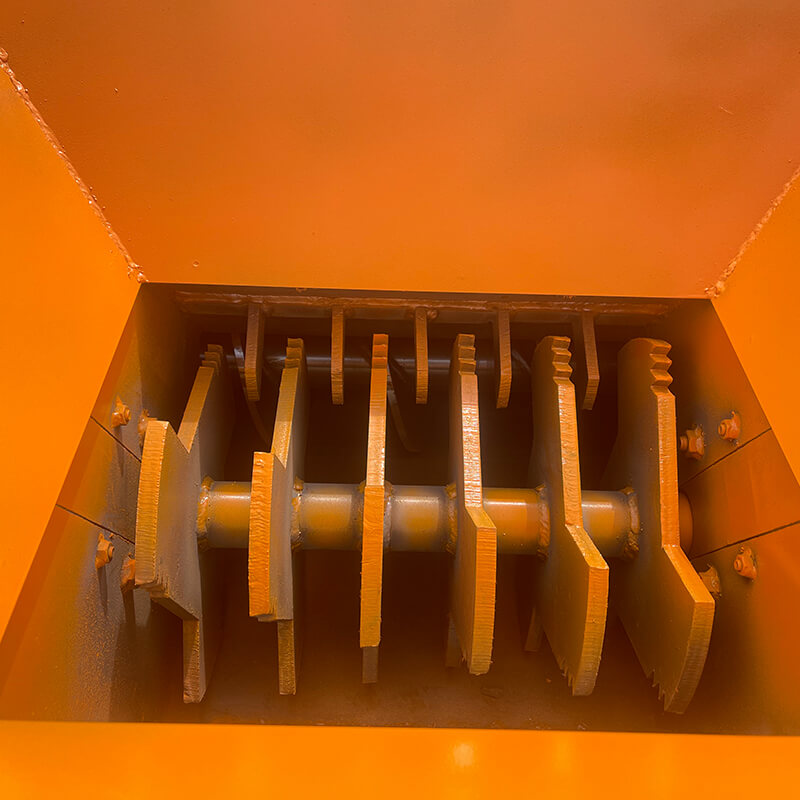
The following images provide additional visual reference for buyers comparing product structure, application value, and equipment details.


Sample Image Gallery