How to Choose a Plastic Recycling Pelletizer for PP, PE, HDPE, and LDPE Waste
Introduction
As global demand for recycled plastics grows, investing in a reliable plastic recycling pelletizer (granulator) is crucial for recycling plants, plastic processors, and purchasing managers. Whether you handle PP, PE, HDPE, or LDPE waste, selecting the right machine ensures output stability, energy efficiency, and long-term profitability. This guide covers key factors to consider when buying a pelletizer for waste plastic recycling.
Understanding Your Material and Application
Different plastics require specific processing conditions. PP (polypropylene) and PE (polyethylene) (including HDPE and LDPE) have varying melting points, flow characteristics, and contamination levels. For example, LDPE film waste often contains high moisture and impurities, demanding a pelletizer with robust degassing and filtration systems. Identify your primary feedstock: post-industrial scrap, post-consumer waste, or mixed streams. This determines whether you need a single-stage or two-stage extrusion line, underwater pelletizing, or strand cutting.
Key Machine Selection Criteria
1. Output Stability and Throughput
Choose a pelletizer that matches your daily processing volume. Look for models with consistent screw design, temperature control, and die-face cutting. A stable output reduces downtime and ensures uniform pellet quality. For high-moisture materials, a vented extruder with vacuum degassing improves stability.
2. Energy Efficiency
Energy costs significantly impact operating expenses. Modern pelletizers use servo motors, insulated barrels, and optimized screw geometries to reduce power consumption by 20-30% compared to older models. Request specific kWh per kg data from suppliers.
3. Maintenance and Durability
Easy access to screw, barrel, and cutting chamber reduces maintenance time. Hardened tool steel components (e.g., D2 or H13) extend service life. Ask about wear-resistant coatings and availability of spare parts. A reliable supplier provides maintenance manuals and remote troubleshooting.
4. Filtration and Pellet Quality
Continuous melt filtration (e.g., screen changers with automatic backflushing) is essential for contaminated waste. Fine filters (down to 120 mesh) produce high-purity pellets for film or injection molding. Strand pelletizers offer simplicity, while underwater systems deliver higher capacity for large plants.
Supplier Service and Warranty
Partner with a manufacturer that offers comprehensive support: installation guidance, operator training, and a warranty covering key components (usually 12-24 months). Check for local service centers or remote assistance via video calls. A supplier with experience in your region understands local regulations and material sources.
Application Scenarios
- Recycling plant processing mixed PE/PP film: Requires a heavy-duty shredder + granulator combination with strong degassing.
- In-house reprocessing of HDPE bottles: Choose a compact pelletizer with automatic feeding and low noise.
- Large-scale LDPE film recycling: Opt for a two-stage extruder with underwater pelletizing for high output (500-1000 kg/h).
Conclusion
Selecting the right plastic recycling pelletizer involves balancing material properties, production goals, and total cost of ownership. Prioritize suppliers with proven track records, robust after-sales service, and machines designed for your specific waste stream. A well-chosen pelletizer not only improves recycling efficiency but also delivers consistent, high-quality pellets that command premium prices in the market.
Product Image Gallery
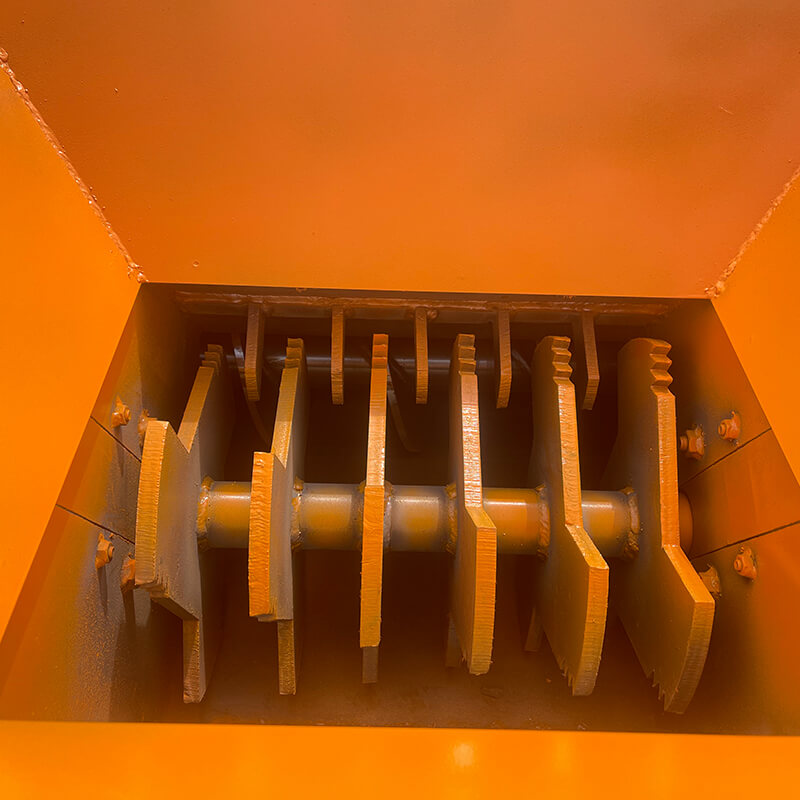
The following images provide additional visual reference for buyers comparing product structure, application value, and equipment details.


Sample Image Gallery