How to Choose a Plastic Recycling Pelletizer for PP, PE, HDPE, and LDPE: A B2B Buyer’s Guide
Introduction
Investing in a plastic recycling pelletizer (also called a plastic granulator) is a major decision for recycling plant owners, plastic processors, and purchasing managers. Whether you are recycling PP, PE, HDPE, or LDPE, the right machine ensures output stability, energy efficiency, and long-term profitability. This guide covers key selection criteria, maintenance tips, and supplier considerations to help you make an informed purchase.
Understanding Your Feedstock
Different plastics have different melting points and flow characteristics. For example, PP requires higher temperature control, while LDPE is softer and can be processed at lower temperatures. A versatile pelletizer should handle mixed waste streams, but dedicated configurations for specific materials yield better output quality. Discuss with your supplier the typical composition of your waste to ensure the screw design and filtration system are optimized.
Key Machine Selection Factors
1. Output Capacity and Stability
Match the machine’s hourly output (kg/h) to your daily processing volume. Look for models with variable frequency drives (VFD) to adjust screw speed and maintain consistent pellet size. Stable output reduces downstream quality issues.
2. Energy Efficiency
Energy costs are a significant operational expense. Choose machines with high-efficiency motors, insulated barrels, and energy-saving heating systems. Some modern pelletizers consume up to 20% less power than conventional models.
3. Filtration and Pellet Quality
Continuous screen changers or backflush filters minimize downtime during melt filtration. For dirty feedstocks, a double-stage filtration system is recommended. The pelletizing unit (strand, underwater, or hot-cut) affects pellet shape and drying efficiency.
Maintenance and Durability
Regular maintenance extends machine life. Key parts to check: screw and barrel wear, heating bands, gearbox oil, and screen packs. Request a maintenance schedule from the supplier. Machines with hardened screws and bimetallic barrels last longer when processing abrasive materials like filled PP.
Energy Saving and Environmental Compliance
Energy-efficient drives and heat recovery systems lower your carbon footprint. Ensure the machine meets local emission standards for noise and exhaust. Some suppliers offer integrated cooling water recycling to reduce water usage.
Warranty and After-Sales Support
A comprehensive warranty (typically 1-2 years) should cover major components. Check if the supplier has local service technicians or remote diagnostics. Spare parts availability is critical—ask about lead times for screws, barrels, and screens.
Supplier Service and Reputation
Choose suppliers with proven experience in plastic recycling. Request references from similar operations. A good supplier offers process optimization advice, training for operators, and commissioning support. Avoid suppliers that cannot provide detailed technical documentation or test reports.
Conclusion
Selecting the right plastic recycling pelletizer involves balancing output, energy use, maintenance needs, and supplier reliability. By evaluating your feedstock, prioritizing energy efficiency, and verifying after-sales support, you can invest in a machine that delivers consistent returns. Contact multiple suppliers, compare proposals, and if possible, visit operating plants to see the machines in action.
Product Image Gallery
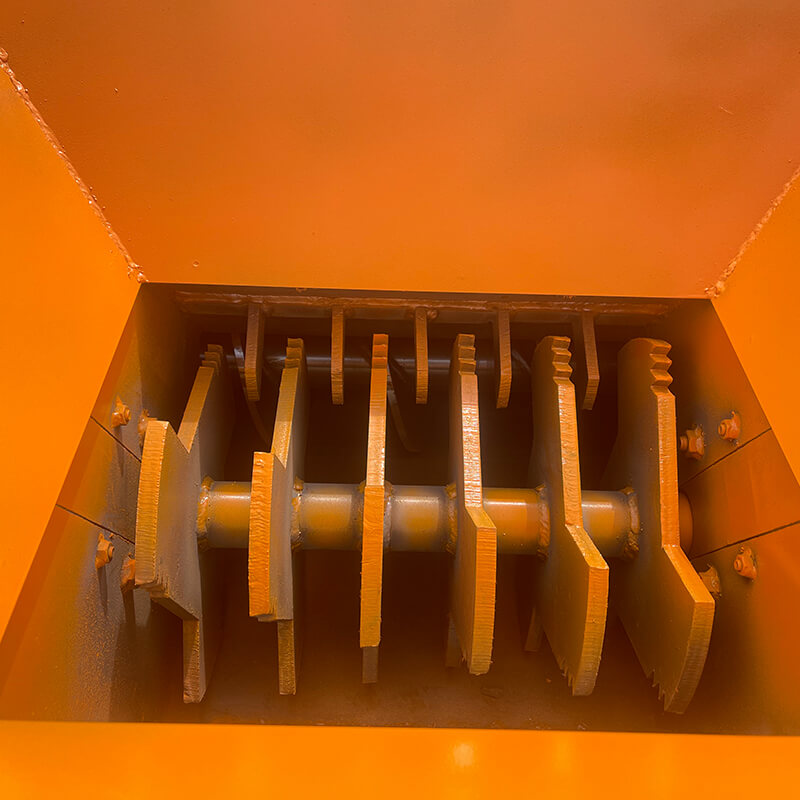
The following images provide additional visual reference for buyers comparing product structure, application value, and equipment details.


Sample Image Gallery