How to Choose the Right Plastic Recycling Pelletizer for PP, PE, HDPE, LDPE Waste
Understanding Plastic Recycling Pelletizers
Plastic recycling pelletizers (also called granulators) are essential machines for converting waste plastics into uniform pellets that can be reused in manufacturing. For B2B buyers dealing with PP, PE, HDPE, and LDPE, selecting the right pelletizer directly impacts output quality, operational costs, and long-term profitability.
Key Considerations for Pelletizer Selection
Material Compatibility
Different plastics require specific processing conditions. PP has a higher melting point (around 160-170°C) compared to PE (120-130°C). Ensure the pelletizer's screw design, temperature control, and filtration system are optimized for your target materials. For mixed waste streams, consider machines with robust degassing and filtration to handle contaminants.
Output Capacity and Stability
Evaluate your daily processing volume. Pelletizers range from 100 kg/h to over 1000 kg/h. Stability is crucial – look for features like PLC control, variable frequency drives, and automatic temperature regulation to maintain consistent pellet size and quality. Request output stability test reports from suppliers.
Energy Efficiency
Energy costs are a major operational expense. Modern pelletizers incorporate energy-saving technologies such as servo motors, insulated barrels, and optimized screw geometries. Compare specific energy consumption (kWh per kg) across models. A difference of 0.1 kWh/kg can save thousands annually.
Essential Machine Features
- Screw Design: Single-screw is common for most PE/PP applications; twin-screw offers better mixing for heavily contaminated feedstocks.
- Filtration System: Continuous screen changers (e.g., hydraulic or belt-type) minimize downtime. For dirty materials, consider backflush or melt pump systems.
- Pelletizing Cutter: Hot-cut (die-face) or cold-cut (strand) systems. Hot-cut is ideal for high-melt-strength materials like PP; cold-cut works well for PE.
- Automation: Touchscreen controls, remote monitoring, and alarm systems improve operational efficiency.
Maintenance and Reliability
Regular maintenance extends machine life. Look for accessible wear parts (screw, barrel, cutters) and suppliers offering quick replacement services. Ask about recommended spare parts kits and lubrication schedules. Machines with hardened bimetallic screws and barrels resist corrosion from aggressive plastics.
Warranty and Supplier Support
A comprehensive warranty (typically 12-24 months) is a sign of confidence. Beyond warranty, evaluate:
- Technical support: 24/7 remote assistance, on-site commissioning, and training for your team.
- Spare parts availability: Local warehouse or fast shipping.
- Process optimization: Some suppliers offer lab testing to fine-tune settings for your specific waste stream.
Application Scenarios
For a recycling plant processing post-consumer PE film, a high-throughput pelletizer with strong degassing and a melt filter is critical. For a plastic processor using in-house PP scrap, a compact machine with quick color change capability may suffice. Always match the machine to your feedstock quality and desired pellet specifications.
Conclusion
Investing in a plastic recycling pelletizer requires balancing upfront cost with long-term performance. Prioritize output stability, energy efficiency, and reliable supplier support. Request references from similar operations and consider a factory visit or trial run before purchase. The right machine will turn plastic waste into a valuable resource for years to come.
Product Image Gallery
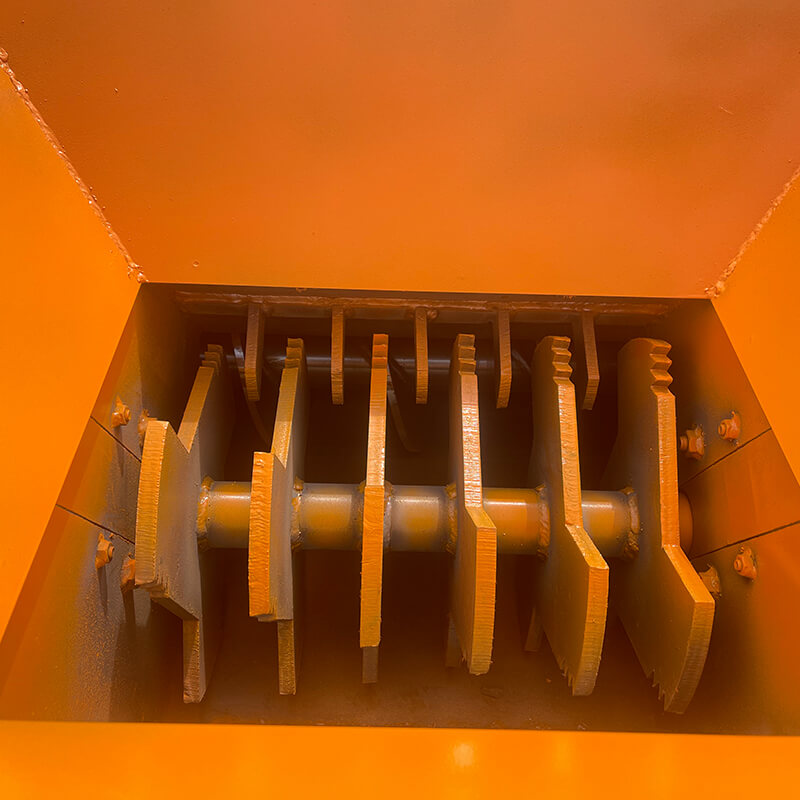
The following images provide additional visual reference for buyers comparing product structure, application value, and equipment details.


Sample Image Gallery