How to Choose a Plastic Recycling Pelletizer for PP, PE, HDPE, LDPE: A B2B Buyer’s Guide
Introduction
Investing in a plastic recycling pelletizer (also known as a plastic granulator) is a critical decision for recycling plants, plastic processors, and purchasing managers. The right machine transforms waste PP, PE, HDPE, and LDPE into high-quality pellets, directly impacting your output stability, operational costs, and profitability. This guide covers key factors to consider, from machine selection and maintenance to energy efficiency and supplier support.
Understanding Your Feedstock
Different plastics require different processing conditions. For example, PP and HDPE have higher melting points than LDPE. Ensure the pelletizer is designed for your specific materials. Multi-purpose machines can handle blends but may compromise efficiency. Always discuss your feedstock composition with the supplier.
Machine Selection Criteria
- Throughput capacity: Match the machine’s output (kg/h) to your daily processing volume. Oversizing wastes energy; undersizing causes bottlenecks.
- Cutting and pelletizing system: Die-face cutting, strand pelletizing, or underwater systems each suit different polymers. For PP/PE, strand pelletizing is common, while underwater systems offer better dust control.
- Automation level: Fully automated lines reduce labor costs but require higher upfront investment. Semi-automatic options are suitable for smaller operations.
- Wear resistance: Screws and barrels must be made of hardened alloys (e.g., nitrided steel) to withstand abrasive contaminants like fillers or metals.
Output Stability and Quality
Consistent pellet size, shape, and density are vital for downstream injection molding or extrusion. Look for features like precision temperature control, uniform screw design, and reliable cutter drives. Request test runs with your own material to verify output quality before purchase.
Energy Efficiency and Operating Costs
Energy consumption is a major ongoing expense. Modern pelletizers often include variable frequency drives (VFDs), insulated barrels, and optimized motor sizes. Compare specific energy consumption (kWh per kg) across models. Also consider cooling water consumption and waste heat recovery options.
Maintenance and Durability
Downtime is costly. Choose machines with easily accessible components, quick-change screen packs, and self-cleaning filters. Regular maintenance includes checking screw wear, bearing lubrication, and die plate condition. Ask suppliers for recommended spare parts lists and average service intervals.
Warranty and Supplier Service
A comprehensive warranty (typically 1-2 years) covers manufacturing defects. Verify what is included: labor, parts, and travel expenses. Evaluate the supplier’s local support network, response times, and availability of technical documentation. A reliable supplier offers training, commissioning assistance, and remote troubleshooting.
Application Scenarios
- Recycling plant: Process mixed post-consumer PP/PE film into granules for reuse in molding or compounding.
- Plastic processor: Recycle in-house scrap (e.g., HDPE bottles, LDPE film) back into production, reducing raw material costs.
- Waste management facility: Convert sorted plastic waste into saleable pellets for secondary markets.
Conclusion
Selecting the right plastic recycling pelletizer requires balancing technical specs, operational needs, and supplier reliability. Prioritize output stability, energy efficiency, and after-sales support to maximize your return on investment. Always request references and visit reference installations if possible.
Contact our team for a consultation tailored to your specific plastic recycling requirements.
Product Image Gallery
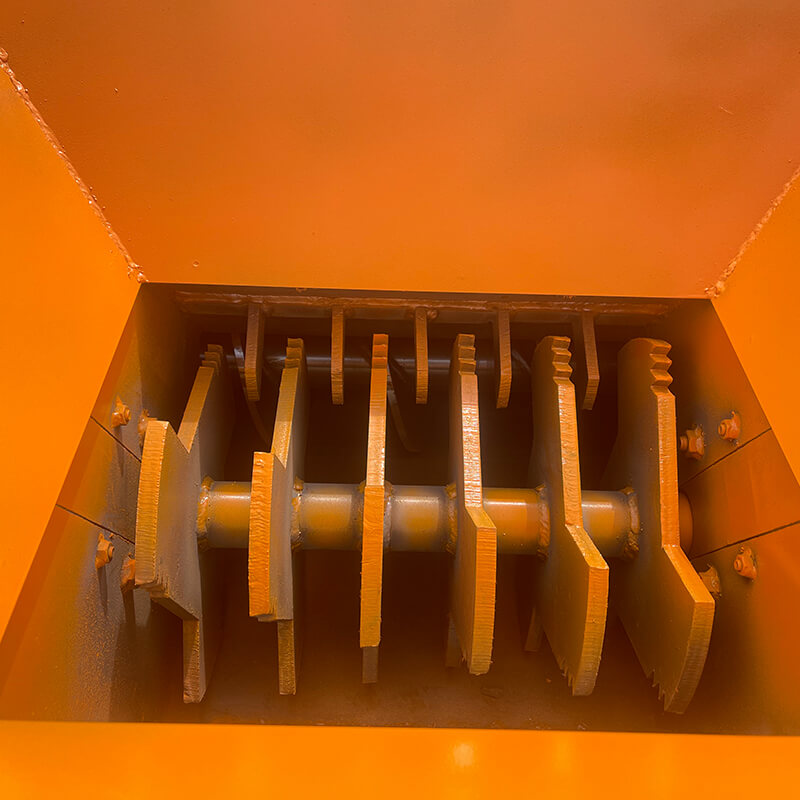
The following images provide additional visual reference for buyers comparing product structure, application value, and equipment details.


Sample Image Gallery