How to Choose a Plastic Recycling Pelletizer for PP, PE, HDPE, and LDPE Waste
Introduction
As global demand for recycled plastics grows, investing in a reliable plastic recycling pelletizer (also known as a plastic granulator) is critical for recycling plant owners, plastic processors, and purchasing managers. Whether you process PP, PE, HDPE, or LDPE waste, the right machine ensures high output quality, stable operation, and long-term profitability. This article provides practical buying advice, application scenarios, and key factors to consider when selecting a pelletizer.
Understanding Your Material and Application
Different plastic types require specific processing conditions. PP (polypropylene) and PE (polyethylene) have different melting points and flow characteristics. HDPE (high-density polyethylene) is stiffer, while LDPE (low-density polyethylene) is more flexible. Your pelletizer must be designed to handle the specific polymer and its contamination level. For example, post-consumer waste often contains labels, adhesives, and residual liquids, which may require a pre-washing system and a pelletizer with a robust filtration unit.
Key Machine Selection Criteria
- Output Stability: Look for machines with a steady screw design, high-quality gearbox, and precise temperature control to maintain consistent pellet size and avoid material degradation.
- Energy Efficiency: Modern pelletizers use servo motors or variable frequency drives to reduce power consumption by up to 30% compared to traditional models, lowering your operational costs.
- Maintenance Requirements: Easy-access screen changers, segmented screw barrels, and durable knife materials (e.g., tungsten carbide) minimize downtime. Check if the supplier offers spare parts locally.
- Warranty and Support: A comprehensive warranty (typically 1-2 years) and responsive after-sales service are essential. Ensure the supplier provides installation, training, and remote troubleshooting.
Application Scenarios
Recycling plants processing mixed post-industrial scrap (e.g., PP/PE film, HDPE bottles) benefit from pelletizers with dual-stage degassing and melt filtration to remove volatiles and contaminants. For processors of clean in-house scrap, a simpler single-stage unit may suffice. Pelletizers also vary by output: from 100 kg/h for small workshops to 2000 kg/h for large industrial lines. Match the capacity to your current volume and future expansion plans.
Product Value and Supplier Service
Beyond the machine, consider the total cost of ownership. A slightly higher initial investment in a well-built pelletizer often pays off through lower maintenance, longer service life, and higher resale value of recycled pellets. Reliable suppliers offer pre-sales material testing, customization (e.g., special screw geometries for high-filler content), and post-warranty service contracts. They should also provide documentation for CE or UL certification, which is crucial for export markets.
Conclusion
Choosing the right plastic recycling pelletizer requires careful evaluation of your material, output needs, and supplier capabilities. By focusing on output stability, energy saving, maintenance ease, and strong warranty support, you can make a sound investment that enhances your recycling operation's efficiency and profitability. Contact reputable suppliers to discuss your specific requirements and request a test run with your waste plastic.
Product Image Gallery
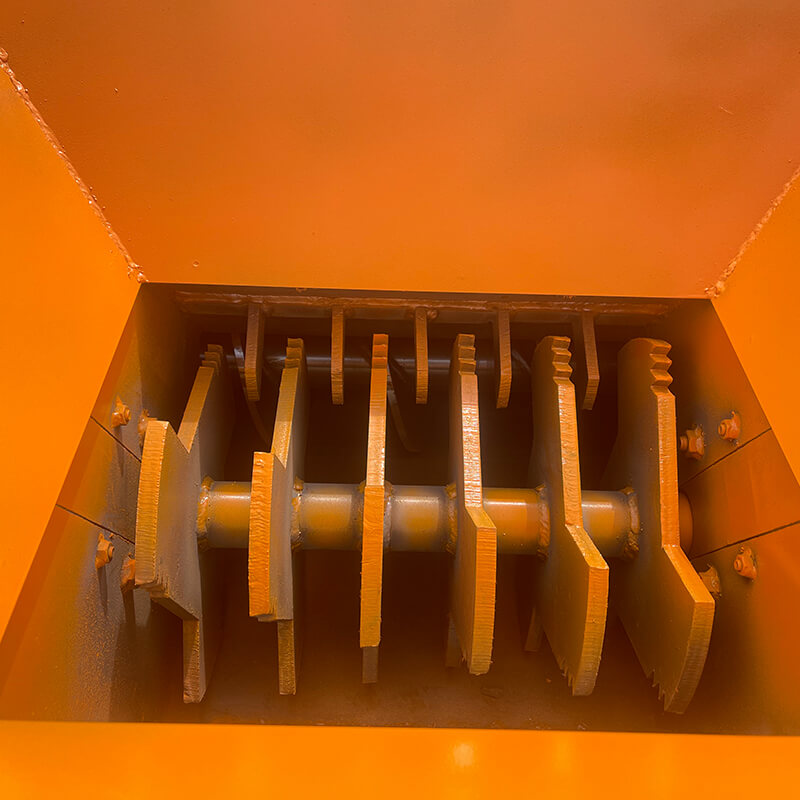
The following images provide additional visual reference for buyers comparing product structure, application value, and equipment details.


Sample Image Gallery