How to Choose a Plastic Recycling Pelletizer: A B2B Buyer’s Guide for PP, PE, HDPE & LDPE
Introduction
Investing in a plastic recycling pelletizer (also called a plastic granulator) is a major decision for any recycling plant, plastic processor, or purchasing manager. The right machine turns waste PP, PE, HDPE, or LDPE into high-quality pellets that can be sold or reused, directly impacting your profitability. This guide covers everything you need to know before buying, from machine selection to supplier support.
Understanding Your Feedstock
The first step is to identify the types of plastic waste you will process. PP (polypropylene), PE (polyethylene), HDPE (high-density polyethylene), and LDPE (low-density polyethylene) each have different melting points, densities, and contamination levels. A dedicated pelletizer for each polymer type is ideal, but multi-purpose machines with adjustable settings are available for mixed waste. Ensure the machine’s screw design, barrel length, and filtration system are compatible with your feedstock.
Key Machine Selection Criteria
Output Capacity and Stability
Choose a pelletizer that matches your daily throughput. Look for continuous operation capability and consistent pellet quality. Machines with servo motors and PLC controls offer better output stability. Ask the supplier for test reports on your specific material.
Energy Efficiency
Energy costs are a significant operational expense. Modern pelletizers use energy-saving motors, insulated barrels, and optimized screw designs to reduce power consumption. Compare the kWh per kg of output among different models.
Maintenance and Durability
Check the quality of components: screws and barrels should be made of wear-resistant alloys (e.g., nitrided steel or bimetallic). Easy-access screens and quick-change die heads reduce downtime. Request a maintenance schedule and spare parts list.
Machine Configurations
- Single-Stage Pelletizer: Suitable for clean, pre-shredded waste. Lower cost but may struggle with high contamination.
- Two-Stage Pelletizer: Includes a degassing zone to remove moisture and volatiles, ideal for washed or mixed scrap.
- Strand vs. Underwater Pelletizing: Strand cutters are common for PP/PE; underwater systems produce uniform pellets and reduce dust.
Practical Buying Advice
Always request a factory test run with your own material. Verify the pelletizer’s compliance with local electrical and safety standards. Consider the total cost of ownership: purchase price, installation, training, and after-sales support. A reputable supplier should offer at least a one-year warranty and remote troubleshooting.
Application Scenarios
Recycling plants often use pelletizers to convert post-consumer packaging (LDPE film, HDPE bottles) into pellets for injection molding or extrusion. Plastic processors buy pellets to reduce raw material costs. For example, a PP pelletizer can turn rejected automotive parts into feedstock for new components, while a PE line processes agricultural film into construction-grade pellets.
Supplier Service and Support
Choose a supplier with a proven track record in your region. Look for: on-site installation guidance, operator training, spare parts availability, and technical support via phone or video. Some suppliers offer performance guarantees and buy-back programs for defective pellets. Read reviews and ask for references from similar plants.
Conclusion
Selecting the right plastic recycling pelletizer requires careful analysis of your material, desired output, and budget. Prioritize quality, energy efficiency, and reliable service. A well-chosen machine will deliver consistent returns for years.
Product Image Gallery
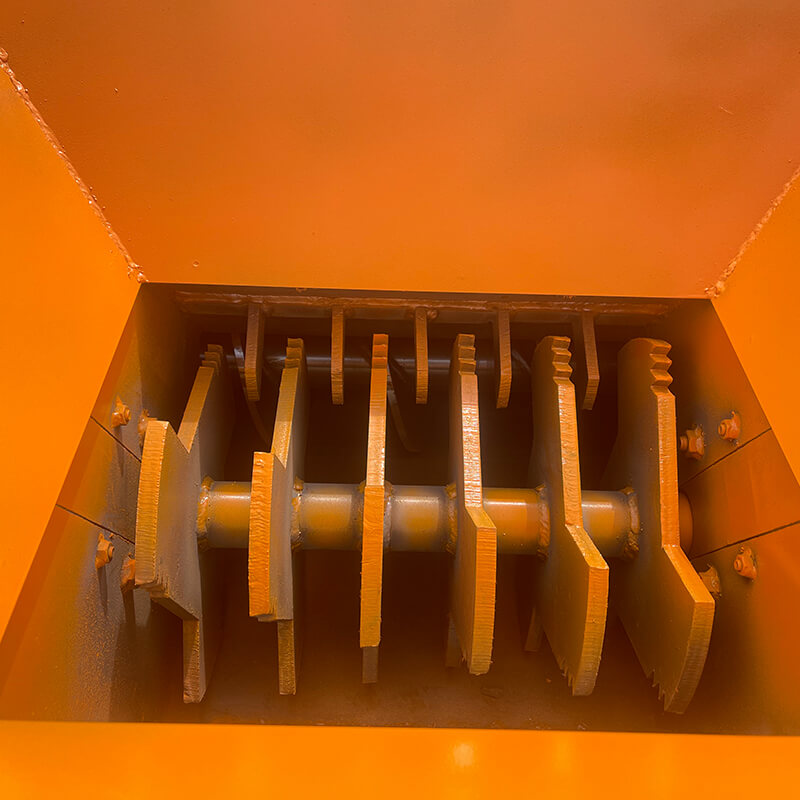
The following images provide additional visual reference for buyers comparing product structure, application value, and equipment details.


Sample Image Gallery