How to Choose the Right Plastic Recycling Pelletizer for PP, PE, HDPE, and LDPE Waste
Introduction
As the global demand for recycled plastics grows, investing in a high-quality plastic recycling pelletizer (also known as a plastic granulator) is critical for recycling plant owners, plastic processors, and purchasing managers. This guide covers key factors for selecting the right machine for PP, PE, HDPE, and LDPE waste, ensuring output stability, energy efficiency, and reliable supplier service.
Understanding Your Material and Output Requirements
Different plastic types require specific machine configurations. For example:
- PP (Polypropylene): Often requires higher temperature control and a dedicated screw design to prevent degradation.
- PE (Polyethylene) including HDPE and LDPE: These materials have lower melting points but can vary in viscosity; a vented extruder helps remove moisture and volatiles.
Determine your target output per hour (e.g., 200-500 kg/h for small to medium plants) and the final pellet size required for downstream applications.
Key Machine Selection Criteria
1. Output Stability and Consistency
Look for a pelletizer with a robust gearbox, precise temperature control, and a consistent feeding system. Machines with AC or servo drives offer better torque control and energy savings. Ask suppliers for continuous run tests to verify output stability over 8-12 hours.
2. Energy Efficiency
Energy consumption is a major operating cost. Modern pelletizers with energy-saving motors, insulated barrels, and optimized screw designs can reduce power usage by 15-30%. Request specific kWh/kg data from suppliers.
3. Maintenance and Durability
Easy access to screw, barrel, and die head for cleaning and replacement is essential. Hardened steel components and replaceable wear parts extend machine life. Check if the supplier provides spare parts kits and local support.
4. Warranty and After-Sales Service
A standard warranty of 12-24 months is common. Ensure the supplier offers remote troubleshooting, onsite installation guidance, and a stock of critical spare parts. Ask about training for your operators.
Application Scenarios and Value
Pelletizers are used in various recycling lines: from post-consumer waste (like film and bottles) to industrial scrap. A well-chosen machine can produce high-quality pellets that command premium prices in the market. For example, a recycling plant processing mixed PE film can achieve pellets suitable for blow molding or injection molding with proper filtration and degassing.
Supplier Service and Support
When evaluating suppliers, consider:
- Track record of similar projects
- Ability to customize machine for your specific feed material
- Response time for technical inquiries
- Shipping and installation logistics
Request references and, if possible, visit a running installation or attend a factory test.
Conclusion
Selecting the right plastic recycling pelletizer involves balancing material characteristics, output requirements, energy efficiency, and supplier reliability. By focusing on these factors, you can secure a machine that delivers consistent, high-quality pellets and strong return on investment.
Product Image Gallery
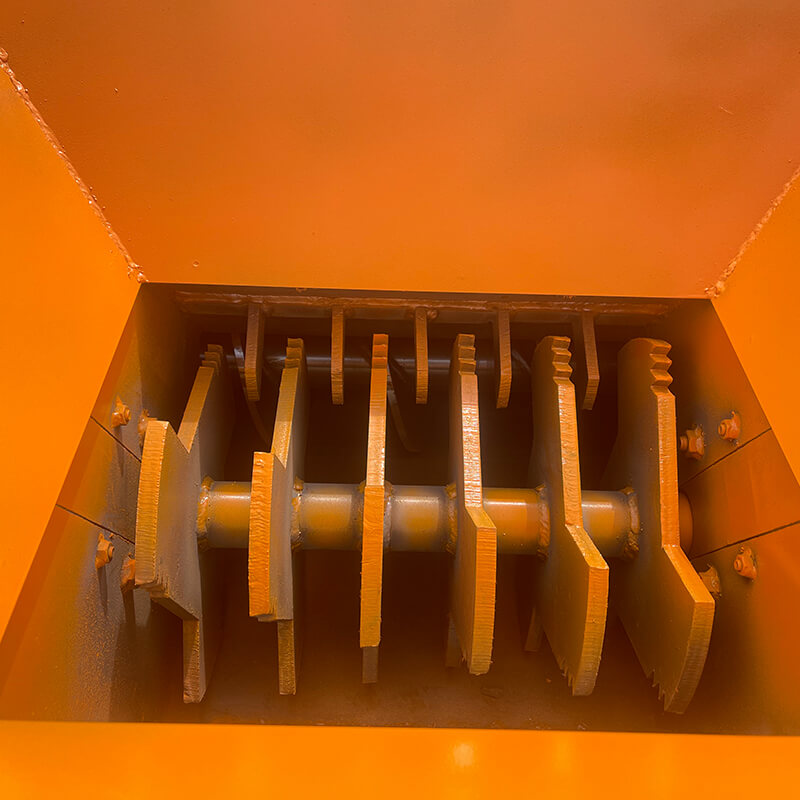
The following images provide additional visual reference for buyers comparing product structure, application value, and equipment details.


Sample Image Gallery