How to Choose the Right Plastic Recycling Pelletizer for PP, PE, HDPE, and LDPE Waste
Introduction
As the global demand for recycled plastics grows, investing in a high-quality plastic recycling pelletizer (also known as a plastic granulator) is critical for recycling plants and plastic processors. Whether you handle PP, PE, HDPE, or LDPE waste, the right machine ensures stable output, energy efficiency, and long-term profitability. This guide covers key selection criteria, maintenance tips, and supplier considerations for B2B buyers.
Understanding Your Material and Application
Different polymers require specific processing conditions. PP and HDPE have higher melting points (160-170°C) and need robust screw designs, while LDPE and LLDPE are softer and demand gentle handling to avoid degradation. For mixed waste, a machine with interchangeable screens and adjustable temperature zones is essential. Always request a material test from your supplier to verify output stability and pellet quality before purchase.
Key Machine Selection Criteria
- Output Capacity: Match the machine’s hourly throughput (kg/h) to your waste volume. For small plants, 200-500 kg/h is common; large operations may need 1000+ kg/h.
- Screw and Barrel Design: Single-screw extruders are standard for most applications. For high-output or contaminated feed, consider a twin-screw or vented barrel design to remove volatiles.
- Energy Efficiency: Look for servo-driven motors and insulated barrels. Energy consumption should be ≤0.35 kWh per kg of pellets for modern machines.
- Pelletizing System: Strand pelletizing is cost-effective for most recyclers; underwater pelletizing reduces dust and is ideal for high-melt-flow materials.
Output Stability and Quality Control
Stable output depends on consistent feed, precise temperature control, and reliable cutter speed. Insist on a PLC-based control system that monitors melt pressure, motor load, and cooling water temperature. Ask about the machine’s ability to handle variations in moisture and contamination—critical for post-consumer waste.
Maintenance and Longevity
Regular maintenance extends machine life. Key points:
- Clean screen changers daily to prevent blockages.
- Check screw and barrel wear every 6 months (hardfacing or bimetallic liners can triple lifespan).
- Lubricate bearings and gearboxes per manufacturer schedule.
- Keep spare parts (screens, knives, heaters) in stock.
Energy Saving and Environmental Compliance
Modern pelletizers incorporate energy-saving features: variable frequency drives (VFDs), efficient heating coils, and heat recovery systems. Ask for energy consumption data per ton of output. Also ensure the machine meets local emission standards for noise and exhaust (e.g., EU CE or US EPA requirements).
Warranty and Supplier Service
For B2B purchases, warranty terms are non-negotiable. Look for:
- At least 12 months on main components, 24 months on motors.
- On-site installation and training included.
- Free remote technical support for the first year.
- Availability of spare parts within 48 hours.
Conclusion
Choosing the right plastic recycling pelletizer involves balancing material characteristics, output needs, energy costs, and after-sales support. By focusing on these factors, you can secure a machine that delivers consistent, high-quality pellets and a strong return on investment. Contact multiple suppliers, request detailed proposals, and always test with your own material.
Product Image Gallery
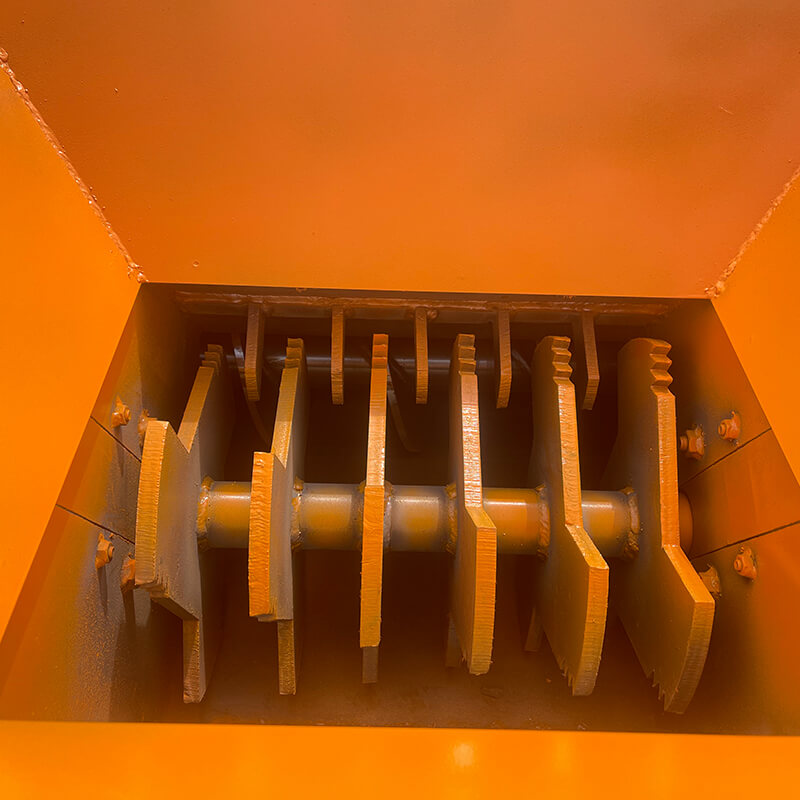
The following images provide additional visual reference for buyers comparing product structure, application value, and equipment details.


Sample Image Gallery