How to Choose the Right Plastic Recycling Pelletizer for PP, PE, HDPE, and LDPE Waste
Introduction
Plastic recycling is a critical part of the circular economy, and choosing the right pelletizer (granulator) is key to turning waste PP, PE, HDPE, and LDPE into valuable raw materials. This guide provides practical advice for B2B buyers, recycling plant owners, and purchasing managers on selecting a machine that ensures output stability, energy efficiency, and long-term reliability.
Understanding Your Feedstock
Different plastics require different processing conditions. PP (polypropylene) and PE (polyethylene) have lower melting points, while HDPE (high-density polyethylene) and LDPE (low-density polyethylene) have distinct flow characteristics. A good pelletizer should handle mixed waste streams with minimal adjustments. Look for machines with adjustable temperature zones and screw designs that accommodate both rigid and film materials.
Key Machine Selection Criteria
1. Output Stability
Consistent pellet quality directly impacts your product's market value. Choose a pelletizer with a robust cutter design, precise temperature control, and a reliable feeding system. Features like hydraulic screen changers and automatic pellet cooling help maintain uniform output.
2. Energy Efficiency
Energy costs are a major operational expense. Modern pelletizers use energy-saving motors, optimized screw geometries, and insulated barrels to reduce power consumption. Ask suppliers for specific kWh per kg data for your target materials.
3. Maintenance and Durability
Downtime is expensive. Select machines with easy-access cutting chambers, hardened steel blades, and corrosion-resistant components. Regular maintenance intervals should be simple, with readily available spare parts. Some suppliers offer remote diagnostics and on-site training.
Application Scenarios
- Post-industrial waste: Clean scrap from manufacturing is ideal for direct pelletizing with minimal pre-processing.
- Post-consumer waste: Requires robust shredding, washing, and drying systems before pelletizing. Choose a line with integrated dewatering and melt filtration.
- Mixed plastic recycling: For processing blends of PP/PE, a pelletizer with effective degassing and filtration is essential to remove contaminants.
Supplier Service and Warranty
Evaluate suppliers based on their experience in your region and material type. A comprehensive warranty (typically 1-2 years) covering major components like the motor, gearbox, and screw is standard. Look for suppliers offering:
- Installation and commissioning support
- Operator training
- 24/7 technical hotline
- Local spare parts stock
Conclusion
Investing in the right plastic recycling pelletizer is a long-term decision. Prioritize output stability, energy efficiency, and supplier support to ensure a profitable and sustainable operation. Request a test run with your specific materials before purchasing, and compare total cost of ownership including maintenance and power consumption.
Product Image Gallery
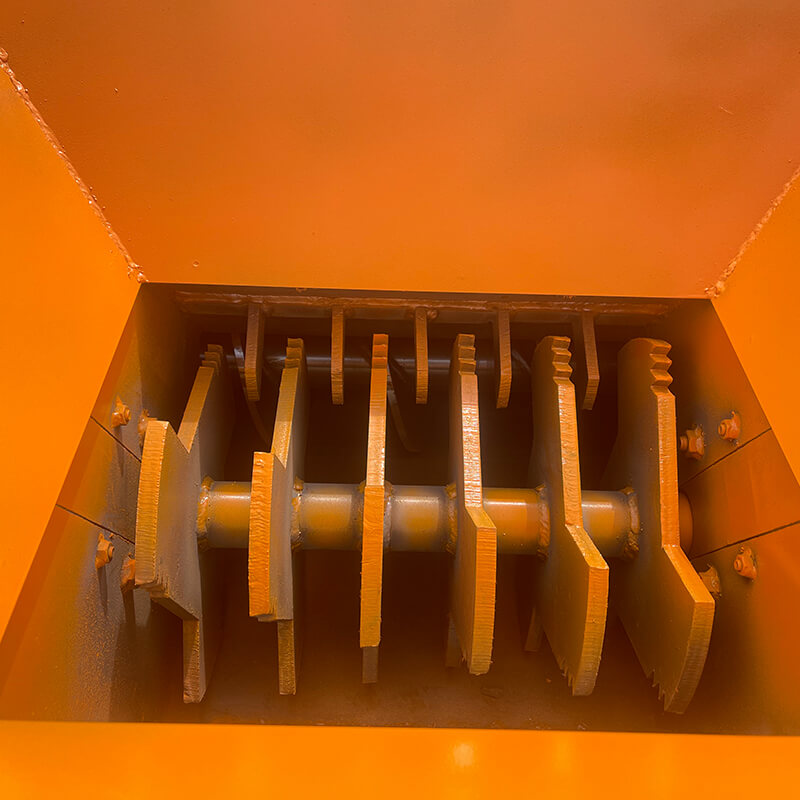
The following images provide additional visual reference for buyers comparing product structure, application value, and equipment details.


Sample Image Gallery