How to Choose a Plastic Recycling Pelletizer for PP, PE, HDPE, LDPE: A B2B Buyer’s Guide
Introduction
As a recycling plant owner or plastic processor, investing in a plastic granulator (pelletizer) is a critical decision. Whether you handle PP, PE, HDPE, or LDPE waste, the right machine ensures output stability, energy efficiency, and long-term profitability. This guide covers key factors for B2B buyers.
Understanding Your Material
Different plastics require different processing conditions. PP and HDPE have higher melting points than LDPE, while mixed waste may need additional filtration. Always test your feedstock with the supplier to confirm compatibility.
Machine Selection Criteria
- Throughput: Match capacity (kg/h) to your daily waste volume. Over-sizing wastes energy; under-sizing causes bottlenecks.
- Screw Design: Single-screw is common for most PE/PP. Twin-screw offers better mixing for multi-material blends.
- Heating/Cooling: Energy-efficient electric heating with water or air cooling reduces costs.
- Filtration: Automatic screen changers minimize downtime when processing contaminated scrap.
Output Stability and Pellet Quality
Uniform pellet size and shape improve downstream processing. Look for machines with precise temperature control, consistent cutter speed, and reliable die-face cutting. Ask for test runs with your own material to verify output.
Maintenance and Energy Saving
Choose a pelletizer with easy-access components for cleaning and part replacement. Inverter-driven motors and insulated barrels reduce power consumption by up to 30%. Regular maintenance includes lubricating bearings, checking screen condition, and monitoring gearbox oil.
Warranty and Supplier Service
A standard warranty covers 1-2 years for mechanical parts. Ensure the supplier offers remote troubleshooting, spare parts availability, and on-site installation support. Request references from similar recycling plants in your region.
Application Scenarios
For a PE film recycling line, a dedicated LDPE pelletizer with forced feeding and degassing is ideal. For mixed rigid plastics (HDPE/PP), a robust machine with wear-resistant screws and dual filtration handles impurities better.
Conclusion
Selecting the right plastic granulator involves balancing material type, throughput, energy efficiency, and after-sales support. Visit supplier factories, request demos, and prioritize long-term reliability over upfront cost.
Product Image Gallery
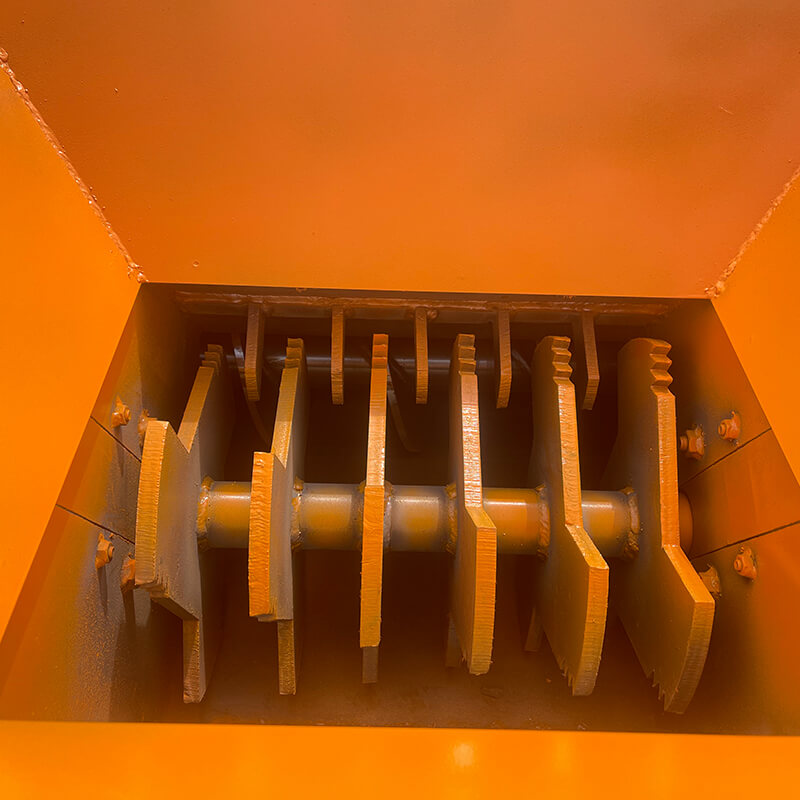
The following images provide additional visual reference for buyers comparing product structure, application value, and equipment details.


Sample Image Gallery