How to Choose a Plastic Recycling Pelletizer for PP, PE, HDPE, and LDPE Waste
Introduction
As the global demand for recycled plastics grows, investing in a reliable plastic pelletizer (granulator) is critical for recycling plants and plastic processors. This guide covers key factors for selecting the right machine for PP, PE, HDPE, and LDPE waste, focusing on output stability, energy efficiency, maintenance, and supplier support.
Understanding Plastic Pelletizers
A plastic pelletizer converts waste plastic into uniform pellets, which can be reused in manufacturing. Different polymers require specific machine configurations:
- PP (Polypropylene): Often requires higher temperature control and gentle cutting to avoid degradation.
- PE (Polyethylene) – HDPE and LDPE: Commonly processed with underwater or strand pelletizing systems; LDPE needs careful melt filtration due to contaminants.
Key Selection Criteria
1. Output Stability
Consistent pellet size and shape are vital for downstream processing. Look for machines with:
- Precise screw design and temperature control
- Robust die-face cutting mechanisms
- Automated feeding systems to prevent fluctuations
2. Energy Efficiency
Energy costs are a major operational expense. Consider:
- High-efficiency motors and drives
- Insulated barrels to reduce heat loss
- Variable frequency drives (VFDs) for optimized power use
- Integrated heat recovery systems
3. Maintenance and Durability
Downtime impacts profitability. Choose pelletizers with:
- Easy-access cutting chambers and screens
- Hardened steel components for wear resistance
- Quick-change die plates to reduce changeover time
- Comprehensive spare parts availability
4. Application Scenarios
- Recycling Plant Owner: High-throughput, continuous operation machines with automated sorting and cleaning integration.
- Plastic Processor: Versatile pelletizers that handle multiple polymers and produce high-purity pellets for injection molding or extrusion.
- Purchasing Manager: Focus on total cost of ownership, including energy consumption, maintenance intervals, and warranty terms.
Supplier Service and Support
A reliable supplier is as important as the machine itself. Evaluate:
- Warranty: Look for at least 1-2 years covering major components.
- Technical Support: Remote diagnostics, on-site installation, and training.
- After-Sales Service: Spare parts availability, maintenance contracts, and process optimization advice.
- References: Request case studies or contact existing customers in your region.
Conclusion
Selecting the right plastic pelletizer requires balancing technical specifications, operational costs, and supplier reliability. By prioritizing output stability, energy efficiency, and robust maintenance features, you can maximize your recycling ROI. Always partner with a supplier that offers comprehensive support to ensure long-term success.
Product Image Gallery
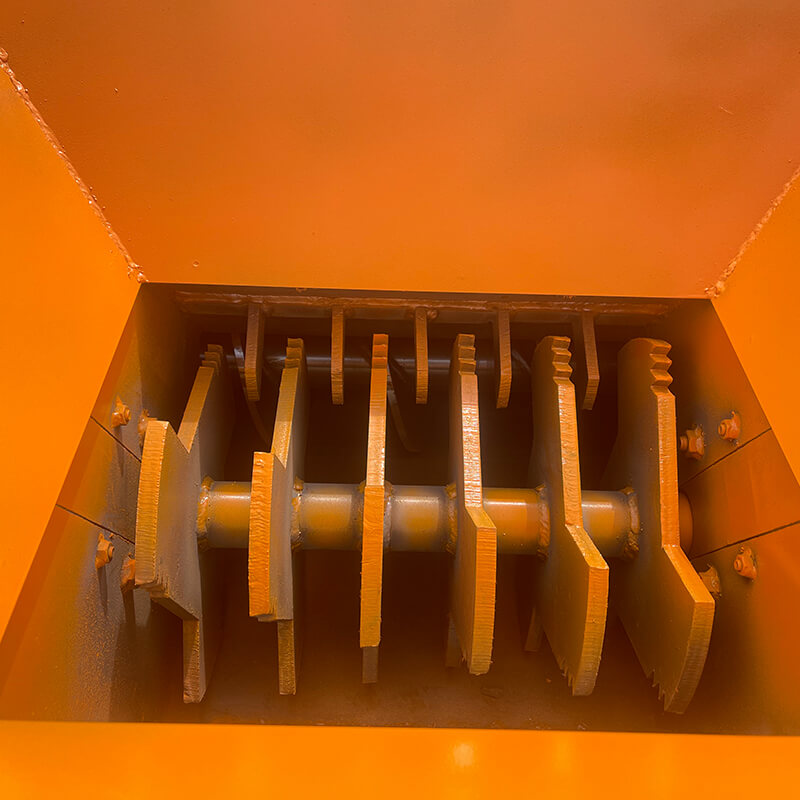
The following images provide additional visual reference for buyers comparing product structure, application value, and equipment details.


Sample Image Gallery