How to Choose a Plastic Recycling Pelletizer for PP, PE, HDPE, and LDPE: A Buyer’s Guide
Introduction
As a B2B buyer in the plastic recycling industry, selecting the right pelletizer or granulator is critical to your operation’s profitability. Whether you process PP, PE, HDPE, or LDPE waste, the machine you choose directly impacts output quality, energy consumption, and long-term maintenance costs. This guide provides practical advice to help you make an informed decision.
Understanding Your Material
Different plastics have distinct melting points, shrinkage rates, and contamination profiles. For example:
- PP (Polypropylene): Higher melting point (~160-170°C), tends to degrade if overheated. Requires precise temperature control.
- PE (Polyethylene): Lower melting point (~120-130°C), but can be sticky. Proper cooling and cutting are essential.
- HDPE: More rigid, good for pipe and bottle recycling. Needs robust cutting blades.
- LDPE: Flexible and soft, often used in film recycling. Requires a specially designed screw and die.
Always test your material with the supplier before purchase. A reputable manufacturer will offer sample processing to verify pellet quality.
Key Machine Selection Criteria
1. Output Stability
Look for a pelletizer with a consistent throughput. Features such as a PLC control system, variable frequency drive (VFD), and a high-torque gearbox ensure steady production even with fluctuating feed rates. Ask for output data under different conditions.
2. Energy Efficiency
Energy costs are a major operational expense. Modern machines with servo motors, insulated barrels, and optimized screw designs can reduce power consumption by 20-30%. Compare kWh per ton figures across suppliers.
3. Maintenance and Durability
Downtime is costly. Choose a pelletizer with accessible components, such as quick-change screens and easy-to-clean die plates. Wear-resistant alloys (e.g., D2 tool steel for blades) extend service life. Request a maintenance schedule and spare parts list.
4. Pellet Quality
Uniform pellet size and shape affect downstream processing. Check the cutting system: hot-cut, cold-cut, or underwater pelletizing. For PP/PE, hot-cut is common but requires careful water temperature control. Underwater systems offer better dust reduction.
Application Scenarios
- Film Recycling (LDPE): Look for a pelletizer with a degassing vent to remove volatiles and a screen changer to filter contaminants.
- Bottle Recycling (HDPE): Ensure the machine can handle washed flake with residual labels. A heavy-duty cutter compactor may be needed.
- Mixed Waste: If you process multiple polymers, consider a machine with adjustable screw speed and temperature zones.
Supplier Support and Warranty
A reliable supplier offers more than just a machine. Key questions to ask:
- Warranty: Standard is 12 months on mechanical parts. Some offer extended warranties for an extra cost.
- Installation and Training: Does the supplier provide on-site commissioning and operator training?
- After-Sales Service: Availability of spare parts, remote troubleshooting, and local service engineers.
- Certifications: CE, ISO, etc. Ensure compliance with your local regulations.
Request references from existing customers in similar applications. A site visit (virtual or physical) can reveal real-world performance.
Cost Considerations
While upfront price is important, calculate total cost of ownership (TCO): machine cost + energy + maintenance + spare parts over 5 years. A cheaper machine may have higher energy consumption and frequent breakdowns. Invest in quality to maximize ROI.
Conclusion
Choosing the right plastic recycling pelletizer requires careful analysis of your material, desired output, and supplier capabilities. Focus on stability, energy efficiency, and robust support. By following this guide, you can select a machine that delivers consistent pellets and long-term value for your recycling business.
Product Image Gallery
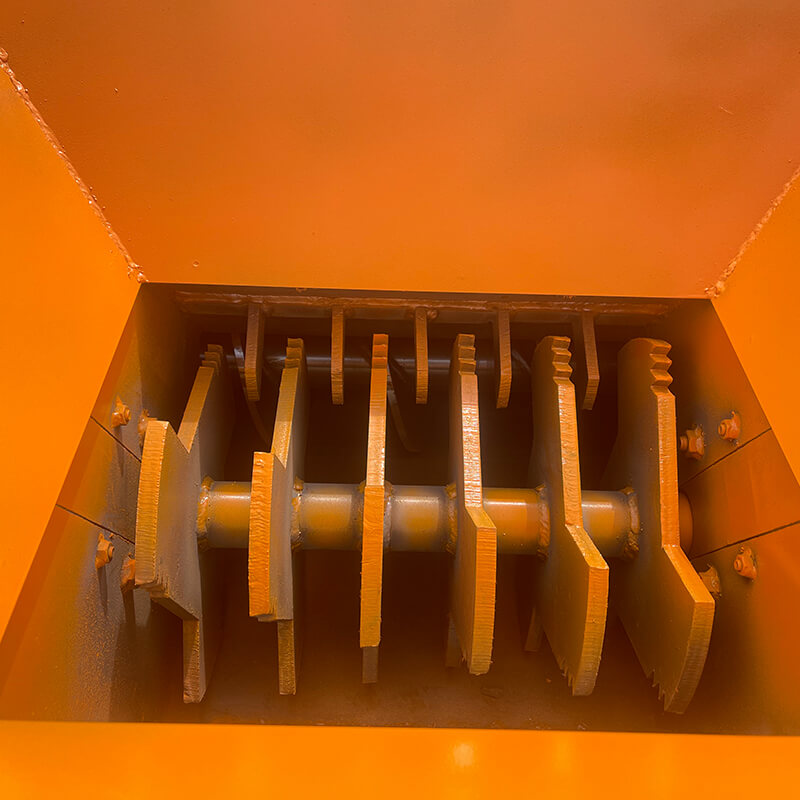
The following images provide additional visual reference for buyers comparing product structure, application value, and equipment details.


Sample Image Gallery