How to Choose a Plastic Recycling Pelletizer for PP, PE, HDPE, and LDPE: A Buyer’s Guide
Introduction
If you are in the plastic recycling industry, investing in the right pelletizer is critical for converting waste plastics into high-quality pellets. This guide is designed for overseas B2B buyers, recycling plant owners, plastic processors, and purchasing managers who need to select a reliable machine for processing PP, PE, HDPE, and LDPE. We cover key factors such as output stability, energy efficiency, maintenance, warranty, and supplier service to help you make an informed decision.
Understanding Your Feedstock
Different plastics have different melting points, flow properties, and contamination levels. PP and PE (including HDPE and LDPE) are common but require specific screw designs and temperature control. For example, LDPE is softer and may need a gentle screw to avoid degradation, while HDPE is more rigid. Ensure the pelletizer you choose is compatible with the specific polymer blend you process.
Key Machine Parameters
When evaluating a plastic granulator or pelletizer, consider the following:
- Throughput: Match the machine capacity (kg/h) to your daily processing volume. Oversized machines waste energy; undersized ones create bottlenecks.
- Screw Design: Look for a screw with proper compression ratio and mixing elements to ensure uniform melting and degassing.
- Heating and Cooling: Efficient heating zones with PID control and adequate cooling (air or water) prevent overheating and ensure pellet quality.
- Die Face Cutter: For underwater or strand pelletizing, choose a cutter material (e.g., tungsten carbide) that withstands abrasive contaminants.
Output Stability and Pellet Quality
Stable output is essential for consistent pellet size and shape. Factors affecting stability include motor power, gearbox quality, and screw speed control. A variable frequency drive (VFD) allows you to adjust speed for different materials. Pellet quality (uniformity, density, and absence of fines) directly impacts your product value. Request sample runs with your own material before purchase.
Energy Saving and Operational Costs
Energy consumption is a major operating expense. Look for machines with energy-efficient motors (IE3 or IE4), insulated barrels, and optimized screw geometry. Some suppliers offer heat recovery systems or direct-drive designs that reduce power loss. Calculate the total cost of ownership, including electricity, spare parts, and labor.
Maintenance and Durability
Downtime is costly. Choose a pelletizer built with hardened steel components, easy-access panels, and quick-change filter screens. Regular maintenance tasks like screw cleaning, bearing lubrication, and cutter blade replacement should be straightforward. Ask about the availability of spare parts and local service support.
Warranty and Supplier Service
A comprehensive warranty (typically 1-2 years) covers defects in materials and workmanship. However, what matters more is after-sales service: technical support, remote troubleshooting, and on-site installation assistance. Verify that the supplier has a local agent or service network in your region. Read customer reviews and request references from similar recycling operations.
Application Scenarios
Pelletizers are used in various settings:
- Recycling plants: Processing post-consumer or post-industrial waste into pellets for reuse.
- Compounding facilities: Adding additives or fillers to virgin or recycled resins.
- In-house scrap reprocessing: Manufacturers recycling their own production waste to reduce material costs.
Each scenario demands specific features. For example, a plant handling heavily contaminated waste may need a robust filtration system and a vented barrel to remove volatiles.
Conclusion
Selecting the right plastic recycling pelletizer is a strategic decision that affects your production efficiency and product quality. Prioritize machines that offer stable output, energy savings, easy maintenance, and strong supplier support. Test the equipment with your materials, compare warranties, and choose a partner who understands your business. By doing so, you will maximize your return on investment and contribute to a circular economy.
Product Image Gallery
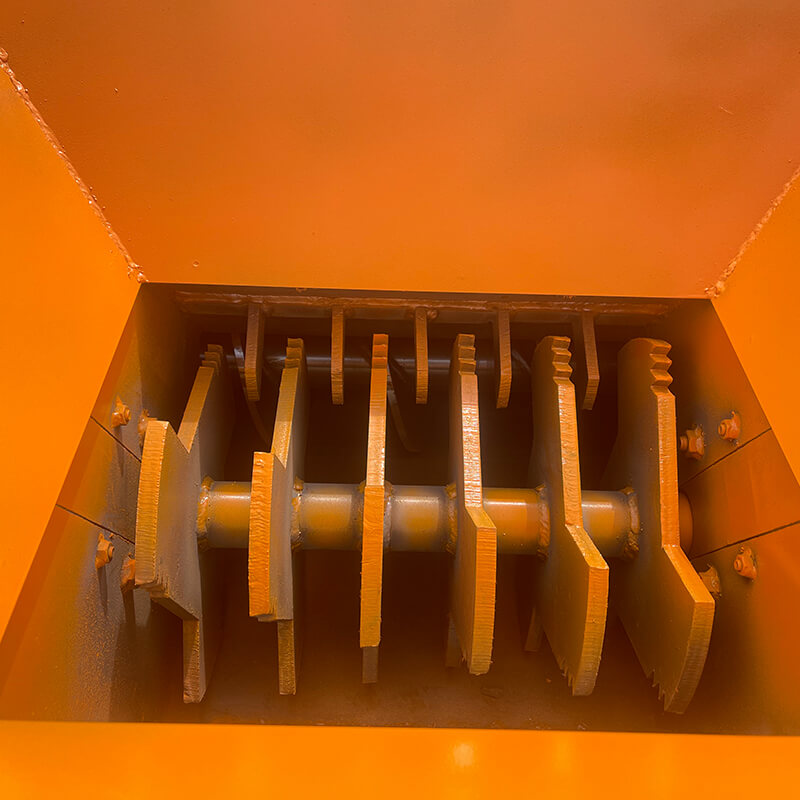
The following images provide additional visual reference for buyers comparing product structure, application value, and equipment details.


Sample Image Gallery