How to Choose a Plastic Recycling Pelletizer for PP, PE, HDPE, and LDPE: A B2B Buyer's Guide
Introduction
As the global demand for recycled plastics grows, investing in the right plastic recycling pelletizer (also known as a plastic granulator) is critical for B2B buyers, recycling plant owners, and plastic processors. This guide covers key factors for pelletizing PP, PE, HDPE, and LDPE, ensuring output stability, energy efficiency, and long-term reliability.
Understanding Pelletizer Types for Different Polymers
Different waste plastics require specific machine configurations:
- PP (Polypropylene): Often requires a dedicated screw design to handle its semi-crystalline nature and high melt flow index. Look for a pelletizer with efficient cooling and cutting systems.
- PE (Polyethylene) – HDPE and LDPE: HDPE is more rigid and requires higher torque, while LDPE is softer and may need a different cutter design. Dual-stage filtration and degassing are recommended for mixed waste.
Key Selection Criteria for Pelletizers
1. Output Stability and Capacity
Evaluate the machine's throughput in kg/h for your target polymer. Consistent output depends on screw design, motor power, and temperature control. Request test data for your specific material blend.
2. Energy Efficiency
Energy consumption is a major operational cost. Look for pelletizers with variable frequency drives (VFD), insulated barrels, and high-efficiency motors. Compare specific energy consumption (kWh/kg) across suppliers.
3. Maintenance and Wear Resistance
Waste plastics often contain contaminants. Choose a pelletizer with hardened screw and barrel materials, easy-access filtration screens, and quick-change cutter blades. Ask about recommended maintenance schedules and spare parts availability.
4. Warranty and Supplier Service
Reliable suppliers offer at least a 12-month warranty and local technical support. Check for remote monitoring capabilities, training programs, and after-sales service response times.
Application Scenarios
- Small Recycling Plants: Compact, single-stage pelletizers with manual screen changers are cost-effective.
- Large Processors: Multi-stage systems with automatic filtration, melt pumps, and underwater pelletizing for high purity and output.
- Mixed Waste Handling: Machines with robust shredding, washing, and drying pre-treatment lines.
Product Value and ROI
A well-chosen pelletizer reduces contamination, improves pellet quality, and increases resale value. Calculate payback period based on throughput, power savings, and reduced downtime.
Conclusion
Choosing the right plastic recycling pelletizer requires balancing machine specs with your material type, scale, and long-term support needs. Partner with a supplier who understands PP, PE, HDPE, and LDPE processing and provides transparent performance data.
Product Image Gallery
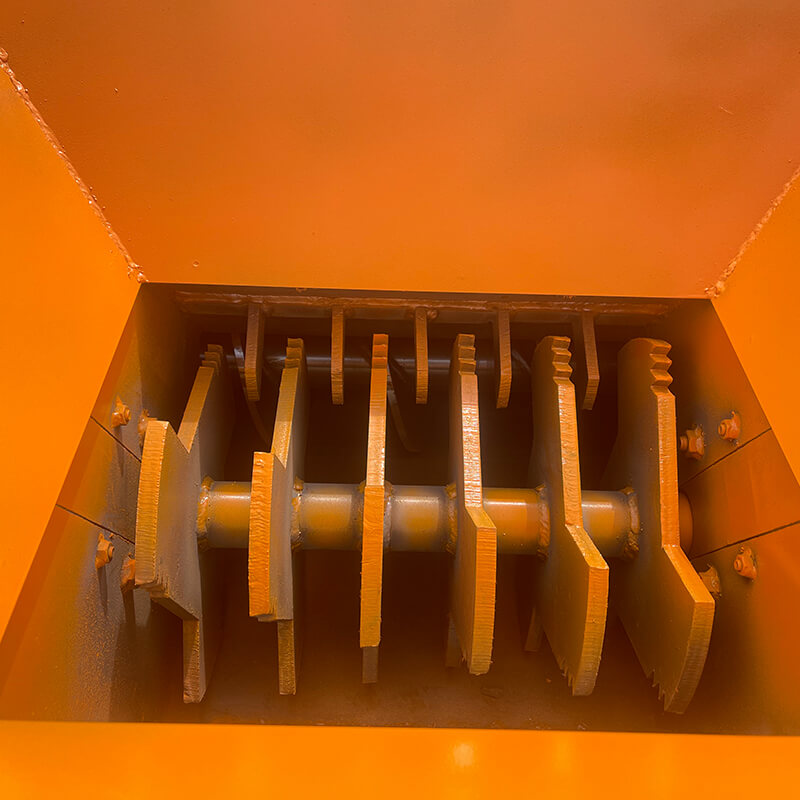
The following images provide additional visual reference for buyers comparing product structure, application value, and equipment details.


Sample Image Gallery