How to Choose the Right Plastic Recycling Pelletizer for PP, PE, HDPE, LDPE Waste
Why Your Recycling Line Needs the Right Pelletizer
For plastic recyclers and processors, the pelletizer (or granulator) is the heart of your recycling line. It transforms washed and shredded plastic waste into uniform pellets that can be sold or reused in manufacturing. Choosing the wrong machine leads to poor output quality, frequent downtime, and high operating costs. This guide covers key factors for B2B buyers considering PP, PE, HDPE, and LDPE recycling.
Understanding Your Feedstock: PP, PE, HDPE, LDPE
Different plastics require different pelletizing approaches. Polypropylene (PP) and polyethylene (PE) — including HDPE and LDPE — have distinct melting points, melt flow indexes, and contamination sensitivities.
- PP (Polypropylene): Higher melting point (~160-170°C). Tends to degrade if overheated. Requires precise temperature control.
- HDPE (High-Density Polyethylene): Melts around 130-137°C. Stiffer melt, good for underwater pelletizing.
- LDPE (Low-Density Polyethylene): Lower melting point (~105-115°C). Softer, can be tacky. Requires efficient cooling.
- Mixed waste: Often contains a blend of these. A versatile machine with adjustable parameters is essential.
Always test your material with the supplier before purchase. Ask for a trial run with your own feedstock.
Key Machine Selection Criteria
1. Throughput and Output Stability
Match machine capacity to your daily input. For a mid-size recycling plant, 300-500 kg/h is common. Look for stable output with minimal fluctuation. A good pelletizer maintains consistent pellet size and density, which affects downstream processing.
2. Pelletizing Technology
- Strand Pelletizers: Simple, cost-effective, suitable for clean, single-type plastics. However, strand breakage can cause downtime.
- Underwater Pelletizers: Ideal for sticky or soft materials like LDPE. Produces uniform pellets with less dust. Higher initial cost but better for automated lines.
- Hot Die Face Pelletizers: Good for PP and HDPE. Compact, energy-efficient, but requires precise die design.
For recyclers processing mixed or contaminated waste, underwater or water-ring pelletizers are often preferred due to better cooling and reduced odor.
3. Energy Efficiency
Electricity is a major operating cost. Look for machines with high-efficiency motors (IE3 or IE4), proper insulation, and variable frequency drives (VFDs) for screw speed control. Some suppliers offer energy consumption data per kg of output.
4. Maintenance and Durability
Ask about wear parts: screws, barrels, dies, and cutting knives. Hardened steel or bimetallic alloys extend life. Easy-access design for cleaning and part replacement reduces downtime. Request a maintenance schedule and spare parts list.
Application Scenarios: What to Expect
- Recycling plant processing post-consumer film: LDPE film is challenging due to contamination (labels, glue). A machine with a melt filter and degassing system is necessary. Underwater pelletizing handles sticky melt well.
- Processor handling industrial scrap (PP, HDPE): Cleaner waste allows strand pelletizing. Output can be directly used in injection molding or extrusion.
- Mixed rigid plastics: Requires robust shredding and washing upstream, plus a pelletizer with a screen changer to remove solids.
Supplier Service and Warranty
A reliable supplier offers more than a machine. Consider:
- Warranty: Typically 12-24 months. Ensure it covers major components.
- Installation and commissioning: On-site or remote support. Some suppliers include training.
- After-sales support: Spare parts availability, technical hotline, and service contracts.
- References: Ask for customer contacts in your region or similar applications.
Final Buying Advice
1. Define your feedstock composition and desired output quality.
2. Request a machine that can handle your material with minimal adjustments.
3. Compare total cost of ownership: purchase price + energy + maintenance + downtime.
4. Visit a working installation if possible.
5. Negotiate a trial period with your material.
Investing in the right pelletizer improves your recycling efficiency, product value, and profitability. Take time to evaluate options and partner with a supplier who understands your business.
Product Image Gallery
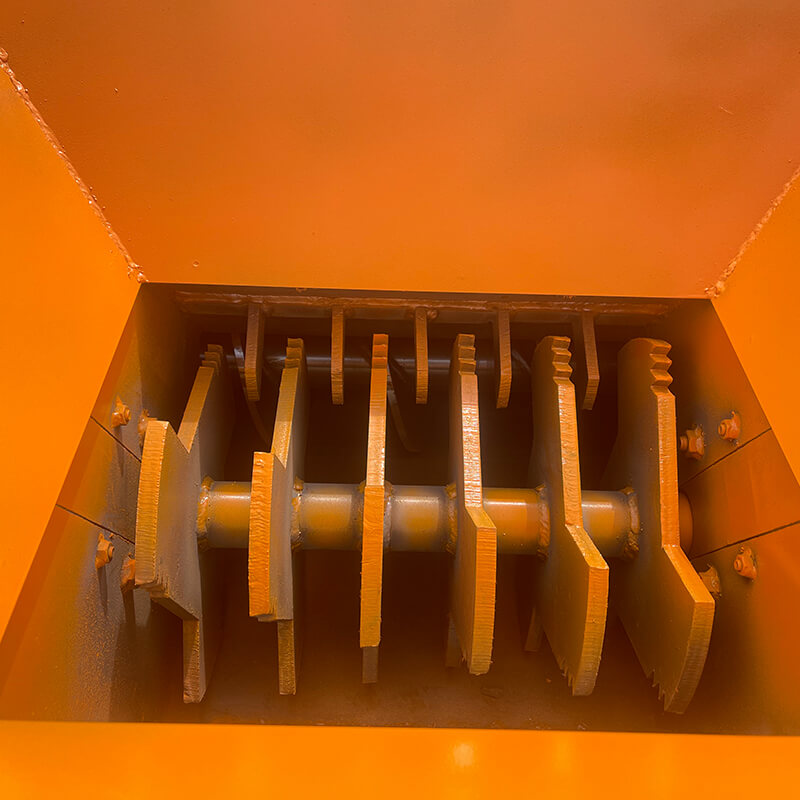
The following images provide additional visual reference for buyers comparing product structure, application value, and equipment details.


Sample Image Gallery