How to Choose the Right Plastic Recycling Pelletizer for PP, PE, HDPE, and LDPE Waste
Introduction
For recycling plant owners, plastic processors, and purchasing managers, selecting the right plastic recycling pelletizer (also known as a plastic granulator) is critical to achieving high output, consistent pellet quality, and long-term profitability. This guide covers key factors for processing PP, PE, HDPE, and LDPE waste, including machine selection, output stability, maintenance, energy efficiency, warranty, and supplier service.
Understanding Your Material and Application
Different plastics require different machine configurations. For example:
- PP (Polypropylene) and HDPE (High-Density Polyethylene) are stiffer and may need higher torque and stronger screw design.
- LDPE (Low-Density Polyethylene) and LLDPE are softer but can be sticky; a proper filtration system and venting are essential.
- Mixed waste streams demand a more robust machine with advanced filtration to handle contaminants.
Assess your input material (post-consumer, post-industrial, film, rigid, etc.) to determine the necessary screw geometry, motor power, and screen changer type.
Key Machine Selection Criteria
Output Stability and Throughput
Stable output is vital for continuous production. Look for:
- Reliable motor and gearbox with overload protection.
- Consistent feeding system (e.g., forced feeder for light materials like film).
- PLC control with PID temperature regulation to prevent melt fluctuations.
- Adequate cooling and pelletizing system (strand or underwater) for uniform pellet size.
Energy Efficiency
Energy costs are a major operational expense. Choose machines with:
- High-efficiency motors (IE3 or IE4).
- Insulated barrels to reduce heat loss.
- Variable frequency drives (VFDs) for screw speed control.
- Optimized screw design to minimize energy consumption per kilogram.
Maintenance and Durability
Downtime is costly. Prioritize:
- Easy access to screw, barrel, and screen changer for cleaning and replacement.
- Wear-resistant materials (e.g., bimetallic barrel, hardened screw).
- Integrated maintenance alerts and diagnostic systems.
- Availability of spare parts locally or within short lead times.
Supplier Service and Warranty
A reliable supplier is as important as the machine itself. Evaluate:
- Warranty terms: Typical coverage is 1-2 years; extended options may be available.
- Technical support: Remote troubleshooting, on-site commissioning, and training.
- After-sales service: Spare parts availability, service contracts, and upgrade options.
- References: Check with other recycling plants using the same supplier for similar applications.
Practical Buying Advice
- Request a test run with your actual material to verify output quality and stability.
- Compare total cost of ownership (TCO) including energy, maintenance, and spare parts.
- Ensure compliance with local electrical and safety standards.
- Consider future scalability – can the machine be upgraded for higher throughput?
Conclusion
Choosing the right plastic recycling pelletizer requires a thorough understanding of your material, desired output, and operational priorities. By focusing on output stability, energy efficiency, ease of maintenance, and strong supplier support, you can make a sound investment that delivers long-term value. Contact reputable suppliers, ask detailed questions, and always test before purchasing.
Product Image Gallery
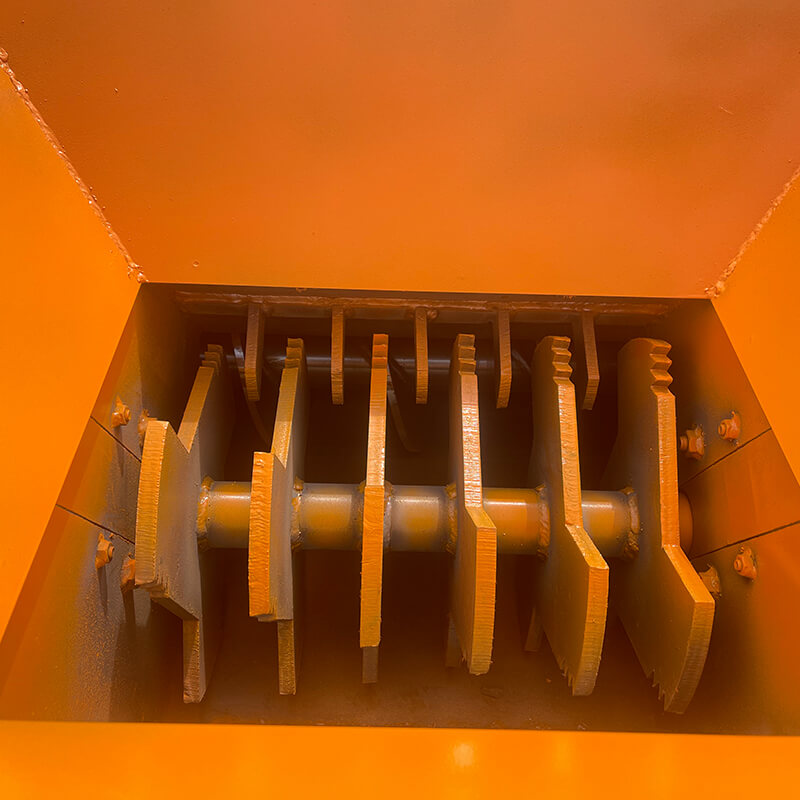
The following images provide additional visual reference for buyers comparing product structure, application value, and equipment details.


Sample Image Gallery